




From Peak Season to Peaceful Retreat
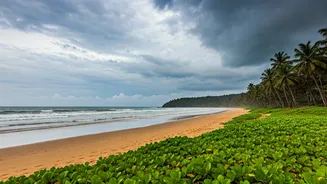
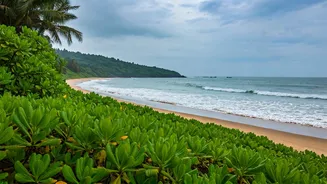
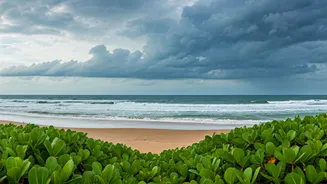
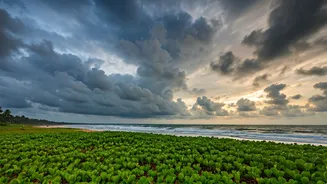
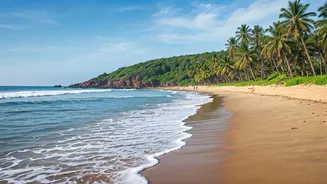
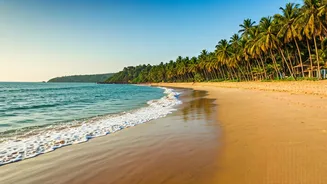
The transition from the high-energy peak tourist season to the tranquil monsoon months is dramatic. The once-packed beaches of Baga and Calangute become quiet, almost private stretches of sand, inviting long, contemplative walks. [8, 10] While swimming
is generally unsafe due to strong currents, the sight of the powerful Arabian Sea under a canopy of grey clouds is a spectacle in itself. [5, 7] The usual buzz of water sports and bustling shacks is replaced by the rhythmic sound of rainfall and the distant roar of the waves. [7] This quieter period, typically from June to September, allows for a more personal connection with the landscape, which transforms into a lush, emerald paradise. [13] It's an ideal time for travellers seeking respite from city life and a chance to see Goa's natural beauty without the crowds. [6, 10]
A Symphony for the Senses
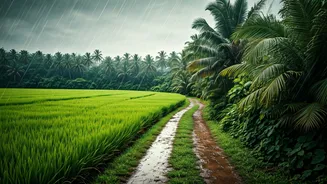
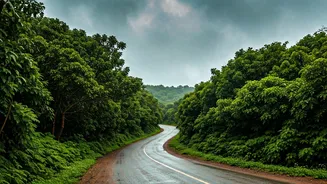
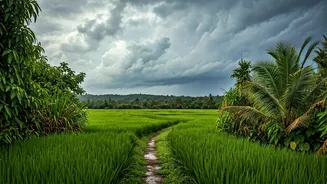
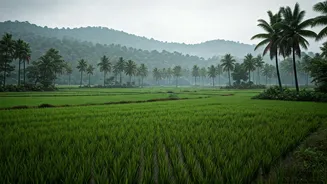
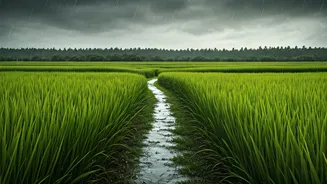
The Goan monsoon is an experience that engages all the senses. The air is thick with the earthy scent of petrichor—the smell of rain meeting dry soil. The landscape, bursting with life, offers a visual feast of vibrant greens against the dark, moody sky. [19, 20] The constant drumming of rain on terracotta-tiled roofs and the rustle of wind through palm groves create a natural soundtrack for relaxation. This season is also a time for unique local festivities, such as Sao Joao, the well-jumping festival, offering a glimpse into Goan culture that many tourists miss. [13] It’s a time to slow down, perhaps with a hot cup of chai from a local cafe, and simply watch the world get drenched in stunning shades of nature. [5]
Inland Adventures and Verdant Vistas
While the beaches take a backseat, inland Goa comes alive. The monsoon is the best time to witness waterfalls like the magnificent Dudhsagar Falls, which are at their most powerful and dramatic. [5, 6] The journey to these falls, often involving a trek through lush forests, is an adventure in itself. [1, 5] The state’s spice plantations in areas like Ponda become intensely fragrant and green, offering fascinating tours and authentic Goan meals. [14] Wildlife sanctuaries such as the Bhagwan Mahavir Wildlife Sanctuary and the Salim Ali Bird Sanctuary become havens for nature lovers, with flora and fauna thriving in the wet conditions. [4, 5] Activities like river rafting on the Mhadei River and kayaking in the calm backwaters provide a different kind of thrill, showcasing the raw beauty of Goa's hinterlands. [3, 4]
The Practical Perks of the Off-Season
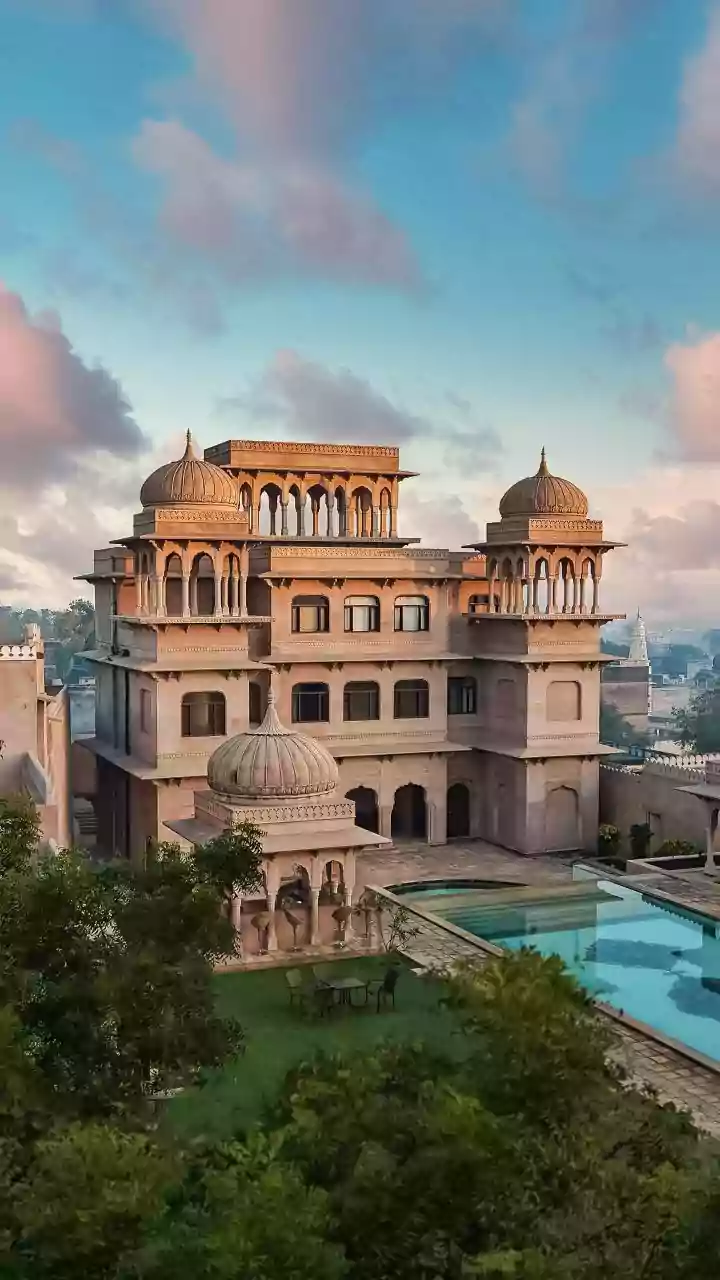
Beyond the atmospheric charm, travelling to Goa during the monsoon has significant practical advantages. Flight and accommodation prices are considerably lower than during the peak winter months, making it a budget-friendly option. [10, 11] Luxury resorts often offer attractive deals, allowing for an indulgent stay at a fraction of the usual cost. [13, 17] With fewer tourists, you can explore forts like Chapora and Aguada without the rush, enjoying misty, panoramic views in relative solitude. [3, 15] Even the roads are less congested, making a scooter ride through the green countryside a blissful experience, provided you drive carefully on the slippery roads. [8, 25] North Goa tends to have more open establishments, while South Goa offers a quieter, more secluded retreat. [16, 19]
A Culinary Journey for a Rainy Day
Goan cuisine, with its rich and spicy flavours, is perfectly suited for a rainy day. While many temporary beach shacks close down, permanent restaurants and cafes remain open, serving up comforting local delicacies. [3, 8] It’s the perfect weather to tuck into a steaming bowl of fish curry rice or a spicy vindaloo. Many eateries offer stunning views of the rain-swept sea or lush paddy fields. [14] Exploring the Latin Quarter of Fontainhas in Panjim, with its heritage homes and charming cafes, becomes an even more romantic experience in the rain. [9] This season offers a chance to savour Goan food and culture at a slower, more deliberate pace, with fewer queues and more opportunities to interact with locals. [10]