







The Big Picture: Why This Is Happening Now
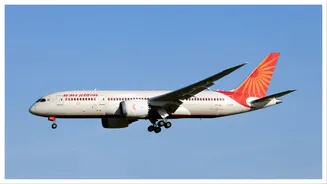
The surge in direct international routes from India is no accident. It's driven by a combination of factors that have aligned in 2026. Firstly, Indian carriers like Air India and IndiGo are in the midst of a massive fleet expansion. Air India, under Tata
Group ownership, and IndiGo, pursuing ambitious global growth, are inducting new long-haul capable aircraft. Secondly, there is a booming demand from Indian travellers for both leisure and business, along with a large diaspora eager for more convenient connections home. This has made longer routes financially viable. Airlines are responding to this by not only launching new services but also by increasing frequencies on existing popular routes. This expansion is a clear sign of India's growing ambition to become a global aviation hub, competing with traditional transit points in the Middle East.
Fresh Connections to Europe
Europe is a major focus for this expansion, with several new direct flights making the continent more accessible. Air India resumed its much-awaited non-stop service between Delhi and Rome in March 2026, operating four times a week. This move reconnects the two capitals after a nearly six-year hiatus. Similarly, SAS Scandinavian Airlines launched a new direct flight between Mumbai and Copenhagen, marking the first-ever non-stop connection between the two cities and providing a convenient gateway to the Nordic region. Swiss International Air Lines also entered the South Indian market for the first time with a new service from Bengaluru to Zurich. For those heading to the UK, IndiGo added direct flights from Delhi to London Heathrow starting in February 2026. Furthermore, Lufthansa Group announced it is increasing flight frequencies to several Indian cities, including Delhi, Chennai, Hyderabad, and Bengaluru for the summer 2026 schedule.
Reaching North America Faster
Travellers to the United States have received a significant boost in late 2026. Air India has restored non-stop services on all its flights from Delhi and Mumbai to New York (JFK) and Newark (EWR). Due to airspace restrictions earlier in the year, these flights required a technical stop in Rome for refuelling, extending the journey to around 22 hours. With the easing of these restrictions in November, the flights are now truly direct, cutting travel time by up to five hours to approximately 17 hours. This restoration enhances connectivity on the crucial India-US corridor. Air India operates its new A350 aircraft on the Delhi routes, while the Mumbai services use upgraded Boeing 777-300ERs, promising an improved passenger experience.
New Gateways in Asia and Beyond
The network expansion isn't limited to the West. In 2026, Indian carriers have also strengthened their presence across Asia and other regions. Air India launched new non-stop flights from Delhi to Hanoi and from Mumbai to Tokyo's convenient Haneda airport. IndiGo has also been active, launching a daily non-stop service from Kolkata to Shanghai and a new route from Chennai to Réunion Island, a French territory in the Indian Ocean known for its unique landscapes. In a move to boost regional connectivity, Air India Express restarted international flights from Indore with a new non-stop service to Abu Dhabi, providing better access to the UAE.