







A City Left Parched
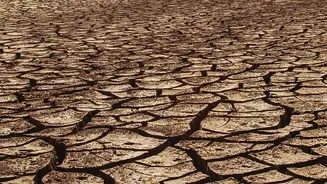
The numbers from July 2026 are startling. The India Meteorological Department (IMD) observatory in Bengaluru recorded just 23 mm of rainfall for the entire month. This is a dramatic drop from the typical July average of between 80 mm and 100 mm. The only
time July has been drier in the city's recorded history was over a century ago, in 1918, when a mere 18.5 mm of rain fell. The situation was made more acute by record-breaking heat, with July 14, 2026, marking the hottest July day in 112 years at 33.6°C. This one-two punch of extreme heat and scant rain left the city's green spaces thirsty and its residents concerned, especially after a strong start to the season with healthy pre-monsoon showers had initially raised hopes.
The Myth of One Monsoon
Every year, the IMD issues forecasts for the southwest monsoon, often summarized with a single number representing the expected rainfall for the country as a whole against a Long Period Average (LPA). While this national figure is crucial for macroeconomic planning, it often conceals vast and increasingly volatile regional differences. A 'normal' or even 'above-normal' national forecast can be misleading when one region, like parts of Gujarat, experiences floods while another, such as South Interior Karnataka, faces a drought-like situation. Experts have long argued that judging the monsoon by a single national average is problematic. The reality is a collection of complex, regional weather patterns. What happens in the skies over Mumbai is driven by different immediate factors than what brings rain to Chennai or, in this case, fails to bring it to Bengaluru.
What Grounded the Clouds?
So, what went wrong for Bengaluru in July? Meteorologists point to a weak monsoon trough and the absence of strong, rain-bearing systems moving into the South Interior Karnataka region. While an offshore trough along the west coast brought some rain to coastal and Malnad regions of Karnataka, its influence barely reached Bengaluru, providing only a brief and light spell toward the end of the month. This regional deficit wasn't a complete surprise. The broader outlook for the 2026 monsoon was already complicated by the presence of El Niño conditions, which typically suppress monsoon rainfall in India. The result for South Interior Karnataka was a significant rainfall shortfall that left the entire region, including its largest city, exceptionally dry during a peak monsoon month.
The Ripple Effect on the Ground
For the millions living in Bengaluru, a failed monsoon month is more than just a meteorological statistic. It has tangible consequences. The city, which faced a severe water crisis as recently as 2024, is heavily reliant on Cauvery River water and groundwater, both of which are replenished by monsoon rains. In response to the dry spell and memories of the previous crisis, the Bangalore Water Supply and Sewerage Board (BWSSB) has already reintroduced restrictions, banning the use of drinking water for non-essential tasks like washing cars and gardening. While officials have assured the public that current reservoir levels can supply the city for the next few months, this buffer depends entirely on rains arriving in August and September. A prolonged dry spell could place immense pressure on the city's water infrastructure and force a return to the expensive and unreliable private water tanker market that many had to depend on in the past.