




Why Humid Runs Hit Different
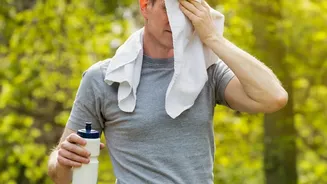
Running in high humidity is uniquely challenging. When the air is already saturated with moisture, your sweat has nowhere to go. Evaporation is your body's primary cooling mechanism, and when it fails, your core temperature rises faster. To compensate,
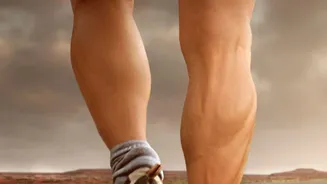
your body works overtime, pushing more blood to the skin to try and cool down, which means less oxygenated blood is available for your hard-working muscles. This leads to a higher heart rate, greater cardiovascular strain, and a feeling that every kilometre is harder than usual. This extra stress can intensify the microscopic muscle damage that occurs during exercise, leading to what is known as Delayed Onset Muscle Soreness (DOMS)—that familiar ache that peaks a day or two after your run.
The Hot-and-Cold Plunge Explained
Enter the contrast shower, a simple form of hydrotherapy that involves alternating between hot and cold water. Used by athletes and physical therapists for centuries, the technique is surprisingly straightforward and requires no special equipment. The core principle is to deliberately expose your body to rapid temperature changes to stimulate physiological responses that can accelerate recovery. It's an accessible wellness tool that can be easily integrated into your post-run routine, turning your daily shower into a powerful recovery session.
The Science Behind the Shock
The magic of contrast showers lies in how your circulatory system reacts to temperature changes. The hot water causes vasodilation, where your blood vessels widen, increasing blood flow to the muscles and skin. This helps relax tight muscles. Conversely, the cold water causes vasoconstriction, making your blood vessels narrow. This process can help reduce inflammation and swelling. Alternating between the two creates a “pumping” action in your circulatory system. This enhanced circulation is thought to help flush out metabolic byproducts associated with intense exercise and deliver more oxygen and nutrients to your muscle tissues, aiding the repair process. It's important to note that while many people blame lactic acid for post-workout soreness, studies show it's actually cleared from the muscles relatively quickly and isn't the cause of DOMS. The soreness is primarily due to micro-tears in the muscle fibres and the resulting inflammation, which contrast showers are well-suited to address.
Your Secret Weapon in the Tropics
For runners in humid climates, this therapy offers a specific advantage. After a run where your body struggled to cool itself externally through sweating, a contrast shower helps manage the internal fallout. The increased stress from running in the heat and humidity can lead to greater inflammation. The cold phase of the shower directly counteracts this by constricting blood vessels, which helps to mitigate swelling and soreness. Furthermore, bringing your core temperature down after a hot run is crucial for recovery. The cold cycles in a contrast shower provide an effective and immediate way to help your body cool down from the inside out, reducing overall physiological stress and helping you feel refreshed and less fatigued.
A Step-by-Step Guide to Contrast Showers
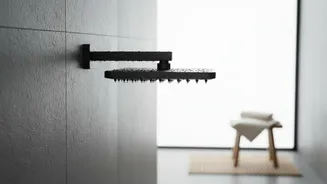
Ready to give it a try? The process is simple. You can start this routine within a few hours of your workout for the best results. Start with a normal shower to clean off, then begin the cycle: 1. Hot Phase (3 minutes): Turn the water to a comfortably hot temperature. Let it run over your legs and any other sore areas. The goal is to feel the heat relaxing your muscles, not to scald yourself. 2. Cold Phase (30-60 seconds): Now for the brave part. Switch the water to cold. It will be a shock, but try to withstand it for at least 30 seconds. Focus on your breathing. You can start with cool water and gradually make it colder as you adapt over time. 3. Repeat: Alternate between hot and cold for 3 to 5 cycles. 4. Finish Cold: Always end your final cycle on cold. This helps to maximize the anti-inflammatory benefits and leaves you feeling invigorated. A final cold blast helps continue the process of reducing inflammation as you step out of the shower.