





The Masterplan from the Dugout
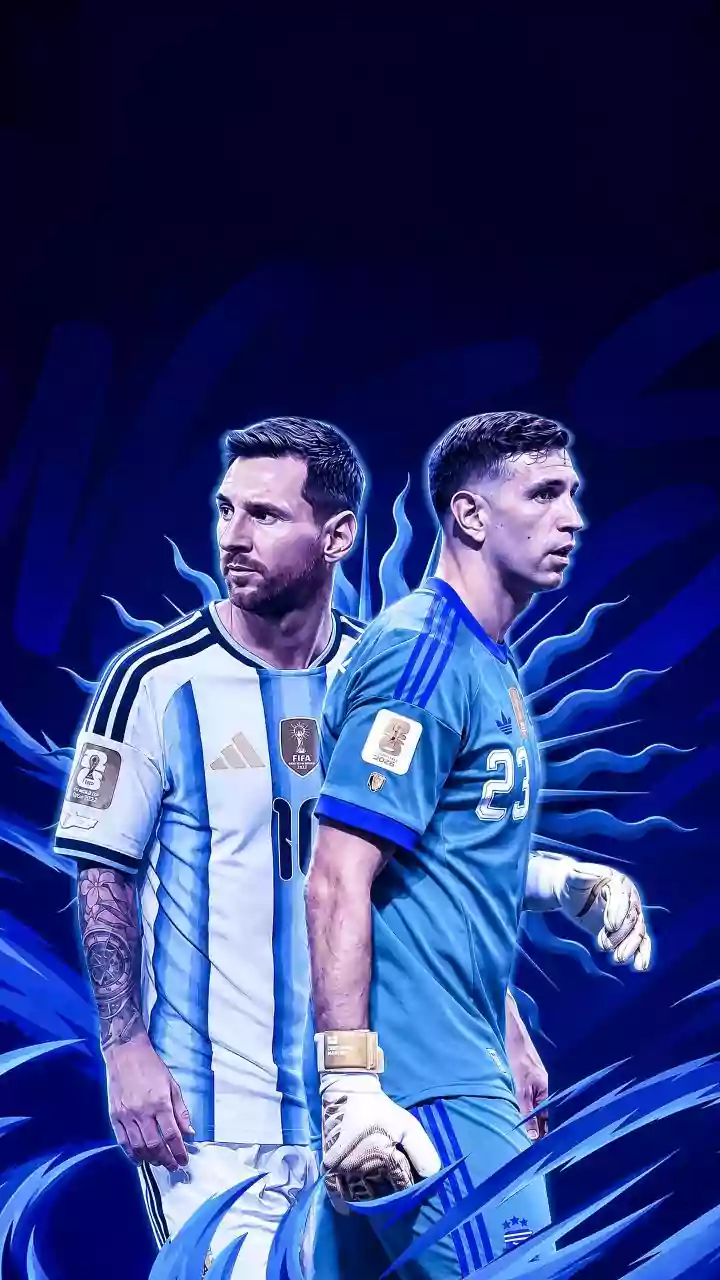
Luis de la la Fuente and his staff knew that trying to stop Lionel Messi with a single player was a fool's errand. The Argentine maestro, even at 39, had spent the tournament bending games to his will by conserving energy and then striking with devastating
precision. The Spanish blueprint, therefore, was not about man-marking Messi out of the game. Instead, it was about controlling the entire ecosystem around him. The philosophy was simple but profound: if Messi cannot receive the ball in dangerous areas, his genius is rendered theoretical. Spain's strategy was built on suffocating ball retention and aggressive counter-pressing, a system honed to perfection over an unbeaten tournament run. They aimed to dominate possession so thoroughly that Messi would be forced to drop deeper and deeper into his own half just to get a touch, effectively removing him from the attacking third where he is most lethal.
Rodri: The Midfield Anchor
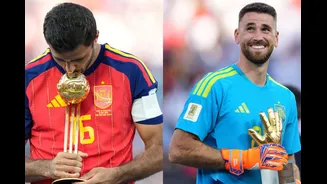
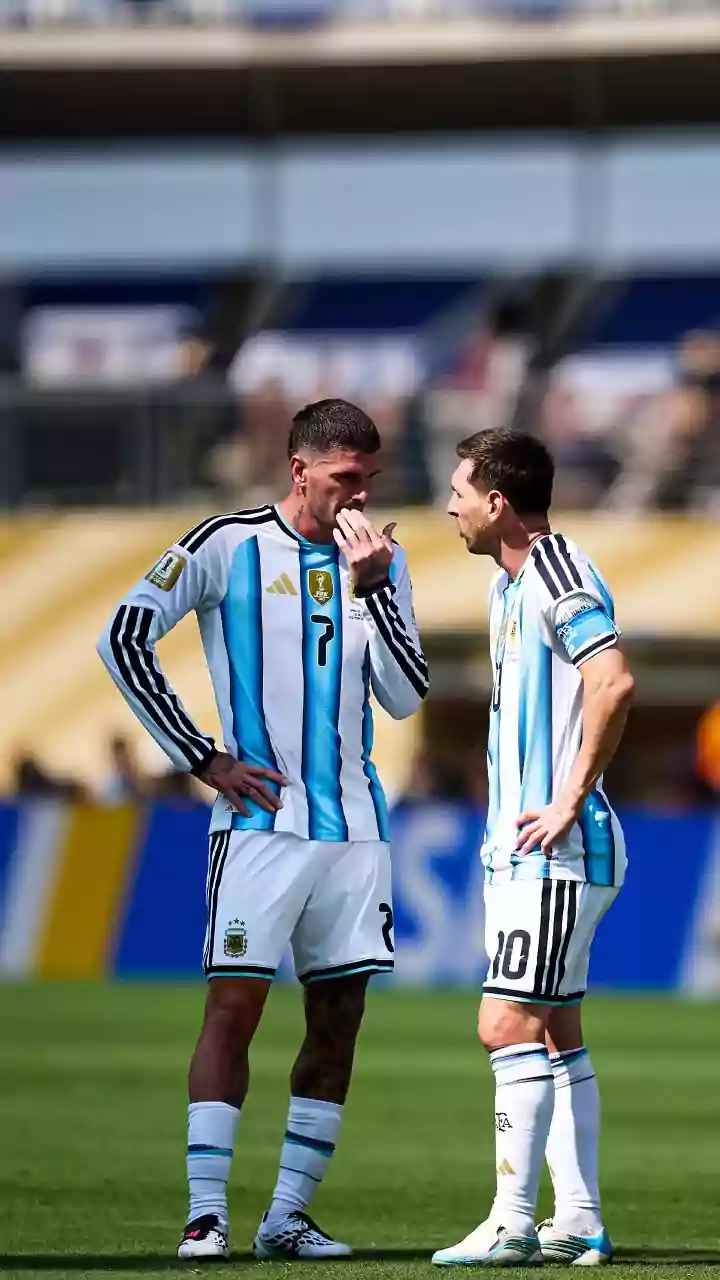
At the heart of this plan was Rodri. The Manchester City midfielder, who was later named the tournament's Golden Ball winner, put on a defensive clinic that was both subtle and dominant. His job was not to follow Messi everywhere, which would have dragged him out of position and created gaps for others to exploit. Instead, Rodri commanded the central channel, the very space Messi loves to occupy. He acted as a screen, an intelligent barrier that constantly blocked passing lanes from players like Enzo Fernández and Alexis Mac Allister. By staying positionally disciplined, Rodri ensured that the supply lines to Messi were severed at the source. His incredible ability to read the game, intercept passes, and use his physicality to shield the ball meant Argentina's midfield simply couldn't find their talisman in the final third. It was a masterclass in control, starving the beast of the ball.
A Swarm of Red Shirts
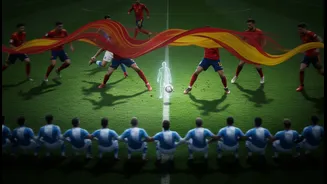
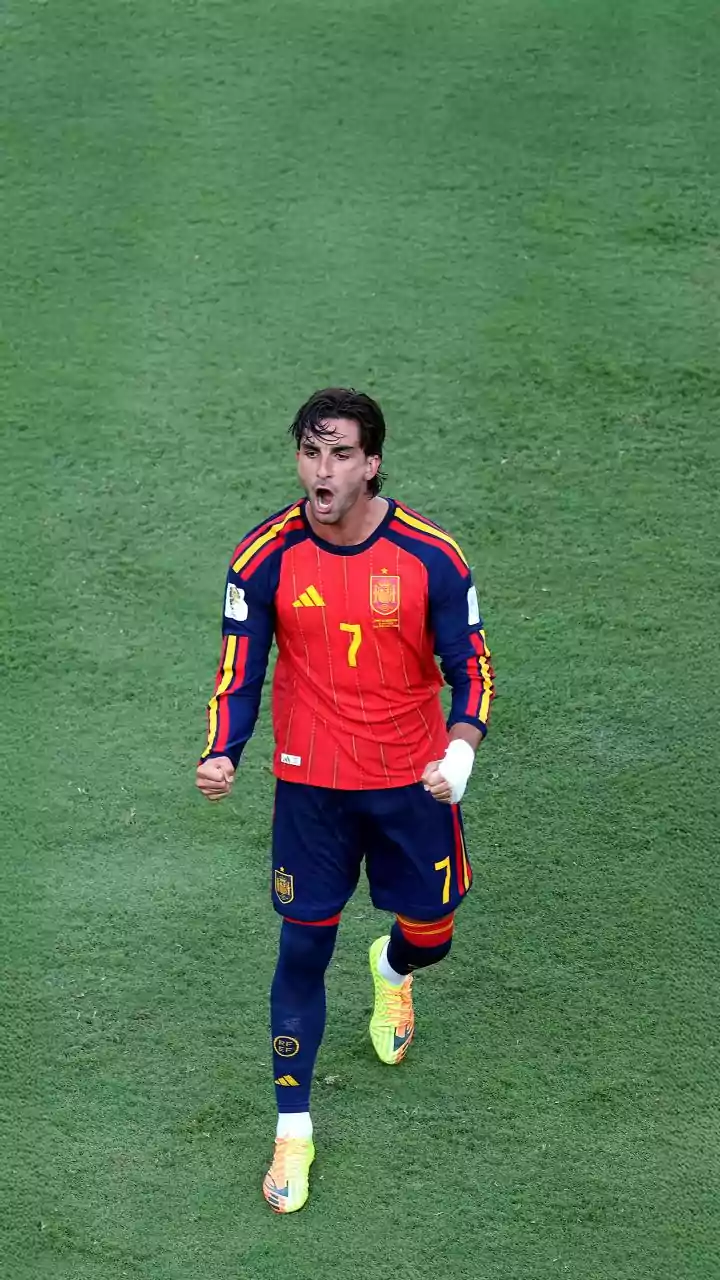
When Messi did manage to find possession, Spain’s collective defensive system clicked into gear. Rather than one player engaging him, a swarm of red shirts would methodically close in. This was not chaotic pressing; it was a highly coordinated zonal hand-off. The nearest player would apply pressure, while two or three others would move to cut off his passing options and escape routes. This forced Messi to either attempt a high-risk dribble against multiple opponents or pass backwards, resetting the Argentine attack. Spain’s backline, marshalled by the remarkably composed 19-year-old Pau Cubarsí, held a high and compact line, minimising the space between midfield and defence. This denied Messi the pockets of space he so expertly finds. The key was communication and trust, passing the responsibility of tracking him from zone to zone without any single defender being pulled out of shape.
Forcing Him Wide and Wrong
A crucial, granular detail of Spain's plan involved dictating where Messi could go. The defenders consistently angled their bodies to show him towards the touchline, away from the centre of the pitch. They were willing to concede a run down the channel but were fanatical about preventing him from cutting inside onto his magical left foot. By forcing him onto his weaker right foot and into crowded areas, they neutralised his most predictable yet unstoppable move. Furthermore, Spain employed the art of the tactical foul with intelligence. They were not afraid to commit fouls high up the pitch to break Argentina's rhythm and prevent Messi from building momentum. These were not cynical, card-worthy challenges near their own box, but professional interruptions that reset the play and allowed Spain’s defensive shape to reform. It was another layer in a multi-faceted plan designed to make the final a deeply inconvenient and frustrating affair for the Argentinian captain.