

More Than Just Six Yards
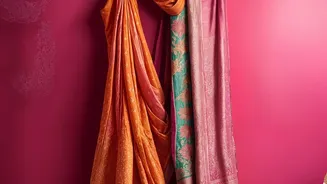
A classic silk saree is never just a piece of fabric; it's a repository of memories and a symbol of heritage. These are garments that have witnessed life's most important milestones, from weddings to religious ceremonies. For many young Indians, a mother's
or grandmother's saree is a tangible link to their family's history and traditions. There is an undeniable emotional pull to these heirlooms, with each intricate weave and motif holding a story. This sentimental value is a primary driver behind the trend. Wearing a repurposed family saree isn't just a fashion statement—it’s an act of honouring the women who came before, carrying their blessings and legacy forward in a deeply personal way.
A Conscious Stand Against Waste
The festive season in India often comes with immense pressure to purchase new, dazzling outfits for each occasion. This cycle contributes significantly to textile waste, a growing environmental concern. Upcycling offers a powerful antidote. By giving an old saree a new life, today's youth are making a conscious choice to embrace sustainable fashion. It's a practical way to reduce consumption and minimise one's carbon footprint. This move aligns with a broader shift in mindset, where sustainability is no longer a niche concept but an aspirational lifestyle choice. Repurposing a high-quality, durable silk saree is a direct rejection of the throwaway culture of fast fashion, promoting a more mindful and responsible approach to festive dressing.
From Heirloom to High Fashion
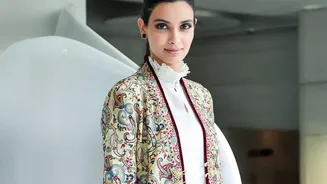
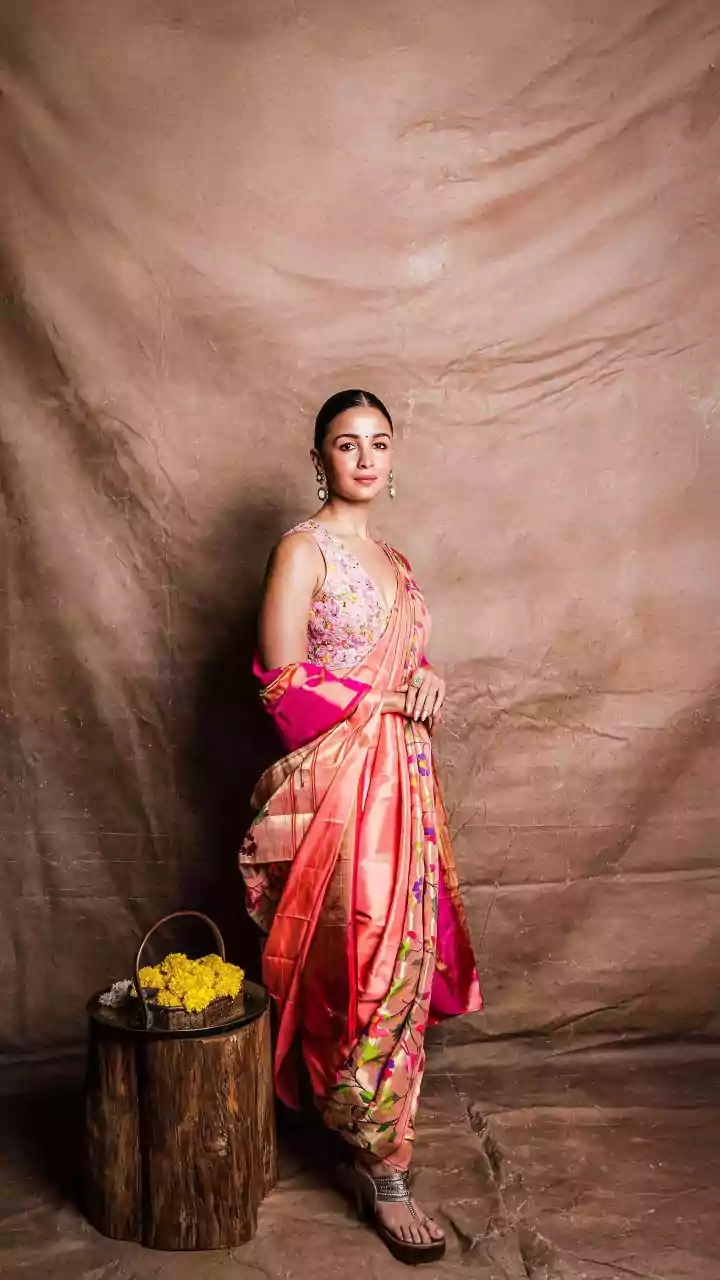
The creativity involved in repurposing sarees is boundless. A single six- or nine-yard drape can be transformed into a stunning array of modern silhouettes. Heavy silk sarees like Banarasi or Kanjeevaram are perfect for creating structured lehengas, anarkalis, or elegant gowns. Lighter silks and georgettes can be fashioned into flowing kaftans, chic co-ord sets, stylish jackets, or jumpsuits. The rich borders and pallus are often cleverly used to detail necklines, cuffs, or the flare of a skirt, ensuring the original essence of the saree shines through. This is where tradition meets contemporary design, resulting in one-of-a-kind outfits that are both festive and deeply personal.
Redefining Tradition for a New Era
For some, the idea of cutting up a treasured saree might seem radical, but for the younger generation, it's about evolution, not erasure. They are not discarding tradition but reinterpreting it to fit their modern lives and aesthetics. Many young people find the classic drape of a saree beautiful but sometimes impractical for the dynamic nature of modern festivities. By transforming it into a sharara set, a chic dress, or a tailored kurta, they make the garment more wearable and versatile while preserving its cultural soul. This act of creative reinvention is a way of keeping heritage alive and relevant, proving that tradition doesn't have to be static. It can be adapted, personalised, and celebrated in new and exciting forms.
The Artisans Behind the Transformation
This trend has also shone a spotlight on the incredible skill of local artisans, tailors, and a growing number of sustainable fashion designers. Labels and boutiques across India now specialize in upcycling, helping people envision and create new garments from old textiles. These designers and craftspeople act as creative partners, understanding both the emotional significance of the heirloom fabric and the client's desire for a contemporary look. They carefully handle the delicate, often decades-old material, ensuring the final piece is not only beautiful but also durable. This movement supports local craftsmanship and fosters a circular economy where old materials are given new value.