







A Comeback Spiced by Concern
While Kadha never truly left, its recent return to prominence is undeniable. In the last few years, a collective shift towards preventive wellness and natural immunity-boosting solutions has brought this ancient Ayurvedic decoction back into the mainstream.
The global health crisis acted as a catalyst, prompting millions to look inward, not to pharmacies, but to their own spice cabinets for reassurance. The trend hasn't faded; instead, it has cemented Kadha’s place as a staple of daily wellness, moving it from a seasonal remedy to a year-round habit for many families seeking comfort and health in a cup.
What Exactly Is Kadha?
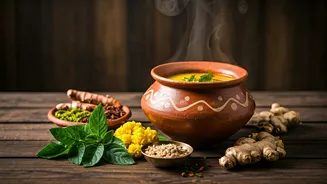
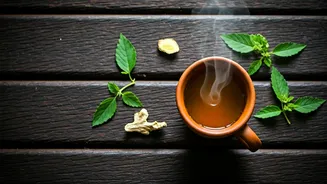
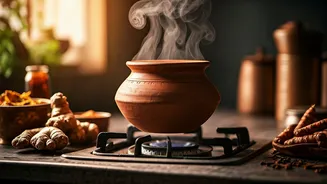
For the uninitiated, 'Kadha' (or 'kashayam' in some parts of India) is not a single, fixed recipe. It's a traditional Ayurvedic method of preparing a medicinal tea or decoction by simmering various herbs and spices in water. This process helps extract the beneficial compounds from the ingredients, creating a potent, aromatic drink. The beauty of Kadha lies in its adaptability; recipes vary from household to household and can be adjusted based on the season, the ailment, or simply the ingredients on hand. It represents a form of intuitive, home-based healthcare passed down through generations.
The Powerhouse Ingredients
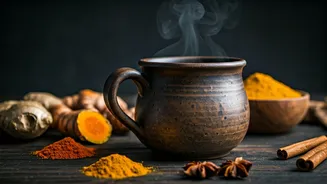
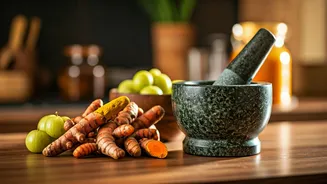
The symphony of flavours in a Kadha comes from a blend of powerful ingredients, each with a role to play according to Ayurvedic tradition. Common stars of the show include:
- **Tulsi (Holy Basil):** Revered in Ayurveda for its properties that support respiratory health.
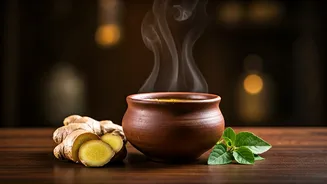
- **Adrak (Ginger):** Known for its anti-inflammatory effects and ability to soothe a sore throat.
- **Kali Mirch (Black Pepper):** Often used to improve the bioavailability of other ingredients, like turmeric, and to relieve congestion.
- **Dalchini (Cinnamon):** Prized for its antioxidant properties and warming nature.
- **Laung (Cloves):** A natural antiseptic that can help numb throat pain.
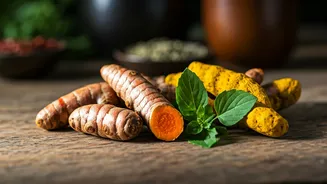
Other popular additions include turmeric (haldi), cardamom (elaichi), and raw honey (added after the decoction has cooled slightly to preserve its benefits). Each ingredient contributes to the drink's overall goal: to support the body's natural defence mechanisms.
More Than Just a Health Drink
The revival of Kadha is about more than just physical health; it's steeped in nostalgia and cultural identity. For many, the aroma alone evokes comforting memories of being cared for by a parent or grandparent. Preparing and sharing Kadha is an act of love, a tangible way to look after one's family. In a world of fast-paced living and quick-fix solutions, the slow, deliberate process of brewing Kadha is a grounding ritual. It connects us to ancient wisdom and reminds us of the simple, powerful remedies that have sustained our communities for centuries.
A Word of Moderation
As with any potent remedy, balance is key. Health experts and Ayurvedic practitioners caution against overconsumption. Many of the spices used in Kadha are 'heaty' in nature and, if taken in excess, can lead to issues like acidity, indigestion, or nosebleeds, especially during warmer months. The key is to listen to your body. A small cup once a day or a few times a week is generally considered sufficient for most people. It's a supportive measure, not a magic cure-all, and should complement a balanced lifestyle rather than replace medical advice.