
Beyond the Tourist Trail
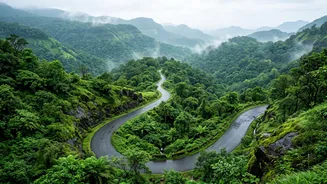
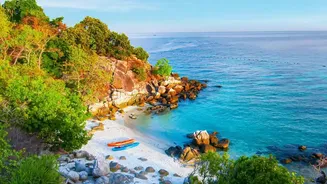
The Konkan coast, a verdant stretch between the Western Ghats and the Arabian Sea, has long been a beloved getaway. Yet, beyond the popular towns lies a quieter, more profound experience. A growing movement of eco-tourism and agritourism invites travellers
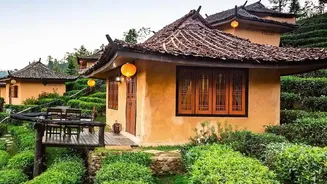
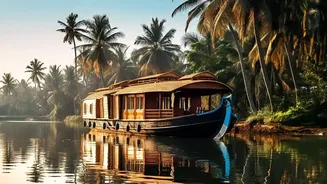
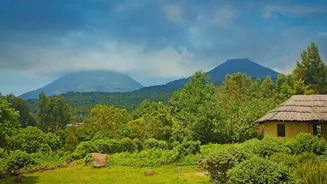
not just to see the Konkan, but to live it. These are not typical resorts. Instead, family-run homestays and farm stays offer a window into a world ordered by seasons and tides, not tourist timetables. The philosophy is simple: for tourism to be sustainable, the authentic lifestyle of the local people must be the main attraction. This means swapping air-conditioned suites for traditional cottages built with laterite stone and trading buffet lines for meals cooked with ingredients harvested just steps away.
A Taste of Slow Living
A day in a Konkan eco-village is a lesson in mindfulness. It might begin with a walk through a cashew or mango orchard, learning to identify ripe fruit by its scent and feel. Travellers can participate in the daily rhythms of farm life, from helping transplant paddy in the monsoon to watching a skilled tapper scale a coconut palm. This hands-on approach is transformative, especially for those disconnected from the origins of their food. The experience extends to the kitchen, where guests can learn the secrets of coastal cuisine, from pounding spices for a Malvani curry to scraping coconut on a traditional 'agadhi'. Meals are often served in earthen pots and on leaf plates, a simple practice that deepens the connection to the natural surroundings.
Sustainability in Practice
The 'eco' in these villages is more than a buzzword; it's a way of life rooted in generations of wisdom. Many properties are designed to blend with the landscape, using local materials and traditional architecture that offers natural cooling. Projects like Raan in Guhagar operate on a mission of 'conservation through livelihoods', running on solar power, composting all organic waste, and avoiding single-use plastics. This model ensures that tourism provides a dignified income, giving the community a powerful reason to preserve the land and their traditions. By choosing these stays, travellers directly support a local economy that values ecological balance over commercial expansion.
Culture at its Source
This immersive model offers a cultural education that no museum can provide. It's found in conversations with hosts about the history of their ancestral homes, in guided walks through spice gardens where every plant has a culinary or medicinal use, and in understanding the communal effort behind traditional fishing practices. Some destinations offer unique conservation experiences, like in Velas, where visitors can witness the community's efforts to protect Olive Ridley turtle hatchlings. This is culture not as a performance for tourists, but as the living, breathing fabric of a community that travellers are invited to become a part of, even for just a few days.
The Real Reward of the Journey
The shift from being a consumer to a participant is what makes a trip to a Konkan eco-village so memorable. It’s about the simple joy of swimming in a natural pond, stargazing in a light-pollution-free sky, or simply sharing stories with a host family. This form of travel creates a reciprocal relationship. Travellers leave with a deeper understanding of sustainability and a connection to the place, while their presence helps validate and financially support the preservation of a precious way of life. It’s a journey that challenges the notion of a typical holiday and replaces it with something far more enriching: a genuine human connection.