


A New Space Age Unfolds
The year 2020 marked a turning point for India's space ambitions. The government established the Indian National Space Promotion and Authorisation Centre (IN-SPACe), a regulatory body designed to enable and encourage private companies to participate in space activities.
This policy shift was not about reducing ISRO's role, but about expanding the entire ecosystem. The goal is to grow India's share of the global space market from around 2-3% to a projected $44 billion by 2033. This rapid expansion requires a workforce far larger than what the government alone can employ, creating a massive opportunity for young talent across the country. As of 2026, over 400 private space startups are registered, signaling a dramatic increase in investment, innovation, and, most importantly, jobs.
The Startups Leading the Charge
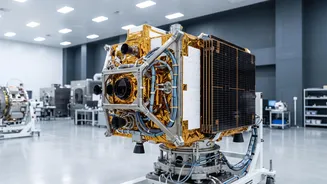
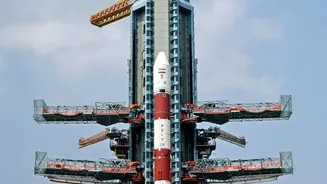
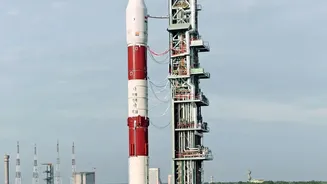
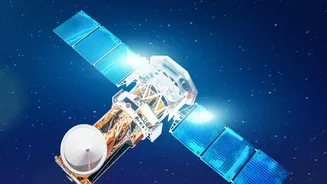
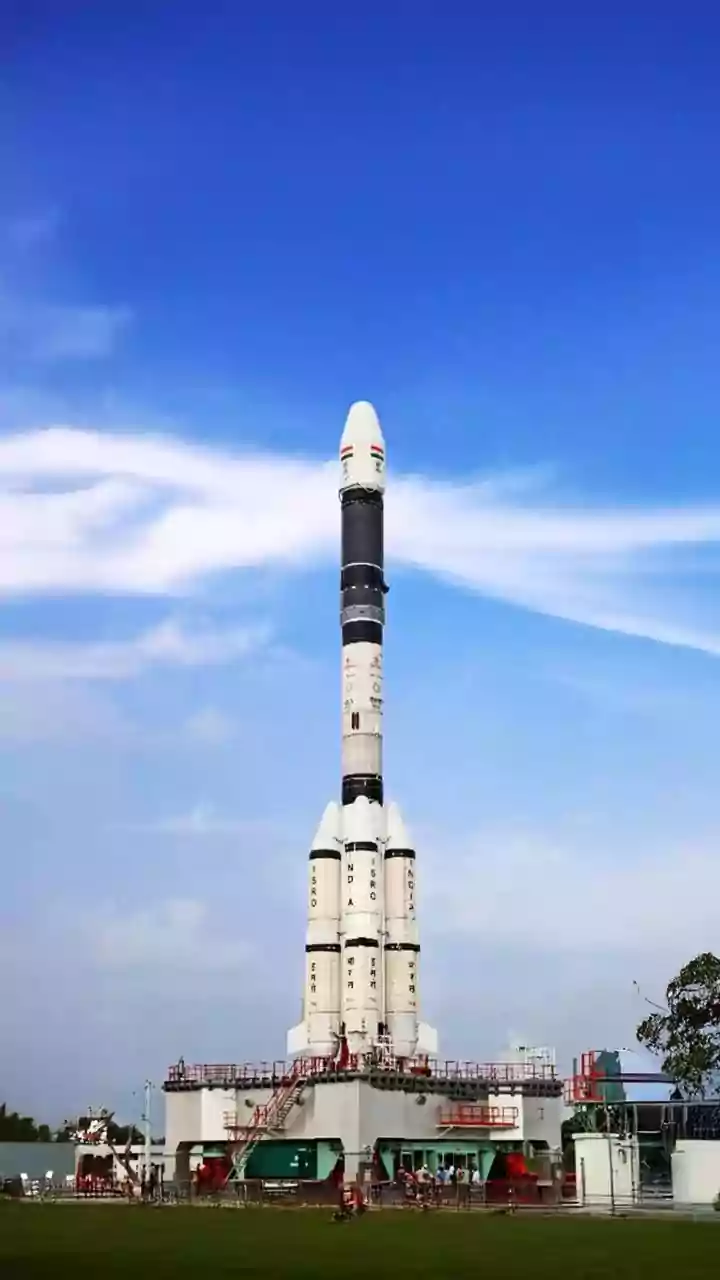
This new wave of growth is being led by a dynamic group of startups, many founded by former ISRO engineers. Companies like Hyderabad-based Skyroot Aerospace, which became the first Indian private company to launch a rocket in 2022, and Chennai-based Agnikul Cosmos, which successfully tested the world's first rocket with a fully 3D-printed engine, are at the forefront of building launch vehicles. In the satellite domain, Bengaluru's Pixxel is building a constellation of hyperspectral imaging satellites with global clients, while Dhruva Space focuses on satellite platforms and deployment. Other key players include Bellatrix Aerospace (spacecraft propulsion) and SatSure (satellite data analytics), each hiring aggressively and creating a competitive job market.
The Roles in High Demand
The dream of a space career is no longer limited to being an astronaut or a rocket scientist. The private sector's needs are broad and diverse. The most sought-after technical roles include aerospace, propulsion, and avionics engineers who design and build the hardware. Guidance, Navigation, and Control (GNC) engineers are critical for ensuring rockets and satellites go where they're supposed to. As software becomes central to space missions, aerospace software engineers with skills in C++, Python, and embedded systems are in high demand for flight control and mission planning. Furthermore, the explosion of data from Earth observation satellites has created a booming field for satellite data analysts and remote sensing experts who can interpret this information for sectors like agriculture, climate science, and disaster management.
Skills to Launch Your Career
To enter this exciting field, a strong academic foundation is key. A B.Tech in Aerospace, Mechanical, Electrical, or Computer Science Engineering provides the most common entry point. Strong fundamentals in physics and mathematics are non-negotiable. Beyond degrees, specific technical skills are crucial. Proficiency in programming languages like Python and MATLAB, and experience with CAD software for design are highly valued. For software-focused roles, expertise in C++ and real-time operating systems is a major advantage. However, technical skills are only part of the equation. These fast-paced startups prize problem-solving abilities, teamwork, and strong communication skills. Practical experience through internships, university space clubs, or robotics projects can significantly boost a candidate's profile.
Beyond Engineering: A Galaxy of Opportunity
The space ecosystem's growth isn't just creating jobs for engineers. As these startups mature into full-fledged businesses, they need professionals in a variety of functions. There is a growing need for individuals in business development, marketing, and communications to help these companies find customers and tell their stories. The complex legal and regulatory landscape of space is creating opportunities for lawyers specialising in space law and policy. Finance and accounting professionals are also needed to manage investments and day-to-day operations. This means that students from management, law, and social science backgrounds who develop domain knowledge now have a clear path into a sector that was once seen as purely technical.