

What Are Friselle?
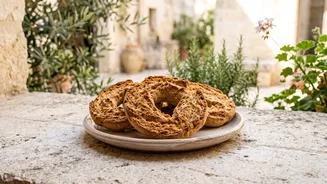
At first glance, a frisella (the singular form of friselle) might look like a hard, rustic, bagel-shaped rusk. Originating from the southern regions of Italy, particularly Puglia in the 'heel' of the boot, but also found in Campania and Calabria, these
bread rings are a cornerstone of 'cucina povera', or peasant cooking. They are made from simple ingredients like durum wheat or barley flour, water, yeast, and salt. What makes them unique is not just their ring shape, which was historically useful for sailors to thread onto ropes for easy transport, but their incredibly hard, dry texture. This is no accident; it’s the very secret to their longevity.
The Double-Bake Secret
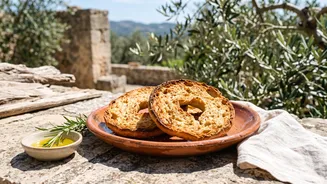
The magic of friselle lies in their preparation, specifically a process called 'biscottatura', which means twice-baked. The dough is first shaped into rings and baked until partially cooked. Then, while still warm, the rings are split horizontally and baked a second time at a lower temperature for a much longer period. This second bake draws out nearly all moisture from the bread, making it bone-dry and resistant to mould. Properly stored in an airtight container away from light and humidity, friselle can last for many months, with some bakers claiming they are good for up to a year. This made them the ideal food for fishermen on long voyages and farmers in the fields, long before refrigeration existed.
A Taste of History
Friselle are more than just a pantry staple; they are edible history. Their lineage can be traced back to ancient times, with similar twice-baked breads serving as provisions for Roman sailors. They were known as the 'bread of the Crusaders' for their durability on long journeys. Traditionally, barley flour friselle were the food of the poor, while those made with more expensive durum wheat were reserved for special occasions. Today, the hearty, nutty flavour of barley friselle is highly prized. This humble bread, born of necessity, has evolved into a beloved symbol of Southern Italy’s culinary identity, celebrated for its simplicity and connection to the land and sea.
How to Prepare Friselle
Biting into a dry frisella is not recommended; it’s jaw-breakingly hard. The essential step to enjoying them is the 'sponzatura', or wetting. This ritual involves a quick dip in a bowl of cold water for a few seconds—just long enough to soften the interior without it becoming mushy. Some traditions even recall fishermen dipping them directly into clean seawater. The goal is a delightful contrast in textures: a base that is still slightly firm and crunchy around the edges but tender enough on its rough, porous top surface to absorb toppings and flavour. Getting this balance right is key to the frisella experience.
Classic Toppings and Variations
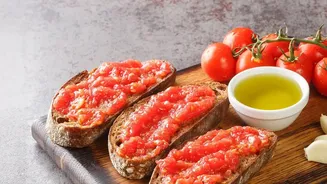
Once softened, the frisella becomes a perfect canvas for fresh ingredients. The most classic and beloved topping is a simple mix of chopped ripe cherry tomatoes, a generous drizzle of high-quality extra virgin olive oil, a sprinkle of sea salt, and a pinch of dried oregano. The porous bread soaks up the oil and tomato juices, creating a dish that is incredibly flavourful. But the possibilities are nearly endless. Other popular toppings include garlic rubbed on the bread before wetting, fresh basil, mozzarella, anchovies, tuna, or bean salads. Whether served as a light lunch, a quick snack, or an appetiser, the frisella offers a fresh and satisfying taste of the Mediterranean summer.