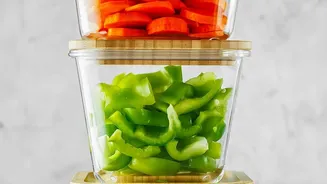




Understanding the Enemy: Humidity
Humidity refers to the amount of water vapour in the air. In many parts of India, especially during the monsoon, humidity levels can soar to 80-90%. This moisture-rich air is a paradise for microorganisms. Bacteria, yeasts, and particularly moulds, thrive
in damp conditions, causing food to spoil rapidly. Beyond promoting microbial growth, humidity also affects the physical properties of our food. It can make crispy snacks like chips and bhujia lose their crunch, cause spices and sugar to clump into hard blocks, and accelerate the ripening and eventual decay of fruits and vegetables.
Protect Your Pantry Staples: Grains, Dals, and Flours
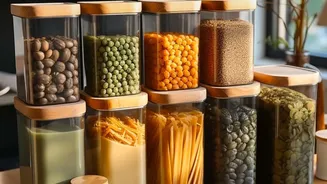
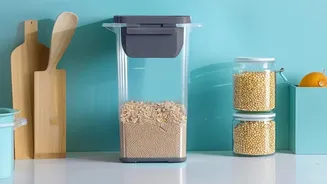
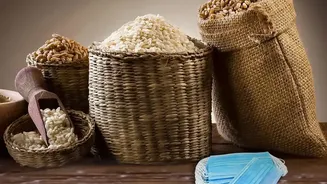
Grains and pulses are the backbone of the Indian diet, but they are highly susceptible to humidity. Moisture absorbed from the air can lead to mould, a musty smell in rice, and can cause insects like weevils to multiply much faster. The single most important step is to transfer all grains, dals, and flours from their store-bought bags into completely dry, airtight containers immediately after purchase. Glass or good-quality stainless steel jars are preferable as they are less porous than plastic. For added protection, many Indian households swear by adding a few dried bay leaves or neem leaves to rice and dal containers; their natural properties help repel pests. Lightly roasting dals and semolina (suji) before storing can also drive out excess moisture and extend their shelf life.
Keep Spices Potent and Powders Dry
Humidity is the arch-nemesis of a well-stocked masala dabba. Many ground spices are 'hygroscopic,' meaning they naturally absorb moisture from the air, which causes them to cake into hard lumps. This not only makes them difficult to use but also degrades their flavour and aroma. The solution is to store spices in small, airtight glass jars away from any source of steam or heat, like the stove or sink. Avoid sprinkling spices directly from the jar into a steaming pot, as the rising steam can introduce moisture into the container. Instead, use a dry spoon. For salt shakers and spice jars prone to clumping, adding a few grains of uncooked rice is a classic trick to absorb internal moisture.
Save the Snacks: Biscuits, Namkeen, and Papads
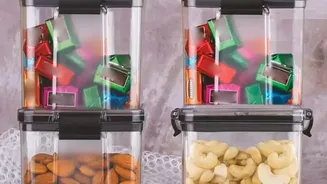
There is little as disappointing as reaching for a crunchy snack only to find it has gone soft and chewy. Biscuits, namkeen, chips, and papads have a very low moisture content, which makes them eager to absorb any humidity from the atmosphere. For these items, airtight containers are non-negotiable. Ensure the lid has a tight seal. Adding a few sugar cubes to the bottom of a biscuit tin is a traditional method to help absorb stray moisture and keep the contents crisp. For items you won't consume quickly, consider storing them in the refrigerator, which offers a less humid environment.
General Kitchen Strategies to Combat Dampness
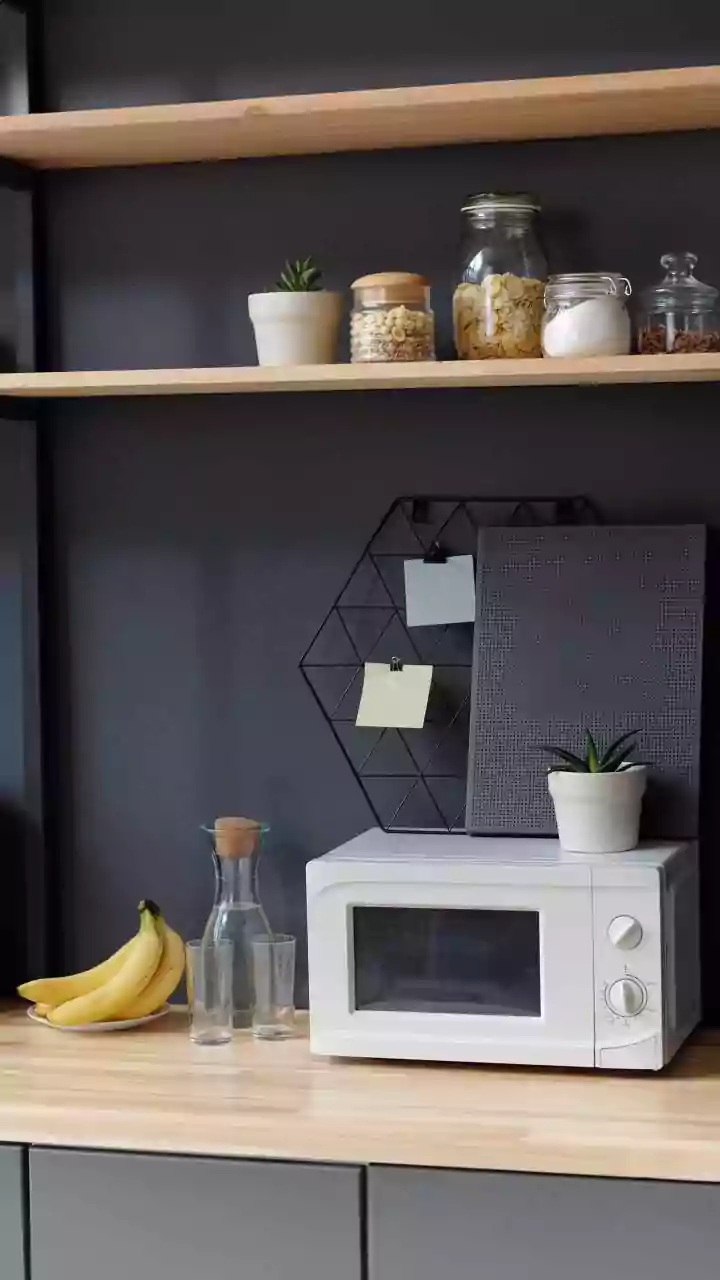
Controlling the overall environment of your kitchen and pantry is key. Ensure good ventilation by using an exhaust fan while cooking to pull steam out of the room. Storing food containers on shelves rather than directly on the floor can also help, as moisture levels are often higher near the ground. For particularly damp cupboards, you can place natural moisture absorbers like a bowl of rock salt, a few pieces of charcoal, or an open box of baking soda to help pull moisture from the enclosed space. Regularly check your pantry, wipe down any condensation you find, and use older stock first to ensure nothing sits for too long.