
The Soul of Pujo Bhog
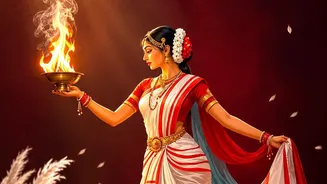
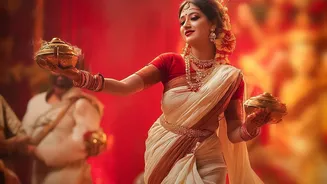
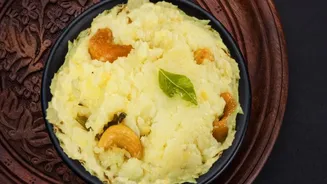
Anyone who has tasted bhog at a Durga Puja pandal knows it’s more than just a meal; it's a cherished experience. This special food, offered first to the goddess, is traditionally 'niramish' or sattvic, prepared without any onion or garlic. The two undisputed
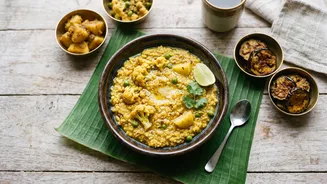
stars of this divine platter are the golden Bhoger Khichuri and the colourful mixed-vegetable medley, Labra. While many believe the unique taste comes from being cooked in giant pots for the community, capturing its essence at home is achievable by focusing on specific ingredients and methods that define its authentic flavour.
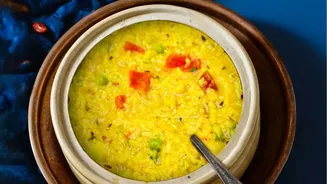
Mastering Bhoger Khichuri
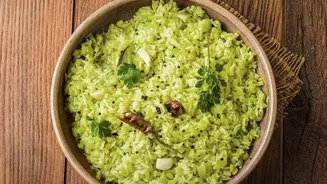
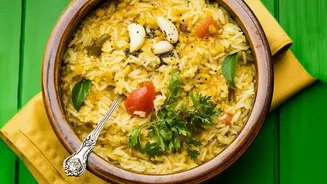
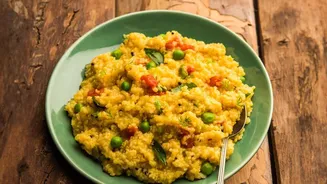
The heart of a true Bhoger Khichuri lies in two non-negotiable ingredients: Gobindobhog rice and Sona Moong dal. The Gobindobhog is a short-grain, aromatic rice that lends a distinct fragrance you can't get from Basmati. The crucial first step is to dry roast the moong dal in a pan over low heat until it turns a light golden brown and releases a nutty aroma. This single step is the signature technique that transforms everyday khichdi into festive bhog. Once roasted, the dal and rice are cooked together with vegetables like potatoes, cauliflower florets, and green peas. The tempering, or 'phoron', is done in mustard oil or ghee, featuring whole spices like bay leaves, cinnamon, cloves, and cardamom.
Secrets to Authentic Khichuri Flavour
To elevate your homemade khichuri, pay attention to the details. The ratio of rice to dal is typically 1:1 for that perfect consistency. Cook with mustard oil for its pungent depth, which is characteristic of Bengali cooking, and finish with a generous spoonful of ghee at the end for an incredible flavour and aroma. A paste of fresh ginger is essential for the spice base, along with turmeric and sometimes a hint of cumin powder. The final texture should be soft, thick, and porridge-like, not dry. Adding a pinch of sugar helps to balance the flavours, a common practice in Bengali cuisine.
Perfecting the Labra Medley
Labra is the perfect companion to the creamy khichuri. It’s a vibrant, semi-dry curry made with a mix of at least five different vegetables, celebrating seasonal produce. Key vegetables include pumpkin, potatoes, brinjal (eggplant), and radish, though you can also add cauliflower, cabbage, sweet potato, and beans. The magic of Labra comes from 'panch phoron', a Bengali five-spice blend of cumin seeds, fennel seeds, nigella seeds, fenugreek seeds, and mustard seeds. This blend is tempered in hot mustard oil, releasing a complex aroma that forms the soul of the dish.
Tips for a Flavourful Labra
For the best results, cut the harder vegetables like potatoes and radish into smaller pieces, while softer ones like pumpkin and brinjal can be larger. This helps everything cook evenly. The pumpkin is essential as it lends a natural sweetness that defines Labra's characteristic taste. A little sugar is often added to enhance this sweetness and balance the spices. Like the khichuri, Labra is cooked without onions or garlic and relies on ginger paste and basic spice powders like turmeric and cumin. The final dish should be a moist, jumbled mix where the vegetables are soft but still hold their shape, coated in the fragrant spices.