


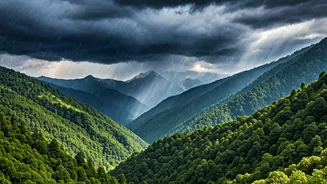



An Intensifying Monsoon Pattern
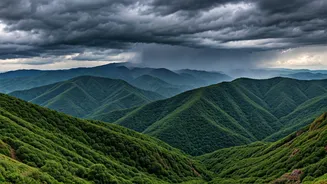
The allure of mist-laden trails and vibrant wildflowers draws countless adventurers to the Garhwal and Kumaon Himalayas each year. However, the 2026 monsoon season is shaping up to require exceptional vigilance. The India Meteorological Department (IMD)
has issued alerts for heavy rainfall across the state from late June into early July. These forecasts come on the heels of a decade that has seen a documented increase in extreme rainfall events, which directly correlate with a higher frequency of deadly landslides, especially between June and September. This isn't just a typical rainy season; it’s a period where conditions can change with alarming speed, turning serene landscapes into danger zones. Authorities have urged residents and travellers to stay alert for potential localized flooding and travel disruptions, highlighting that travel in the hills could become difficult.
The Triple Threat: Landslides, Floods, and Damaged Trails
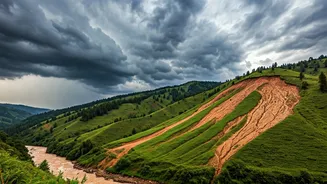
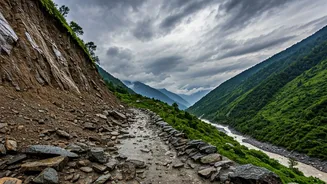
Monsoon trekking in Uttarakhand presents three primary dangers. The most significant is landslides, a frequent occurrence on the state's geologically fragile terrain. Heavy showers saturate the soil on steep slopes, leading to debris flow that can block roads and trails for hours or even days. Key arteries like the Rishikesh-Badrinath National Highway and the routes to Gangotri and Yamunotri are notoriously vulnerable. The second risk is flash floods, where intense rain in a short period causes rivers and streams to swell dangerously, making crossings treacherous. Finally, the trails themselves become compromised. Paths can become extremely slippery, waterlogged, or simply wash away, making descents particularly hazardous and increasing the risk of falls and injuries.
Before You Go: A Non-Negotiable Safety Checklist
Overconfidence is the biggest mistake a monsoon trekker can make. Before you even pack your bags, a thorough safety check is critical. First, monitor the weather daily using reliable sources like the IMD and Uttarakhand's disaster portal. Second, always trek with a registered, experienced local guide, especially on less-travelled routes. Their knowledge of current trail conditions, safe stream crossings, and when to turn back is invaluable. Avoid trekking solo if you lack significant Himalayan experience. Third, inform someone reliable about your detailed itinerary and stick to it. Finally, ensure you have comprehensive travel insurance that explicitly covers adventure activities and emergency evacuations.
Choosing Your Trail: The Green, Yellow, and Red Zones
Not all monsoon treks carry the same level of risk. Some destinations are practically designed for the season, while others should be avoided entirely. The Valley of Flowers, for instance, is a 'green zone' destination that reaches its peak bloom from mid-July to mid-August and is only accessible during the monsoon. Shorter, lower-altitude treks like Nag Tibba and Kunjapuri are also considered more manageable with appropriate caution. Treks like Chopta-Tungnath, with its stone-paved path, can be a safer short escape. In contrast, many popular treks fall into a 'red zone' and are not recommended. The Kuari Pass and Har Ki Dun treks are often officially closed during peak monsoon due to treacherous trail conditions and landslide-prone approach roads. Routes to high-altitude pilgrimage sites like Gangotri and Yamunotri are also high-risk due to frequent road closures. Always research the specific trail you plan to attempt, as some mountains have both a safe and a dangerous route simultaneously.
What to Do if You Get Stranded
Even with meticulous planning, the unpredictable nature of the monsoon can lead to getting stranded by a landslide or blocked road. The most important rule is to remain calm and stay put. Do not attempt to cross a landslide or a dangerously swollen river. If you are with a guide, follow their instructions. If you are on your own, try to find a safe, sheltered spot away from steep slopes or riverbanks. Use your emergency communication device, if you have one, to contact authorities or your designated emergency contact. Always carry extra food and water for at least 48 hours to prepare for such delays. Having buffer days built into your travel schedule is not a luxury but a necessity when trekking in the monsoon, as road closures are a common reality.