




The Ultimate Logistical Challenge
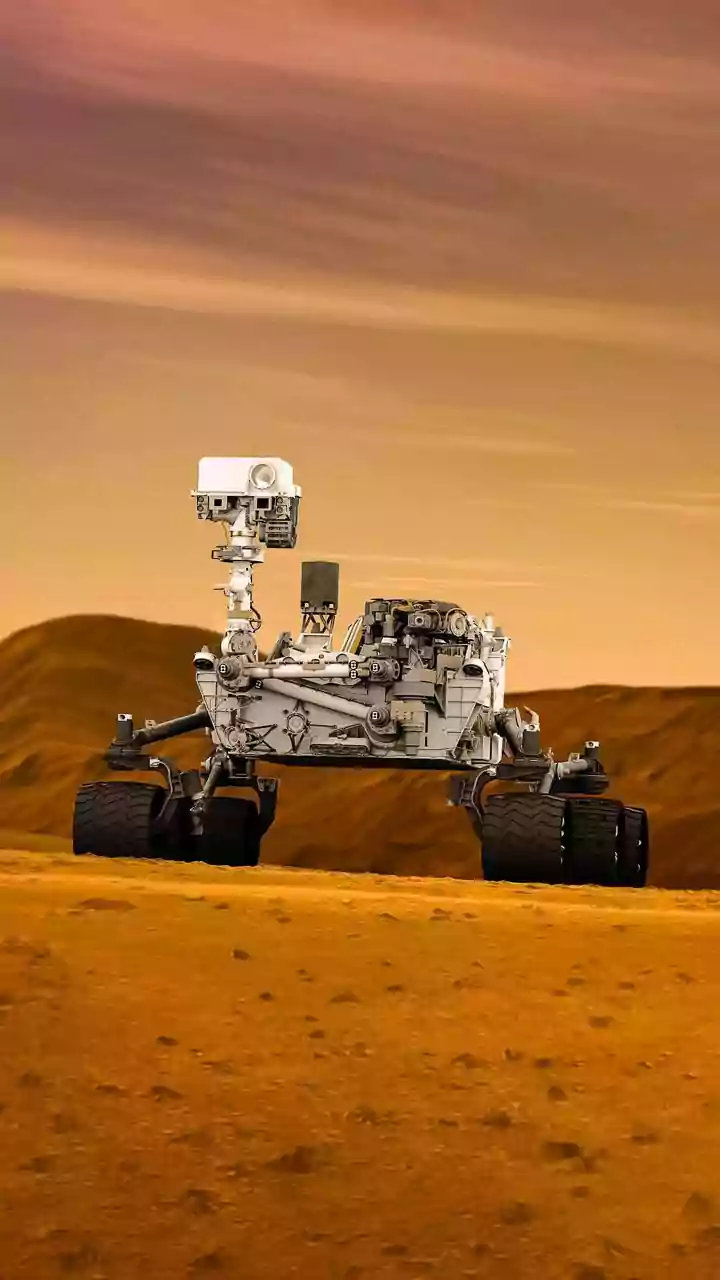
A mission to Mars would take between six to nine months each way, plus the time spent on the surface. Packing enough freeze-dried meals for that entire duration is a logistical nightmare. The weight and volume of pre-packaged food for a crew over several
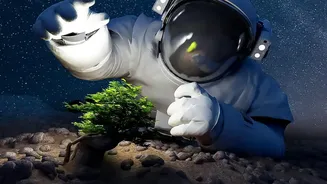
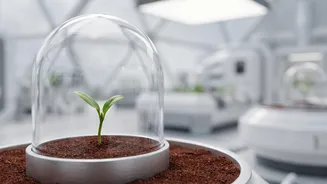
years would be immense, making the mission prohibitively expensive and complex. The only viable long-term solution is for astronauts to grow their own food, a practice known as in-situ resource utilization (ISRU). This means creating a self-sustaining farm millions of miles from Earth, a challenge that has captured the imagination of scientists and, increasingly, students who are developing the foundational concepts for Martian agriculture.
From Red Dust to Fertile Ground
The surface of Mars is covered not in soil, but in 'regolith' — a fine, dusty material that is essentially crushed rock. This regolith lacks the organic matter and beneficial microbes that make Earth's soil fertile. It also contains toxic compounds like perchlorates, which must be removed before it can be used for agriculture. Student projects, such as the "Red Thumbs Mars Garden Project" at Villanova University and a concept called "Gaia's Outpost" from a team of Texas students, are exploring ways to overcome this. These experiments use Martian regolith simulant, a specially formulated substitute, to test which crops can grow and how to treat the regolith to make it more hospitable. The goal is to figure out how to turn this sterile dust into a productive growing medium.
What's on the Martian Menu?
Early experiments have shown that some plants are more suited to these harsh conditions than others. In one student project, leafy greens, sweet potatoes, and microgreens grew well in the simulated Martian soil, while peas and regular potatoes struggled without additives. This highlights a key part of the research: finding the right combination of crops and soil amendments. Some research has shown that using alfalfa as a biofertilizer can help sustain other crops like turnips and radishes in regolith simulants. The process involves trial and error, testing different plants, nutrient additives, and even symbiotic organisms like fungi and bacteria that could help make nutrients in the regolith available to the plants. The ultimate goal is to create a varied diet that can keep astronauts healthy and psychologically satisfied.
The Greenhouse at the End of the Universe
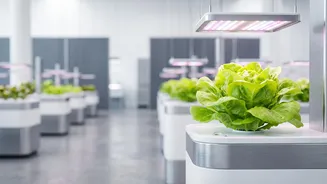
Growing plants on Mars will require a controlled environment, likely an underground or heavily shielded greenhouse to protect against the planet's harsh radiation and cold temperatures. Inside, astronauts would manage a sophisticated system, possibly using hydroponics (growing plants in water) or aquaponics, which integrates fish farming to fertilize the plants. A University of Greenwich project, for example, is studying how waste from tilapia fish could fertilize crops grown in Martian simulant. These closed-loop systems are incredibly efficient; they not only produce food but also recycle water and generate oxygen, which are invaluable benefits on a long-duration space mission. Student competitions like the NASA HUNCH Culinary Challenge also engage young minds in designing meals for microgravity, demonstrating that the future of space food involves both agriculture and creative culinary science.