


The Rule at a Glance
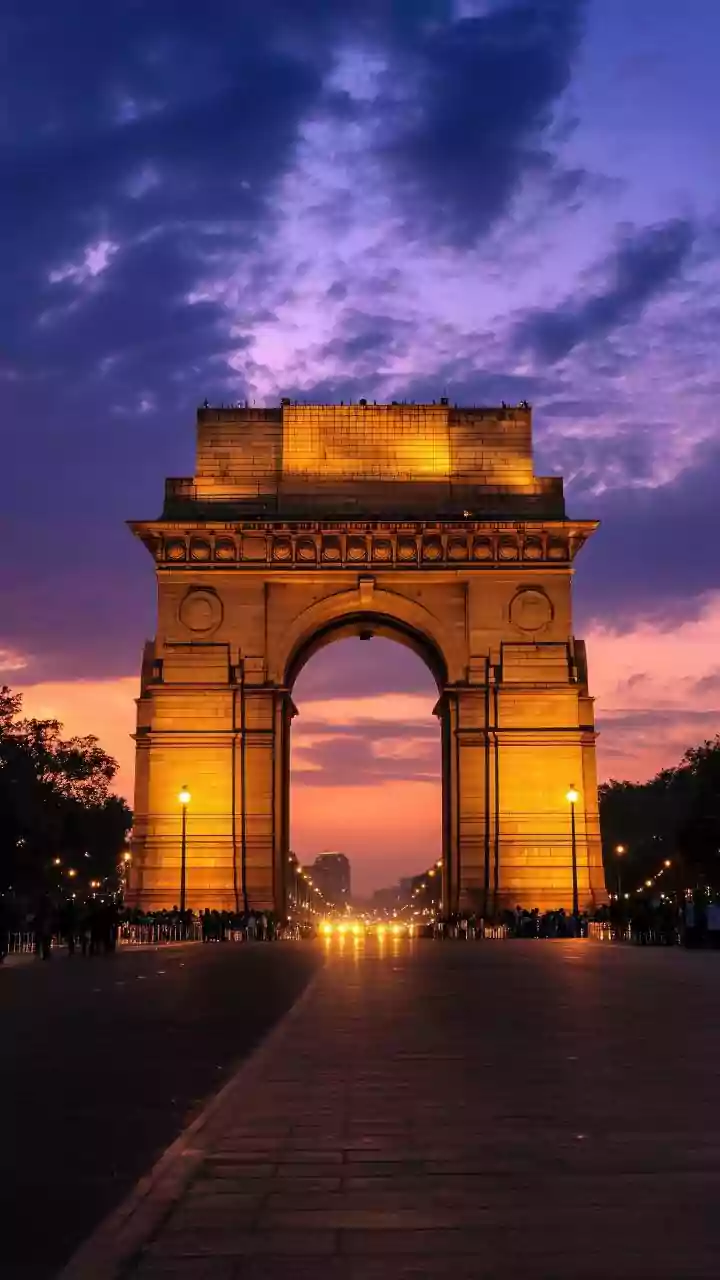
First, let's be clear about the regulation. In Delhi and the surrounding National Capital Region (NCR), diesel vehicles older than 10 years and petrol vehicles older than 15 years are not permitted to be on the roads. This isn't a temporary or seasonal
guideline; it's a standing order that has been in place for several years. The rule is enforced regardless of the vehicle's fitness certificate or its 'Pollution Under Control' (PUC) status. Even a well-maintained older car is subject to this ban if it crosses the age threshold.
The Legal Mandate: Beyond Delhi's Government
A key point of confusion is who created this rule. It wasn't enacted solely by the Delhi government for its own territory. The foundation was laid by the National Green Tribunal (NGT), a specialized judicial body that handles environmental cases. In orders from 2014 and 2015, the NGT initiated the ban, citing the severe health crisis caused by air pollution in the region. These orders were subsequently upheld and reinforced by the Supreme Court of India in 2018, which explicitly stated that such vehicles would not be allowed to ply in the NCR. This makes it a federal-level legal mandate enforced across the entire NCR, superseding individual state transport rules.
One Region, One Airshed
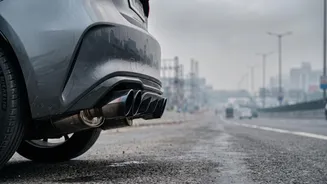
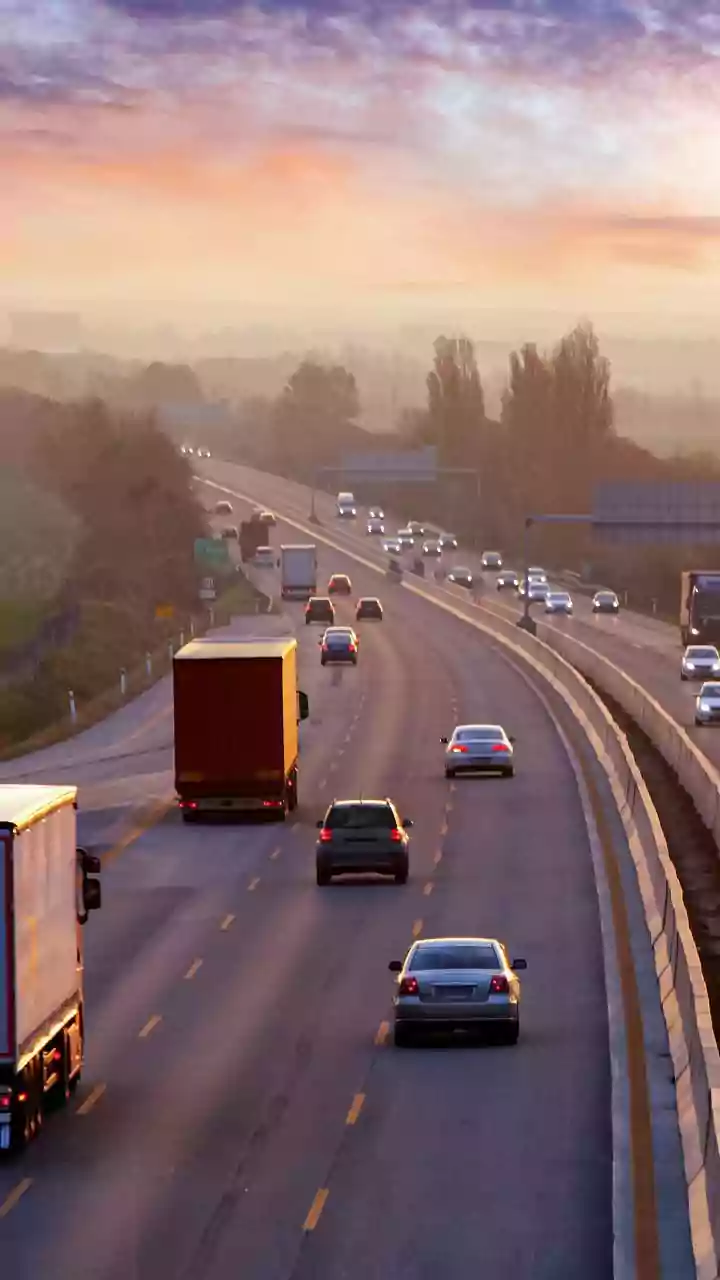
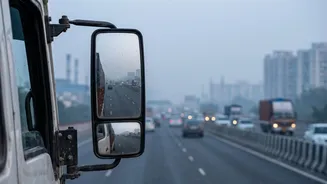
The most important reason for the region-wide ban is environmental science. Pollutants don't recognize state borders. The Delhi-NCR is considered a single 'airshed', which means that air, and the pollution in it, circulates freely throughout the area. Emissions from a diesel vehicle in Ghaziabad, Gurugram, or Faridabad directly contribute to the toxic smog that blankets Delhi, and vice-versa. Studies have consistently shown that older diesel engines, particularly those pre-dating the BS-IV emission norms, are disproportionately high polluters, emitting several times more particulate matter than modern vehicles. Banning these vehicles only in Delhi would be ineffective if thousands continued to enter from neighbouring satellite towns every day, undermining the entire effort to clean the region's air.
Which Areas Are Part of the NCR?
The NCR is a vast metropolitan area that extends beyond Delhi into three neighbouring states. This includes major industrial and residential hubs. Key districts covered by the rule include Gurugram, Faridabad, Sonipat, and Panipat in Haryana; Gautam Buddh Nagar (Noida and Greater Noida), Ghaziabad, and Meerut in Uttar Pradesh; and Alwar and Bharatpur in Rajasthan, among others. Any vehicle registered in or entering these areas must comply with the age-based restrictions. Enforcement teams from different states often conduct joint operations at border points to check incoming traffic, especially during the winter months when air quality deteriorates significantly as part of the Graded Response Action Plan (GRAP).
Enforcement and Options for Owners
Compliance is not optional. Vehicles found violating the ban face heavy fines and can be impounded. While this may seem harsh, it reflects the urgency of the public health crisis. For owners of affected vehicles, there is a legal pathway to avoid having their asset scrapped. You can apply for a No-Objection Certificate (NOC) from the transport authority where the vehicle is registered. This NOC allows you to legally sell or re-register the vehicle in a different state or district outside of the NCR where these specific age limits do not apply. This process ensures the vehicle's value isn't completely lost, while still removing it from the NCR's polluted airshed.