


The Power of Powders
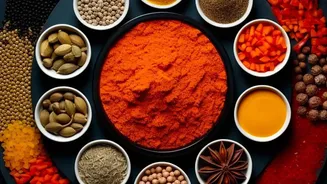
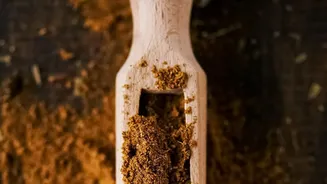
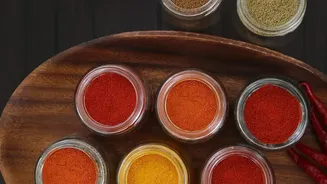
Chilli powder is perhaps the most common way to introduce heat into a dish, offering a dry, consistent, and easily distributable form of spice. But not all powders are created equal. They are far more than just pulverised heat; they are a tool for adding
colour, depth, and specific flavour notes. For instance, Kashmiri chilli powder is a staple in many Indian kitchens, prized for its vibrant red hue and relatively mild heat, allowing you to add beautiful colour to a rogan josh or tandoori chicken without making it overwhelmingly spicy. On the other end of the spectrum, powders made from hotter chillies like cayenne provide a more direct and potent kick, perfect for when you need to dial up the heat without altering the core flavour profile of a dish much. Then there are powders with more complex profiles, like smoky chipotle or fruity ancho, which is made from dried poblano peppers. These can be used to build a rich, layered base in everything from stews to barbecue rubs. Powders are best added during the cooking process, allowing their flavours to bloom and meld with the other ingredients.
The Richness of Oils
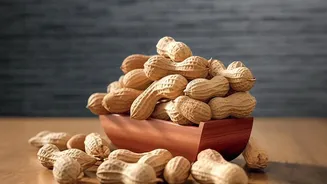
Chilli oil brings a completely different dimension to the table. Capsaicin, the compound that gives chillies their heat, is fat-soluble. This means that oil is a highly effective and efficient carrier for both its flavour and its fire. Chilli oils range from simple infusions—neutral oil gently heated with dried chillies—to the now-globally popular chili crisp. The latter includes crunchy, fried bits of garlic, shallots, and sometimes soybeans or peanuts, delivering not just heat but also a deeply savoury umami flavour and an addictive texture. Unlike powders, which integrate into a dish, oils are often used as a finishing condiment. A spoonful drizzled over noodles, fried rice, pizza, or even a simple fried egg can instantly elevate the meal, adding a fragrant aroma and a satisfying crunch. Different cultures have their own take, from Chinese-style chilli crisp with Sichuan peppercorns that add a numbing sensation, to Italian olio piccante for drizzling on pasta. This makes oil a versatile tool for adding a final, dramatic layer of flavour and heat right before serving.
The Brightness of Pickled Elements
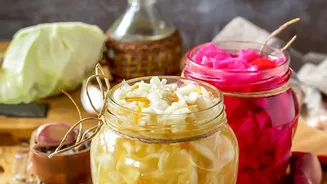
When you need heat with a kick of acidity, pickled elements are the answer. The process of pickling chillies in a brine of vinegar, water, salt, and sugar tames their raw fire while adding a tangy, bright dimension. This makes them an excellent counterpoint in rich or heavy dishes. Think of sliced jalapeños on nachos or tacos; their sharp, acidic heat cuts through the richness of the cheese and meat, cleansing the palate. The same principle applies to using pickled chillies in sandwiches, on pizzas, or as part of a charcuterie board. Many cuisines feature pickled chillies as a standard condiment. In India, a side of mirchi ka achaar (chilli pickle) is common, offering a complex, spicy, and sour punch to accompany a meal of dal and rice. Vietnamese cuisine often uses quick-pickled chillies with garlic as a tableside condiment for soups like pho, allowing diners to customise their heat level while adding a zesty note. The pickling liquid itself is a bonus ingredient, perfect for adding a spicy, acidic boost to salad dressings or marinades.
Layering Heat for Ultimate Flavour
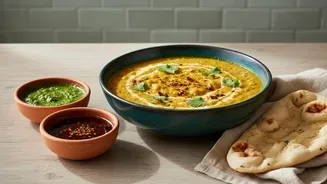
The true art of cooking with heat lies in knowing how to combine these different forms. Layering allows you to create a dish with a more profound and multi-dimensional flavour profile. You might start a curry by blooming a blend of chilli powders in oil to build a deep, warm foundation. Then, just before serving, you could add a drizzle of crunchy chilli crisp for a burst of texture and aromatic heat on top. A side of pickled chillies can offer a bright, acidic contrast that diners can add themselves. This approach ensures that the heat isn't one-note. Instead, it evolves as you eat, with the foundational warmth from the powder giving way to the textural spice of the oil and the sharp tang of the pickle. By understanding the unique contributions of powders, oils, and pickled elements, you move from simply making food spicy to thoughtfully building layers of flavour, turning a simple meal into something truly special and memorable.