




The Psychology of Flexible Space
A cluttered or restrictive environment can make us feel stressed and confined. The ability to change your surroundings gives you a sense of control and freedom, which has been linked to greater wellbeing at home. When furniture can be moved, folded, or rearranged,
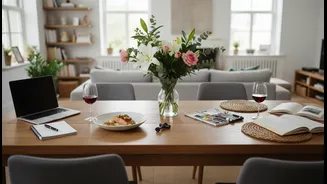
it allows for clear, unobstructed pathways and open sightlines. This visual flow tricks the eye into perceiving more space than is actually there. An adaptable layout reduces visual noise, creating a calmer, more breathable environment that immediately feels more expansive. This flexibility allows a room to serve different functions—a living area by day, a dining space by evening—without feeling crowded.
The Power of Modular Design
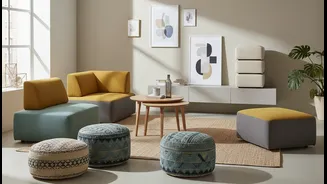
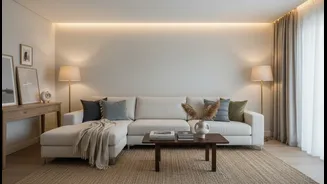
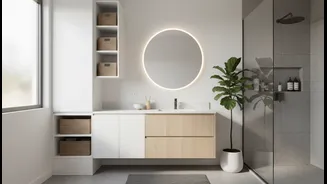
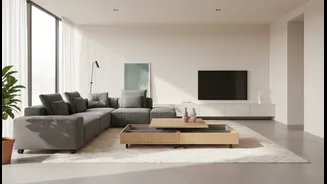
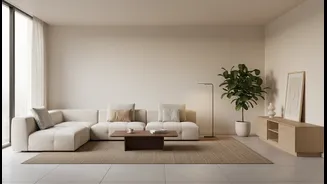
Modular furniture, especially sectionals and shelving units, is a game-changer for small apartments. These pieces consist of individual components that can be combined in various ways. A modular sofa can be arranged as an L-shape to anchor a corner, broken into separate seats for guests, or configured into a straight line to free up floor space. This adaptability is invaluable, especially for renters who may move between different layouts. Because they are delivered in separate pieces, they are also much easier to move through narrow doorways and staircases, a common challenge in apartment buildings. Modular shelving allows you to build vertically, drawing the eye upward and making use of wall space that might otherwise go to waste.
Furniture That Does Double Duty
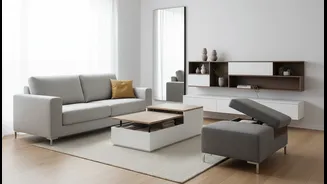
In a small home, every piece of furniture should earn its keep. Multi-functional items are essential for maximizing utility without sacrificing space. A sofa that converts into a bed is a classic example, turning a living room into a guest room in seconds. Similarly, an extendable dining table can remain compact for daily use and expand to accommodate family and friends for special occasions. Coffee tables with lift-tops that transform into workstations are perfect for a work-from-home setup, while storage ottomans provide extra seating and a hidden place to stash blankets, magazines, or remote controls. These dual-purpose designs reduce the total number of furniture pieces needed, which is key to preventing a room from feeling cluttered.
Embrace Nesting and Folding
Some of the most effective space-saving furniture is designed to disappear when not in use. Nesting tables are a perfect replacement for a single, bulky coffee table; they can be spread out when needed and then stacked neatly to reclaim floor space. Foldable chairs can be hung on a wall or tucked into a closet, ready to be deployed for extra dinner guests. Wall-mounted desks and dining tables are another brilliant solution, folding flat against the wall to keep traffic areas completely clear. This 'on-demand' approach to furnishing ensures that your space is defined by its current function, rather than being permanently constrained by static, single-purpose objects.
Create Zones with Movable Pieces
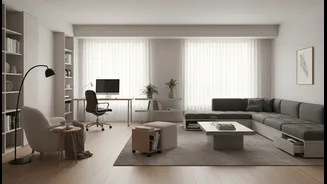
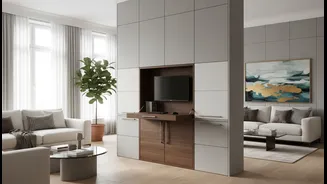
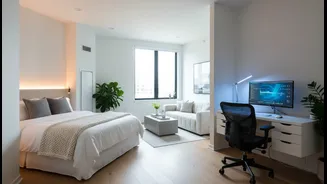
An open-plan living area can feel larger, but it often lacks definition. Instead of building walls, you can use reconfigurable furniture to create distinct 'zones' for different activities like working, dining, and relaxing. A lightweight bookshelf on wheels can act as a movable partition, separating a workspace from the living area. A strategically placed modular sofa can help delineate the lounge area from the dining space. Even the simple act of pulling furniture away from the walls by a few inches can create a sense of depth and make a room feel less confined. This approach allows you to structure your home in a fluid way, adapting the layout to fit the rhythm of your day.