



More Than Just Stargazing
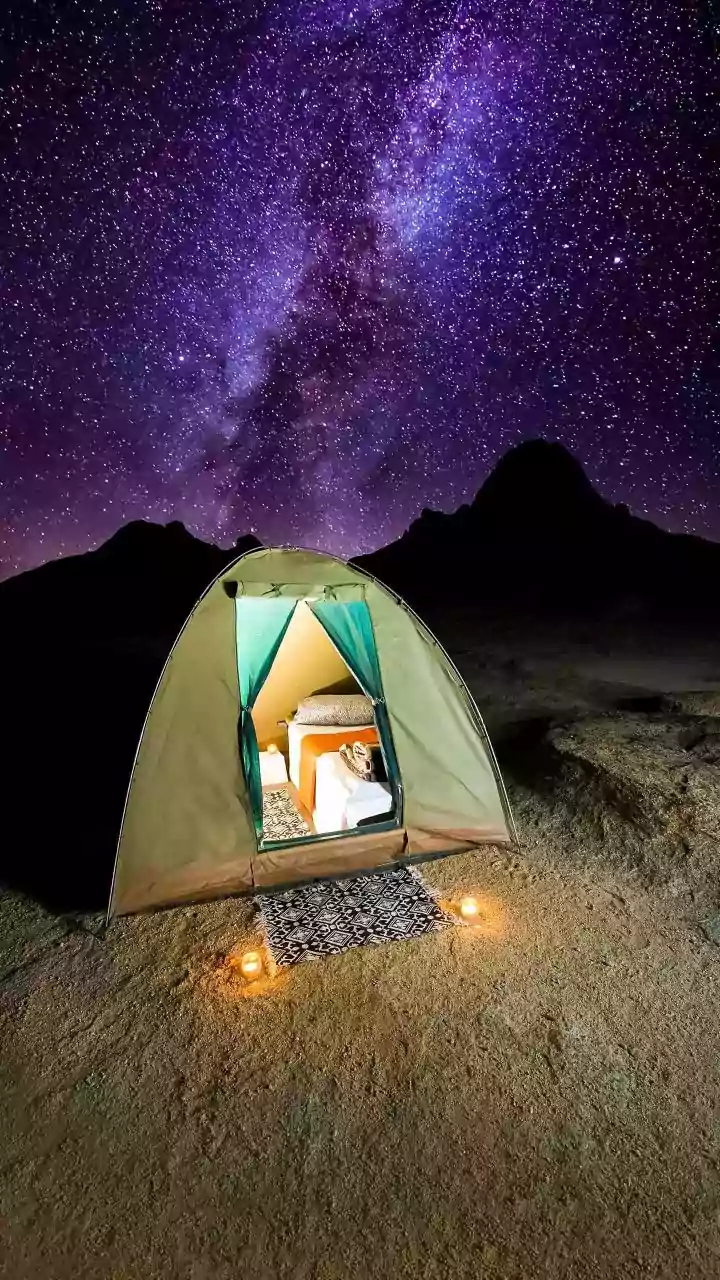
This isn't your childhood camping trip with a pair of binoculars. Astro tourism is a rapidly growing travel niche dedicated to experiencing the night sky in its full, unobscured glory. It ranges from staying at a remote lodge with a staff astronomer to joining
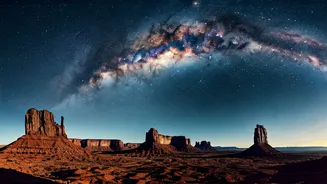
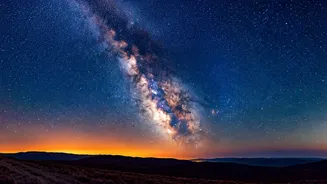
a guided tour in a certified Dark Sky Park. The goal is the same: to witness celestial phenomena—the Milky Way's shimmering band, meteor showers, neighboring galaxies—that are invisible to the vast majority of people in the developed world. Unlike traditional tourism that winds down after sunset, astro tourism is just getting started. It’s an entire ecosystem of hotels that replace evening turndown service with telescope tutorials, tour guides who specialize in cosmic storytelling, and entire communities that have redesigned their public lighting to preserve the darkness. It transforms the night from a time of inactivity into the main event.
An Antidote to Modern Life
So, why the sudden boom? The trend is fueled by a perfect convergence of modern anxieties and ancient wonder. First, there's the simple fact of scarcity. According to some studies, more than 80% of Americans and a third of humanity can no longer see the Milky Way from their homes due to pervasive light pollution. What was once a universal human experience has become a rare privilege, and like any rare resource, it’s now something people will travel for. Second, it’s a powerful antidote to our hyper-connected, screen-saturated lives. Astro tourism demands that you put your phone down, stand in the quiet dark, and look up at something vast, beautiful, and utterly indifferent to your worldly worries. In an era of wellness travel focused on yoga retreats and digital detoxes, staring into the infinite void might be the ultimate form of mindfulness. It’s an experience that’s simultaneously humbling and deeply connecting.
The Dark Sky Gold Standard
The movement isn’t just happening organically; it’s being actively cultivated. The key player is the International Dark-Sky Association (IDA), a non-profit organization that certifies locations as “International Dark Sky Places.” This designation isn't easy to get. It requires communities, parks, and reserves to demonstrate a robust commitment to reducing light pollution through smart lighting policies, public education, and preservation efforts. For travelers, an IDA certification is a seal of approval. It guarantees that a location offers an exceptional nighttime environment. These places become magnets for astronomers and casual stargazers alike, creating a sustainable economic incentive for communities to protect their starry nights. This has created a global map for astro tourists, pointing the way to the darkest and clearest skies, from the deserts of the American Southwest to remote corners of Chile and New Zealand.
Where to Find the Stars in the U.S.
Ready to trade city glow for galactic grandeur? The United States is packed with world-class dark sky destinations. A great starting point is any of the numerous certified National Parks. Places like Big Bend in Texas, Death Valley in California, and Utah’s “Mighty 5” (Zion, Bryce Canyon, Arches, Canyonlands, and Capitol Reef) offer some of the darkest skies in the country, often with ranger-led astronomy programs. For a more curated experience, look to towns that have built their identity around the stars. Flagstaff, Arizona, was the world’s first designated International Dark Sky City and is home to the Lowell Observatory, where Pluto was discovered. Other communities, like Ketchum, Idaho, and Westcliffe, Colorado, have followed suit, offering a mix of rustic charm and cosmic wonder. Finally, dedicated astro-lodges and resorts are popping up, providing high-powered telescopes, expert guides, and comfortable amenities, proving you don't have to rough it to get a front-row seat to the universe.