








The Post-Monsoon Glow-Up
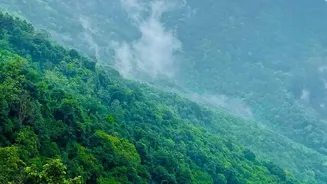
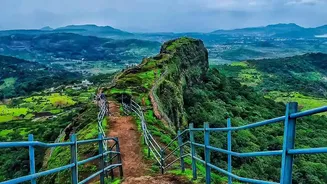
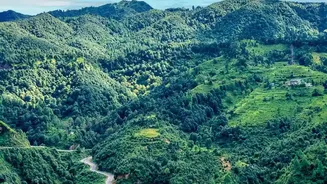
There’s a certain magic to the Indian landscape after the rains. Highways that were dusty and brown for months are now flanked by lush, vibrant greenery. Waterfalls, temporarily brought to life by the downpour, cascade down hillsides, and lakes are full
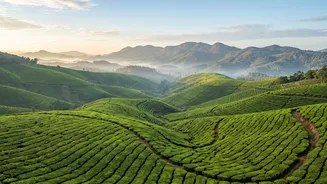
and shimmering. This freshly washed world is a powerful magnet for travellers. The air is cleaner, the temperatures are cooler, and the scenery is at its most dramatic. This seasonal transformation is a primary driver for the surge in road trips, as people look to soak in these ephemeral landscapes before the dry season returns. Destinations that are particularly transformed, like the tea estates of Munnar or the coffee plantations of Coorg, see a significant influx of visitors chasing this post-monsoon beauty.
A Permanent Shift in Travel Habits
The preference for road trips is more than just a seasonal whim; it reflects a deeper change in how Indians approach travel. The concept of a “drivecation”—a holiday where the road trip itself is a core part of the experience—has become a mainstream format. This trend is fueled by the desire for flexibility, privacy, and control, allowing travellers to explore hidden gems at their own pace and travel without the restrictions of airlines. Improved national highways and expressways have also made driving to destinations within a 200 to 600 km radius more attractive than taking short, often costly flights. While the boom in domestic travel is significant, with 429 crore domestic tourist visits recorded last year, the focus is now shifting towards distributing this demand to new and emerging destinations.
Top Routes for the Open Road
So where is everyone going? Certain routes become perennial favourites once the monsoon ends. The drive from Mumbai to Goa along the scenic NH 66 is a classic, offering views of the Western Ghats and the Arabian Sea. In the south, the journey from Bangalore to the misty hills of Coorg or Ooty is immensely popular, taking travellers through verdant coffee country and the Nilgiri hills. For those in the north, the roads leading from Delhi towards the Himalayan foothills, such as Rishikesh and Mussoorie, become accessible and inviting again. These routes are not just about the destination but the journey itself, filled with opportunities to stop at local eateries, discover small villages, and enjoy the drive.
The Workation Continues to Fuel Exploration
The rise of remote and hybrid work has permanently altered travel patterns, giving birth to the mainstream “workation”. Professionals are no longer limited to weekend trips; instead, they are combining work with leisure by relocating for several days or even weeks. Reports indicate that 45% of Indian travellers are planning a workation in 2026, with the average stay extending from a few days to a full week. This allows for deeper exploration of a region. A road trip can be extended into a longer stay in destinations like Goa, the hill stations of Himachal Pradesh, or the quieter corners of Uttarakhand, which offer both reliable internet and a refreshing change of scenery.