


From Seeing It All to Feeling It All
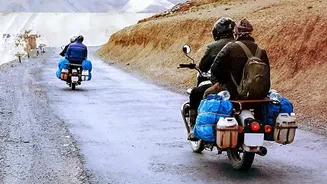
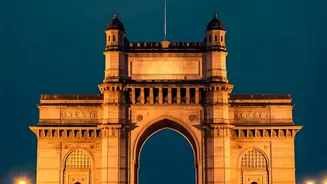
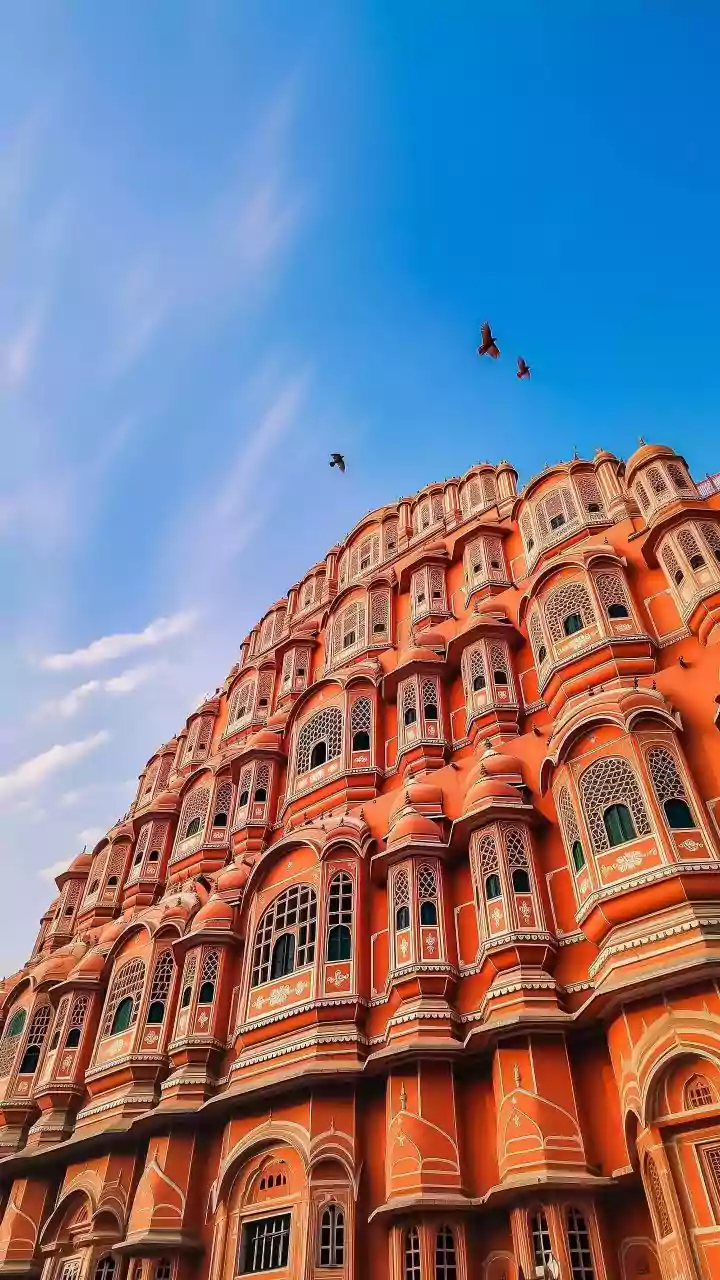
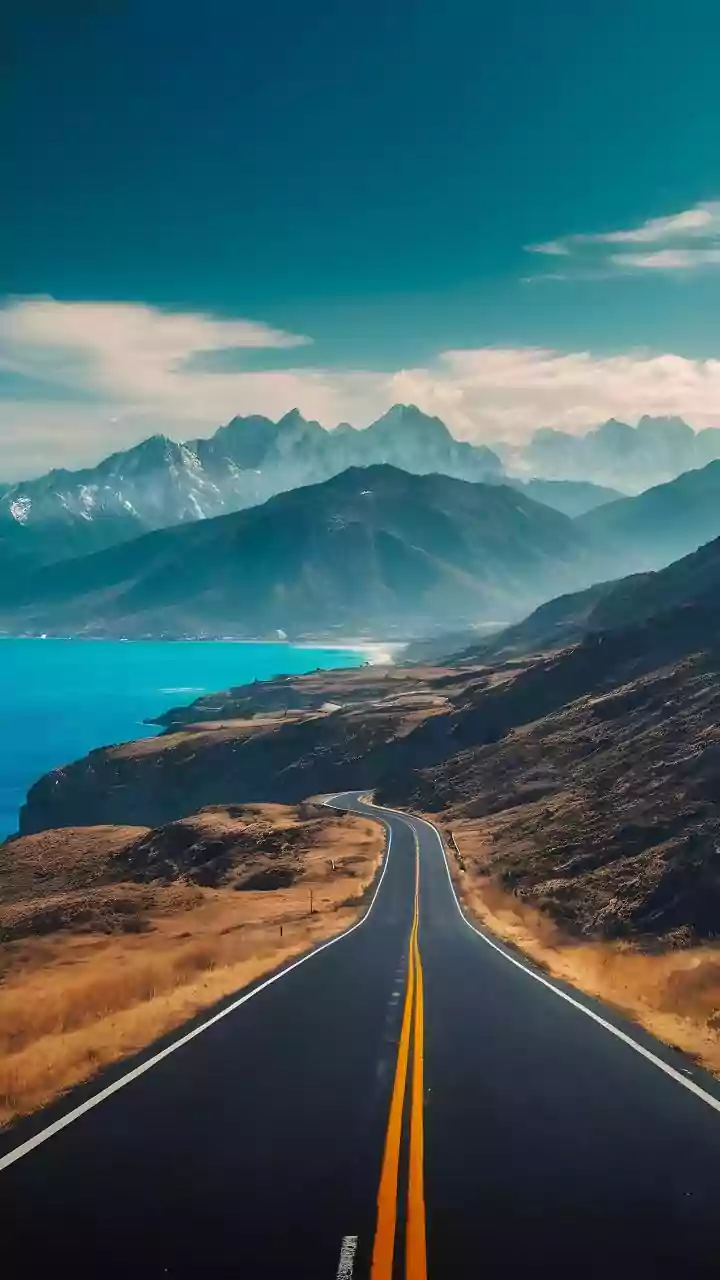
For generations, the mark of being well-travelled was a packed itinerary and a long list of cities visited. But that model is being rewritten. A new philosophy is taking hold among younger Indians, prioritising depth over distance and connection over checklists.
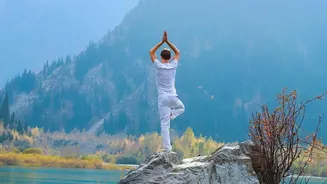
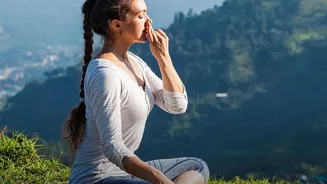
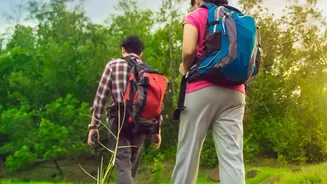
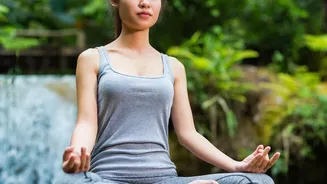
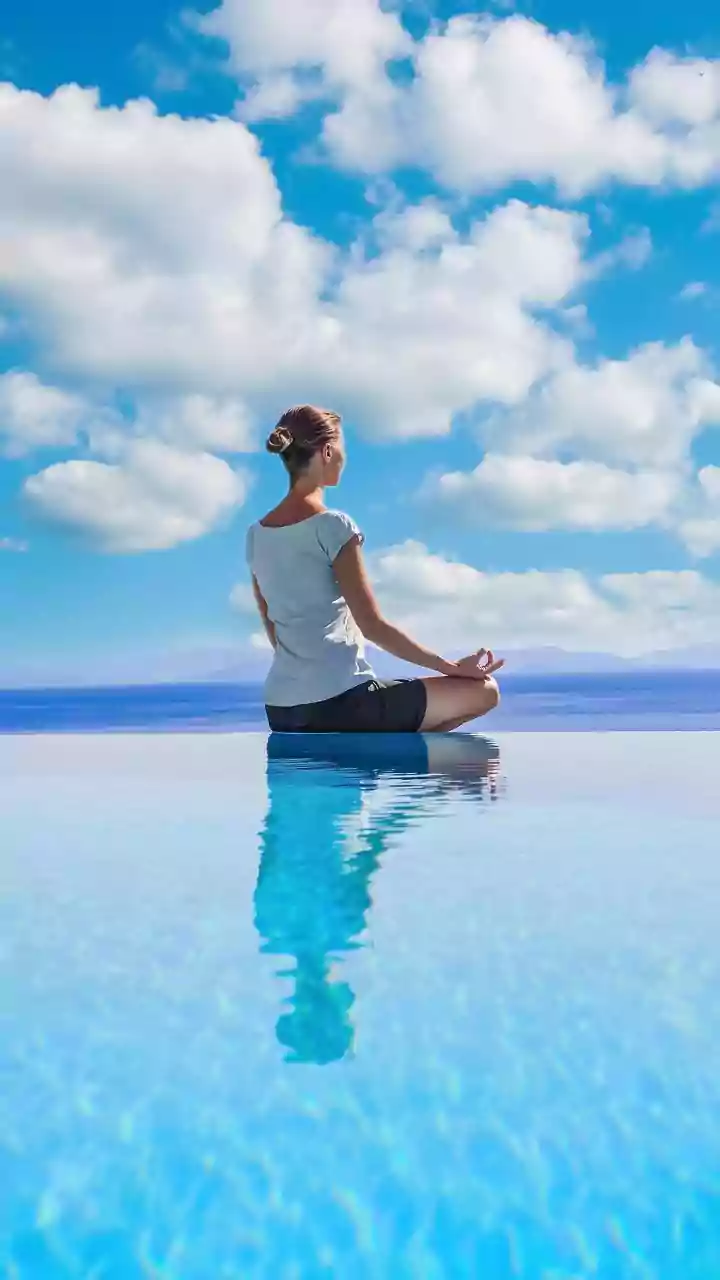
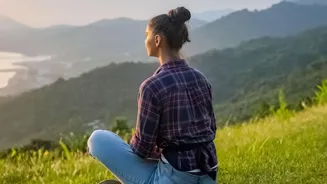
This approach has two key components: wellness and slow travel. Slow travel is about intentionally reducing the pace of a trip, spending more time in fewer places, and immersing oneself in the local culture, food, and community. It’s the difference between collecting passport stamps and collecting meaningful moments. Wellness travel complements this by focusing on rejuvenation—not just spa treatments, but holistic experiences that restore the mind and body, from digital detoxes to nature stays and yoga retreats.
The Burnout Generation Seeks a Breather
A key driver of this shift is the reality of modern urban life in India. Long work hours, digital fatigue, and the pressures of a hyper-connected world are leading to widespread burnout. For this generation, a holiday is no longer just a break from work; it's a necessary tool for survival and recovery. Travel is becoming a response to stress. The old way of travelling—rushed, stressful, and performance-oriented—often left people needing a vacation from their vacation. Slow and wellness-focused journeys offer a genuine escape and an opportunity to reset. They provide an antidote to the 'hustle and bustle' of everyday life, allowing for mental and physical rejuvenation.
Redefining Travel for the Digital Age
Interestingly, the very digital tools that contribute to burnout are also shaping this new travel mindset. While social media can create pressure to visit popular spots, it also fuels a desire for unique, personal, and authentic experiences that stand out. According to a recent Airbnb report, 95% of young Indian travellers want their trip to feel personal and unique, not pre-planned. Travel has become an act of self-expression. This generation is moving beyond just visiting a place; they want to live it, even for a short while. They are seeking out farm stays, quiet towns, and homestays that offer a connection to local life, all of which are central to the slow travel ethos.
What This New Wave Looks Like
This trend is manifesting in diverse ways across the country. It's in the rising popularity of yoga and meditation retreats in Rishikesh and Goa, and the demand for Ayurvedic healing in Kerala. It's visible in the mountains of Himachal and Uttarakhand, where cafes are advertising high-speed internet to accommodate remote workers on longer 'work-from-hills' stints. It's seen in the growing interest in farm stays and rural tourism, where travellers engage with the community and learn about local life. Travel companies are responding by expanding their offerings to include nature stays, digital detox programmes, and other experiences focused on physical and mental well-being. The average length of trips has also started to increase, signalling a shift away from quick, superficial visits.
A Fundamental Shift, Not a Fleeting Trend
The COVID-19 pandemic acted as a major catalyst, forcing a global pause and making people re-evaluate their priorities. Health, well-being, and connection became paramount. This recalibration has had a lasting impact on travel choices. What we are seeing is not just a passing trend but a structural shift in the tourism landscape. It reflects a deeper change in how young Indians perceive the purpose of travel—less as a means of escape and more as a path to self-discovery, restoration, and genuine connection with the world around them. This generation is proving that sometimes, the best way to explore is to slow down.