




The Foundational Paste
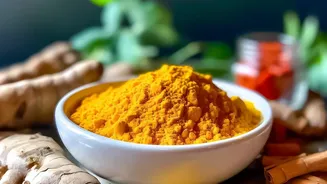
The most fundamental way to use ginger and turmeric is by creating a simple, raw paste. This is the starting point for countless curries and vegetable dishes across India. Traditionally pounded in a mortar and pestle, you can achieve a similar result
in a small blender. Simply combine equal parts of peeled fresh ginger and fresh turmeric root with a tiny splash of oil or water to help it blend. The fiery, aromatic ginger is perfectly balanced by the earthy, slightly bitter notes of turmeric. When this paste hits hot oil, it releases a fragrant aroma that signals the start of something delicious. In Ayurveda, this combination is considered a 'Maha Aushadhi' or superior medicine, believed to support digestion and immunity.
A Warming Chai Masala
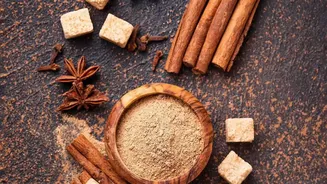
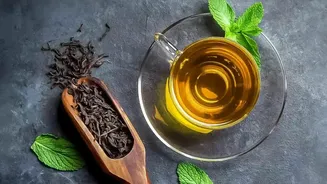
While recipes vary from family to family, a truly aromatic masala chai often includes both ginger and turmeric. This blend is not just a beverage; it is a ritual. To create the spice mix, you can use either fresh or dried versions of the roots. Combine freshly grated ginger and turmeric with crushed green cardamom pods, cloves, cinnamon sticks, and a few black peppercorns. The pepper is a crucial addition, as it contains piperine, a compound known to enhance the body's absorption of curcumin, the active ingredient in turmeric. Simmer these spices in water before adding black tea leaves and milk. The resulting brew is a warming, invigorating drink where the spice of the ginger and the earthiness of the turmeric provide a deep, complex base for the sweeter, more fragrant notes of cinnamon and cardamom.
An Enriched Garam Masala
Garam masala is the quintessential North Indian finishing blend, a warm mix of spices like cardamom, cinnamon, cloves, and cumin. While pre-made garam masala powders are a staple, many home cooks elevate their dishes by incorporating fresh elements. A powerful technique is to first fry your base ginger-turmeric paste with onions and garlic, and then add your main ingredients. The dry garam masala is then stirred in during the final minutes of cooking. This layering of fresh and dry spice blends creates an incredible depth of flavour. The fresh paste provides a bright, pungent foundation, while the toasted, powdered spices of the garam masala add a complex aromatic finish that would be impossible to achieve with just one of the blends alone.
A South Indian Coastal Blend
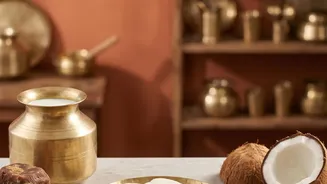
Travel south, and the flavour profiles shift to incorporate coconut and mustard seeds. A classic South Indian-inspired blend starts with the familiar ginger and turmeric paste but builds upon it with distinctly coastal ingredients. To create this blend, start by heating coconut oil and crackling black mustard seeds. Add fresh curry leaves, followed by your ginger and turmeric paste, and perhaps some garlic and green chillies. This fragrant base can then be combined with coconut milk and tangy tamarind to create a sauce for fish, prawns, or vegetables. The combination of earthy turmeric, sharp ginger, pungent mustard, and creamy coconut is a hallmark of the region's cuisine, creating dishes that are both comforting and vibrant.
A Pungent Bengali Mustard Paste
For a bold and regional flavour, look to Bengal in the east. Here, a sharp and pungent paste called 'Shorshe Bata' (mustard paste) is a beloved base for fish and vegetable preparations. A variation of this blend beautifully incorporates ginger and turmeric. The primary ingredients are mustard seeds, often soaked in water and ground into a sharp paste. To this, fresh ginger, turmeric root, and green chillies are added and ground together. This creates a fiery, pungent, and deeply flavourful mixture. The combination is not for the faint of heart; the assertive heat of the mustard is intensified by the ginger, while the turmeric adds its characteristic colour and earthy depth. It’s a perfect example of how the foundational ginger-turmeric pairing can be adapted to create a uniquely powerful and regional taste.