



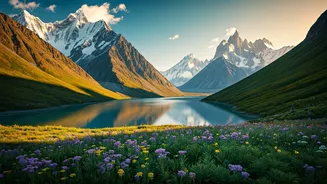


An Unseen Danger in Paradise
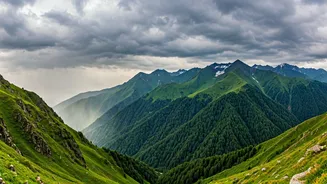
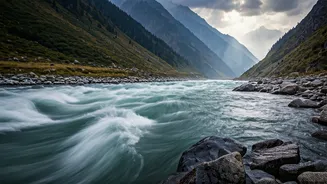
High-altitude trekking routes in popular destinations like Sonamarg and Pahalgam are experiencing a dramatic increase in water flow. Streams and nallahs, normally manageable in early summer, are swelling to dangerous levels, catching trekkers and local
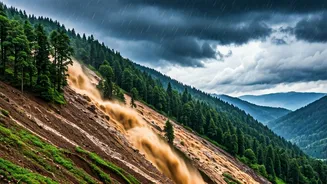
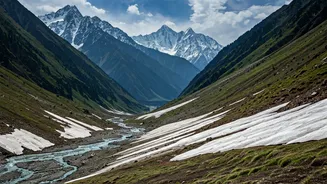
guides by surprise. This phenomenon is a direct consequence of accelerated snow and glacier melt, driven by a sharp rise in temperatures in the upper Himalayas. The increased discharge not only makes water crossings treacherous but also elevates the risk of flash floods in narrow valleys, posing a significant threat to anyone on the trails.
The Climate Connection
Scientists and environmental experts have been warning about the rapid warming of the Himalayan region, which is heating up faster than many other parts of the world. Recent studies confirm that Kashmir's glaciers, the lifeblood of its rivers like the Jhelum and Indus, are receding at an alarming rate. The Kolahoi Glacier, Kashmir's largest, has retreated significantly, and the Thajiwas Glacier near Sonamarg has also seen a drastic reduction in mass. This year, the impact is being felt acutely as warmer winters with less snowfall are followed by an early heatwave. This combination accelerates the melting process, releasing massive volumes of water that would normally flow much later in the season. The immediate result is an increased risk of flash floods and Glacial Lake Outburst Floods (GLOFs), where expanding glacial lakes breach their natural dams.
What This Means for Trekkers
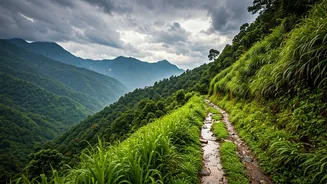
For the adventure community, these changes translate to very real dangers on the ground. Treks like the Kashmir Great Lakes are renowned for their river crossings, which are now fraught with higher risk. Washed-out bridges, submerged trails, and the sheer force of the water can easily isolate trekking groups or lead to serious accidents. The problem is often most acute in the afternoon, as the sun's heat intensifies the melt, causing water levels to rise rapidly. A stream that was a simple rock-hop in the morning can become an impassable torrent by evening. This unpredictability requires a new level of caution and respect for the mountain environment.
Official Advisories and Safety Measures
In response to the heightened risks, authorities have issued advisories urging extreme caution. The National Disaster Management Authority (NDMA) has warned of increased water flow in rivers and streams across the region due to accelerating glacier melt. Trekkers and tourists are strongly advised to avoid unnecessary travel near rivers and glacial zones and to stay updated with official weather advisories. Key recommendations include: hiring only registered and experienced local guides who understand the changing conditions, planning itineraries to allow for buffer days, and never attempting to cross a swollen stream. It is also crucial to carry extra rations and emergency supplies. Checking with local authorities in places like Pahalgam, Gurez, and Sonamarg before commencing any high-altitude journey is now more important than ever.
A New Era for Himalayan Adventure
The challenges posed by early water flows are a clear signal that climate change is reshaping adventure tourism in Kashmir. The romance of the Himalayas is increasingly punctuated by the realities of a warming planet. This doesn't mean an end to trekking, but it does demand a significant shift in mindset. Greater emphasis must be placed on preparedness, flexibility, and a deep understanding of the local environment. Tour operators and trekkers alike must adapt to this new reality, prioritising safety over summit fever and acknowledging that the mountains are in a state of flux. The future of trekking in this magnificent region depends on our ability to listen to these warnings and travel with informed respect.