



The Strategic Shift Westward
Not long ago, expanding internationally was a final chapter for established Indian companies. Today, startups are born with global ambitions. This shift in mindset has led founders to seek a strategic base outside India, one that offers more than just
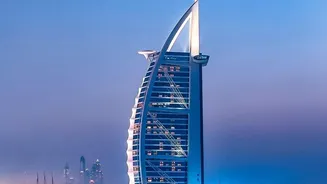
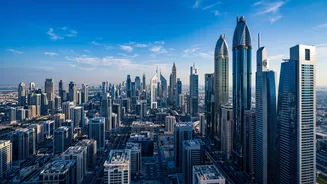
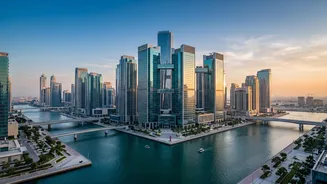
market access. Dubai has actively positioned itself to be that base. Its appeal isn't just its prime geographical location at the crossroads of Asia, Europe, and Africa; it's the result of a deliberate, multi-year effort to build an ecosystem that supports rapid scaling. The strengthening economic relationship between India and the UAE, solidified by the Comprehensive Economic Partnership Agreement (CEPA), has made this pathway even more seamless. The results are tangible: in the first half of 2026 alone, thousands of new Indian companies registered in Dubai, bringing the total to over 85,000.
A Bridge Built by Governments
This movement is not happening in a vacuum. Both governments are actively building a startup corridor. Initiatives like the India-UAE Startup Bridge, launched in 2022, aim to connect the two ecosystems by facilitating knowledge exchange and joint programs. More concretely, programs like the UAE-India Start-up Series, now in its second iteration, are identifying high-potential Indian startups and providing direct support. This includes funding opportunities, such as access to cash and in-kind incentives via Abu Dhabi's Hub71 tech ecosystem, mentorship, and introductions to investors. The focus is on sectors like FinTech, HealthTech, and ClimateTech, aligning with the UAE's own innovation priorities.
Following the Money Trail
For any startup, access to capital is critical. Dubai is home to a significant concentration of the Middle East's venture capital funds and private wealth. In 2025, UAE startups raised approximately $2 billion, with Dubai-based companies accounting for the vast majority of tech funding. The ecosystem includes major regional VCs like Wamda Capital and Shorooq Partners, alongside a growing number of angel investors and family offices. To further fuel this, Dubai has launched dedicated funds like the $272 million Future District Fund and Oraseya Capital, a $136 million fund for tech startups. For Indian founders, free zones like the Dubai International Financial Centre (DIFC) offer attractive 'Innovation Packages' with reduced license fees and 100% foreign ownership, making entry more affordable.
Access to a Global Marketplace
While funding is a major draw, the primary motivation for many is access to new customers. A Dubai presence is seen as a launchpad into the wider Middle East, Africa, and even European markets. Being physically closer to these markets allows founders to build stronger relationships with regional partners and customers. The city's world-class infrastructure and status as a global business hub lend credibility. Furthermore, Dubai is actively trying to become a testbed for new technologies, particularly in AI, and is creating regulatory 'sandboxes' that allow startups to trial innovative products in a controlled environment. This provides an invaluable opportunity for Indian tech companies to validate their solutions for a diverse, international user base before a wider global rollout.
Not a Walk in the Park
Despite the opportunities, the path is not without its challenges. Dubai is a highly competitive and saturated market in many sectors. Founders often underestimate the true cost of setting up and operating, which extends far beyond the initial license fee to include visa costs, high living expenses, and the capital needed to survive the first year. Moreover, the business culture is different. What works in Mumbai may not resonate in Dubai, where success often depends on building relationships before trying to sell. Entrepreneurs must also navigate a new regulatory landscape, including VAT and corporate tax laws, which can be a significant change from a tax-free perception. Success requires thorough market research and a validated business plan, not just a good idea.