





Beyond the Hype: What Is Smart AI?
When we hear 'AI in education', it's easy to imagine futuristic robots teaching classes. The reality is far more practical and immediate. The current wave of 'smart AI' for educators refers to generative artificial intelligence platforms designed specifically
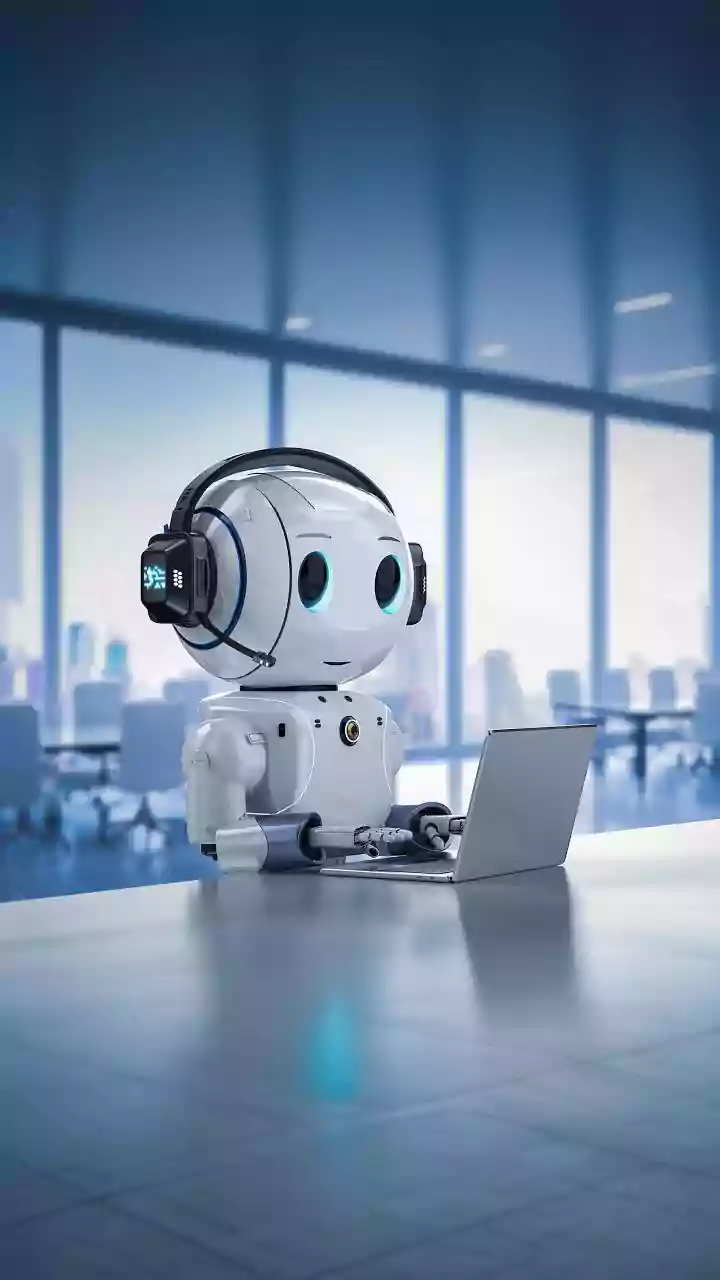
for teaching tasks. Think of them not as autonomous teachers, but as incredibly capable assistants. You provide a prompt—a request or a command in plain language—and the AI generates content based on its vast training data. These are not search engines that find existing information; they create new text, new questions, and new structures on command. For a busy teacher, this means turning a five-hour task into a five-minute one, with the teacher always in control of the final output.
Your New Lesson Planning Assistant
The most time-consuming part of a teacher's job often happens after school hours: lesson planning. This is where AI tools offer the most immediate relief. An educator can input a simple prompt like, “Create a 45-minute lesson plan for a Class 8 science class on the topic of photosynthesis, including learning objectives, a hands-on activity, and three assessment questions.” Within seconds, the AI can generate a structured plan. It's not meant to be used blindly. Instead, it serves as a robust first draft. The teacher can then refine it, add their unique pedagogical style, and tailor it to their specific students' needs. This process shifts the teacher's role from a content creator starting from scratch to a skilled editor and curator, saving precious hours every week.
Differentiating Instruction, Instantly
Every classroom in India has students with a wide range of learning abilities. Differentiating instruction to meet every child's needs is a pedagogical ideal but a logistical nightmare. AI can make this far more manageable. A teacher can take a standard reading passage and ask the AI to, “Rewrite this text for a Class 5 student with a lower reading level,” or “Create five more challenging questions based on this problem for advanced learners.” The software can generate varied materials almost instantly, allowing teachers to provide personalised support without spending an entire weekend creating multiple versions of every assignment. This helps bridge learning gaps and ensures that every student is appropriately challenged.
Automating the Administrative Burden
Beyond lesson planning, AI can tackle the mountain of administrative tasks that bog teachers down. This includes creating quizzes, worksheets, and rubrics. For example, a teacher could simply input a chapter from a history textbook and ask the AI to generate a 20-question multiple-choice quiz. Some platforms can even help with providing initial feedback on student writing, checking for grammar and structure, which allows the teacher to focus their own feedback on higher-order concepts like argumentation and analysis. By automating these repetitive but necessary tasks, AI frees up the teacher's mental energy to focus on building relationships with students and delivering engaging instruction in the classroom.
The Important Caveats and Concerns
While the potential is enormous, it's crucial to approach these tools with a critical eye. AI is a co-pilot, not the pilot. The content it generates can sometimes be inaccurate, superficial, or contain hidden biases from its training data. A teacher must always be the 'human in the loop,' verifying facts, checking for quality, and ensuring the material is culturally and contextually appropriate for their students. Furthermore, in the Indian context, access to reliable internet and devices remains a significant barrier. The effective use of these tools also requires training and a willingness to experiment. The goal is not to replace the professional judgment of educators, but to augment their capabilities, allowing them to work smarter, not harder.