





The Search for a Calmer Buzz
For decades, the afternoon coffee break has been an office ritual. Yet for many, that quick fix comes with a price: jitteriness, anxiety, and the inevitable energy crash that leaves you feeling more depleted than before. This cycle has professionals searching
for an alternative that provides focus without the frantic energy. Now, many are turning to matcha, a vibrant green powder with centuries of history in Japanese tea ceremonies. Its growing presence in office kitchens and coworking spaces signals a shift toward more mindful productivity, where sustained focus is valued over a short-lived jolt.
What Is This Green Elixir?
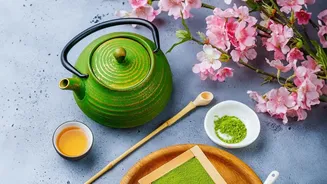
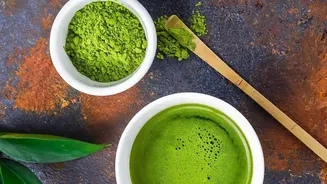
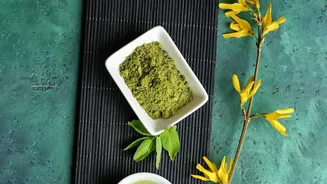
Matcha is a type of green tea, but it’s in a class of its own. Unlike traditional green tea, where leaves are steeped in hot water and then discarded, matcha is made from finely ground, whole tea leaves. The tea plants are shade-grown for several weeks before harvest, which boosts their chlorophyll content and increases the production of amino acids. This process gives matcha its brilliant green hue and a unique, slightly savory flavor profile known as umami. By consuming the entire leaf, you get a more concentrated dose of the nutrients and compounds that make green tea so celebrated, including powerful antioxidants.
The Science of a Focused Mind
The secret to matcha's unique effect lies in its two key compounds: caffeine and L-theanine. While matcha does contain caffeine, often less than a standard cup of coffee, it is the presence of L-theanine that changes the entire experience. L-theanine is an amino acid that promotes the production of alpha brain waves, which are associated with a state of relaxed alertness—the same state often achieved during meditation. This powerful combination delivers what many describe as "calm alertness." The L-theanine smooths out the sharp edges of the caffeine, counteracting the jitters and anxiety while allowing the focus-enhancing benefits to shine through. Studies have shown that this synergy can improve attention, reaction time, and memory, making it ideal for cognitively demanding tasks.
Matcha vs. Coffee: The Afternoon Showdown
When that afternoon slump hits, the choice between matcha and coffee is a choice between two different kinds of energy. Coffee delivers a fast and powerful spike in alertness, which can be useful when you need an immediate boost. However, its energy curve often leads to a sharp crash a few hours later. Matcha, by contrast, provides a gentler, more sustained energy lift that can last four to six hours. The slower release of caffeine, modulated by L-theanine, means you get a steady stream of focus without the subsequent drop-off. Many who switch report feeling more productive and creative, with a clear mind rather than a racing one.
A Ritual for the Modern Workday
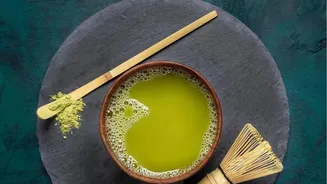
Beyond its chemical properties, part of matcha's appeal is the ritual itself. The act of preparing matcha—sifting the powder, adding hot water, and whisking it into a frothy beverage—can be a mindful pause in a hectic day. Unlike grabbing a quick coffee, making matcha encourages a moment of intentionality. This simple ritual can serve as a mental reset, helping to reduce stress and improve concentration before you even take the first sip. It's a small act of self-care that fits perfectly into the modern pursuit of a healthier work-life balance.
How to Get Started at the Office
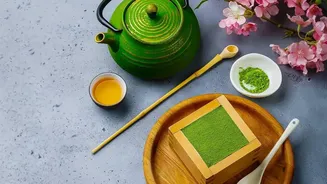
Bringing the matcha ritual to your desk is surprisingly simple. For a basic preparation, you only need high-quality matcha powder (ceremonial grade is best for drinking), a bowl, and a small whisk. A traditional bamboo whisk, or 'chasen', is ideal, but a small electric milk frother works just as well. Sift about a teaspoon of matcha into your bowl to remove clumps, add a couple of ounces of hot (not boiling) water, and whisk vigorously in a zigzag motion until it's smooth and frothy. You can then top it with more water or steamed milk for a latte. Many brands now even offer pre-portioned sticks for on-the-go convenience.