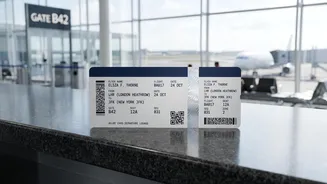








Come January 1, 2027, the way you book flights in India is set for a major overhaul. The government has notified the new Bharatiya Vayuyan Niyam, 2026, replacing a nearly 90-year-old law and ushering in a new era of transparency for passengers.
A New Era of Fare Transparency
The single
most significant change for passengers is the mandate for fare transparency. Under the new rules, airlines must provide a clear and detailed breakdown of the total ticket price at the time of booking. This means the price you see will have to explicitly show the base fare, taxes, any applicable airline fees, cancellation charges, and the specific refund conditions. This move is designed to eliminate the surprise of hidden costs that often appear only at the final payment stage. The Directorate General of Civil Aviation (DGCA) will monitor these tariffs to ensure compliance.
What 'All-Inclusive' Really Means
The new framework requires airlines to publish their tariffs on their websites and other digital platforms, ensuring wider public awareness. When you book a ticket, the total amount payable must be displayed upfront. This total must be broken down to show every component separately. This includes not just the base fare but also government taxes, fees for services, and crucially, any charges related to cancellation or changes. This enhanced transparency aims to empower you, the passenger, allowing for a more straightforward comparison of prices across different airlines before you make a final booking decision.
Government Intervention in 'Extraordinary Situations'
While India's aviation sector operates on a market-based system where airlines set their own prices, the new rules introduce a provision for government intervention. The Central Government will have the power to issue directions on airfares if it determines that an 'extraordinary situation' has arisen and action is necessary for the public interest. The rules, however, do not specify what constitutes such a situation, leaving it to the government's discretion. This power is intended to be a temporary measure and does not mark a return to permanent fare caps; airlines will continue to set their prices based on market dynamics in normal circumstances.
Beyond Fares: A Comprehensive Overhaul
The Bharatiya Vayuyan Niyam, 2026, is more than just about fares. It replaces the colonial-era Aircraft Rules, 1937, with a modern, comprehensive framework covering the entire civil aviation sector. This includes updated standards for aircraft registration, manufacturing, airworthiness certifications, and regular safety inspections. Furthermore, it introduces stringent licensing and qualification requirements for pilots, maintenance engineers, and air traffic controllers to bolster safety. Provisions to manage fatigue among pilots and cabin crew through flight and duty time limitations are also a key part of the new regulations, enhancing overall operational safety.
What This Means for Your Next Booking
For travel from January 2027 onwards, the booking process will look different—and hopefully, clearer. You can expect to see a full price breakdown on airline websites and travel portals from the first step. Pay close attention to the newly detailed cancellation and refund conditions before you confirm your payment. While these rules aim to prevent fare shocks, keep in mind that dynamic pricing is still the norm. The key benefit is that you will have all the information you need to make an informed choice, free from the frustration of last-minute fees.