



Understanding Plant-Based Iron
Iron comes in two forms: heme and non-heme. Heme iron, found in animal products like meat and poultry, is easily absorbed by the body. Plant-based foods such as lentils, beans, spinach, and millets contain non-heme iron, which is less bioavailable, meaning
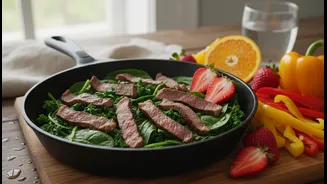
the body finds it harder to absorb. This is why vegetarians need to be more strategic. It's estimated that only 2-20% of non-heme iron is absorbed by the body, compared to 15-35% of heme iron. But the good news is you can significantly improve absorption of non-heme iron with the right dietary techniques.
Vitamin C: Your Iron Absorption Ally
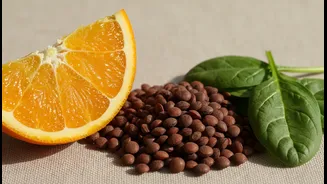
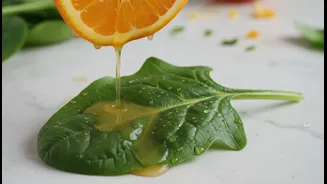
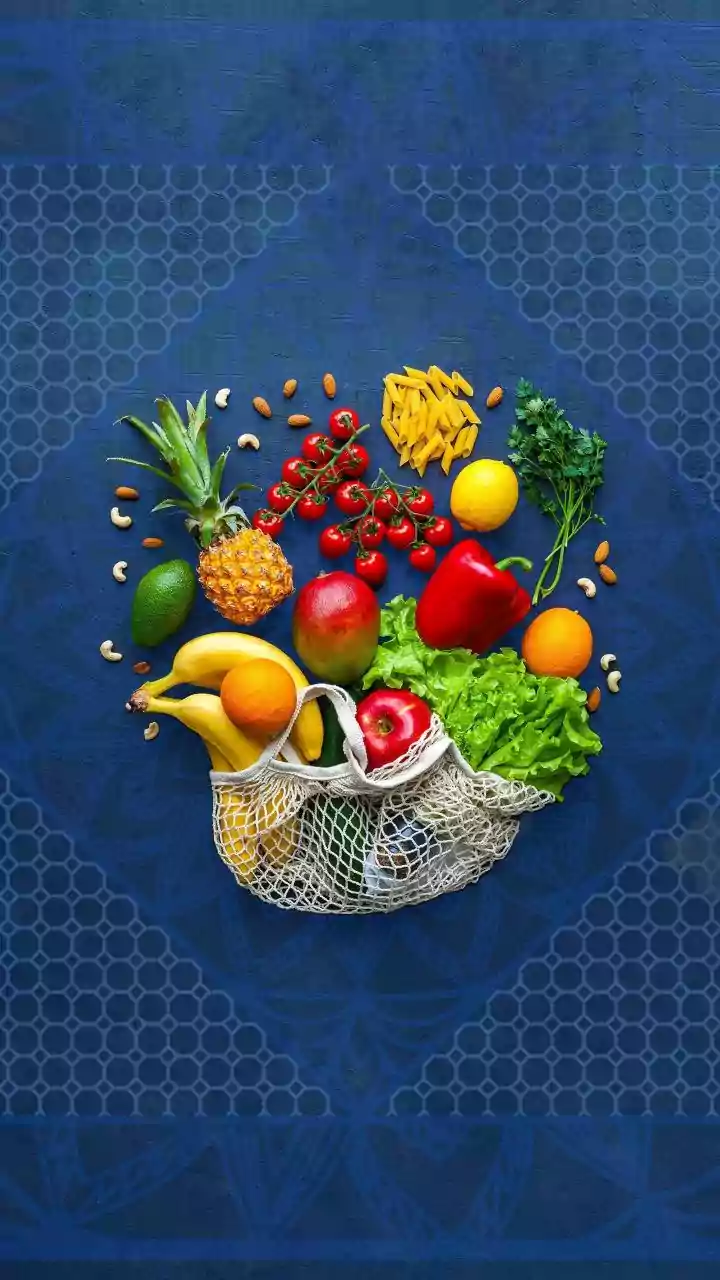
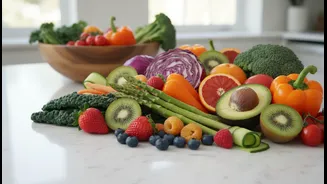
The single most powerful enhancer of non-heme iron absorption is Vitamin C. When eaten in the same meal, Vitamin C captures non-heme iron and converts it into a form that is much easier for your body to absorb. This effect is so significant that it can help overcome some of the natural inhibitors found in plant foods. Excellent sources of Vitamin C readily available in India include citrus fruits like lemons and oranges, amla, guava, tomatoes, and bell peppers (capsicum). A simple squeeze of lemon juice over your dal or salad can work wonders.
Smart Food Pairings for Your Plate
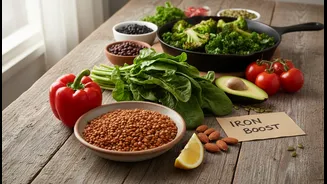
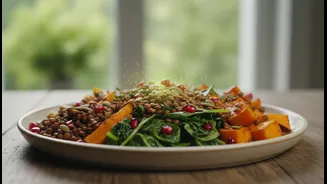
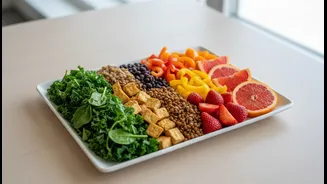
Putting this science into practice is simple and delicious. The goal is to combine an iron-rich plant food with a Vitamin C-rich food in the same meal. Think of classic Indian dishes that already do this naturally. A chickpea (chana) curry, rich in iron, is almost always made with a tomato base, which provides Vitamin C. Similarly, a spinach (palak) dish is often served with a wedge of lemon. Here are some effective pairings: - Lentils (dal) with tomatoes and a squeeze of lime. - Rajma (kidney beans) cooked in a tomato-based gravy. - Spinach or other leafy greens in a salad with bell peppers and a citrus dressing. - Millet rotis or dosa served with sambar (which contains lentils and vegetables like tomatoes). - A bowl of oats topped with fresh strawberries or orange slices.
Beware of Iron Inhibitors
Just as some nutrients boost absorption, others can block it. It's wise to be mindful of these inhibitors, especially during your iron-rich meals. The main culprits are phytates, tannins, and calcium. - Tannins: These compounds, found in tea and coffee, can significantly reduce iron absorption. Try to avoid drinking tea or coffee with or immediately after your main meals. Leave a gap of at least an hour or two. - Phytates: Present in whole grains, legumes, nuts, and seeds, phytates can bind to iron and prevent its absorption. Soaking, sprouting, or fermenting legumes and grains before cooking can help reduce their phytate content. - Calcium: While essential, calcium competes with iron for absorption. This means consuming dairy products like milk, cheese, and yogurt, or calcium-fortified foods at the same time as your main iron source might reduce uptake. It's better to enjoy your glass of milk or bowl of yogurt as a separate snack between meals.