



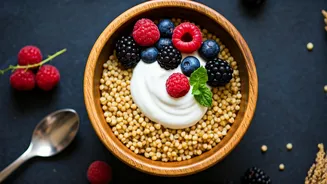


1. Jowar (Sorghum)
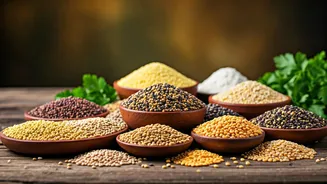
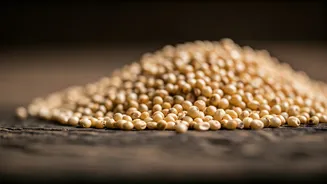
Often called the “new quinoa,” jowar has been a staple in India for centuries. This gluten-free grain is a powerhouse of nutrients. It is particularly rich in protein and fibre, which aids digestion and helps keep you feeling full for longer. Compared
to ragi, which is a champion for calcium, jowar offers a higher protein content, making it excellent for muscle maintenance and overall energy. Its mild, slightly earthy flavour makes it incredibly versatile. You can use jowar flour to make soft rotis, cheelas, or even bake with it. Because it helps stabilize blood sugar levels, it's a fantastic choice for those managing their weight or looking for sustained energy without the crash.
2. Bajra (Pearl Millet)
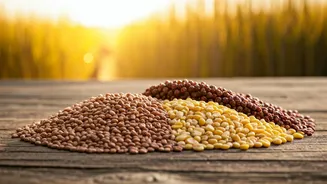
If you're looking for an energy boost, look no further than bajra. This millet is known for its warming properties, making it a popular choice in winter, but its benefits are great year-round. Bajra is incredibly rich in iron, magnesium, and protein, which helps combat fatigue and is essential for metabolic health. While ragi is superior for bone health due to its high calcium content, bajra is the winner when it comes to fighting anaemia with its impressive iron levels. It has a distinct nutty and slightly bitter taste that pairs beautifully with traditional Indian accompaniments. Use bajra flour to create hearty rotis, flavourful khichdi, or a comforting porridge.
3. Amaranth (Rajgira)
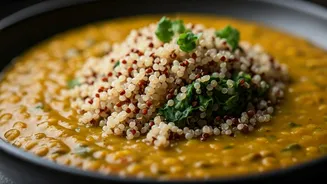
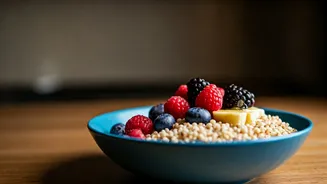
Though it's often used during fasting periods, rajgira, or amaranth, deserves a regular spot in your pantry. Technically a pseudocereal (a seed used like a grain), amaranth is gluten-free and a rare source of complete plant-based protein, containing all the essential amino acids. It has an earthy, nutty flavour and is packed with protein, fibre, and antioxidants. Unlike millets, amaranth seeds can be popped like corn to be used in snacks or milled into flour. The flour is perfect for making soft parathas (often mixed with boiled potato for binding), puris, or as a thickener for soups and curries like kadhi.
4. Foxtail Millet (Kangni/Thinai)
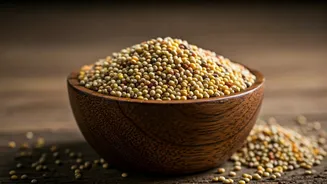
One of the oldest cultivated millets, foxtail millet is celebrated for being light on the stomach and easy to digest. This tiny grain is rich in dietary fibre, protein, and essential minerals like iron and magnesium. Its high fibre content promotes satiety, which is beneficial for weight management, and it helps regulate blood sugar levels due to its low glycemic index. Foxtail millet has a mild, slightly sweet taste and can be used as a healthy substitute for rice in dishes like pulao, upma, and even sweet pongal. It cooks up fluffy and light, making it a versatile base for a wide range of vegetable-forward dishes.
5. Buckwheat (Kuttu)
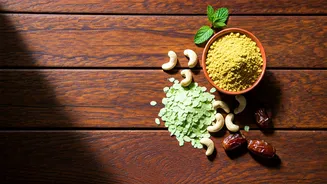
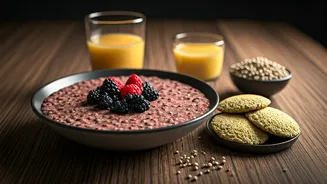
Another fasting favourite that shouldn't be reserved for special occasions is buckwheat, or kuttu. Despite its name, it's not a type of wheat; it's a gluten-free seed packed with nutrients. Kuttu is an excellent source of high-quality protein, fibre, and minerals like magnesium. It is particularly noted for its compound, rutin, an antioxidant that supports heart health by improving circulation and lowering cholesterol. With its robust, nutty flavour, kuttu flour is traditionally used to make puris, cheelas, and dosas. Its low glycemic index makes it another great option for blood sugar management, providing steady energy that lasts.