






A Conscious Consumer Shift
As Indians become more aware of their environmental footprint, the demand for sustainable products is surging. This isn't just about reusable coffee cups; it's about rethinking seasonal necessities, including how we prepare for the rain. Consumers are increasingly
looking for products that are not only effective but also ethically made and less harmful to the planet. This shift is driven by a desire to reduce plastic waste and support brands that prioritize environmental responsibility. The market for green technology and sustainable products in India is growing rapidly, reflecting a broader change in consumer values and purchasing habits.
Rainwear Reimagined: Beyond Plastic
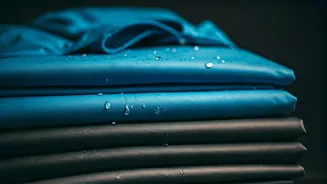
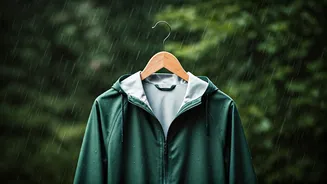
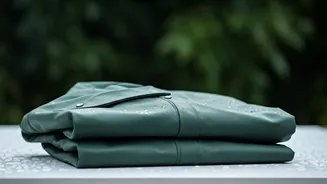
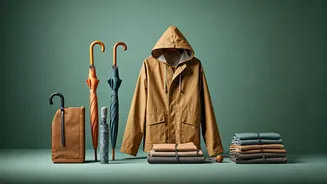
The quintessential raincoat, often a single-use or short-lived plastic item, is getting a significant upgrade. A new generation of brands is crafting rain jackets and ponchos from innovative, sustainable materials. Many are using recycled PET (rPET), a fabric made from discarded plastic bottles, turning a major pollutant into a practical solution. These garments are not only waterproof but also durable, designed to last multiple seasons and reduce the cycle of waste. Some brands are also exploring organic cotton with a PFC-free water-resistant coating, offering a breathable, non-toxic alternative to conventional synthetics. This focus on material science means your rain protection can now be both effective and eco-conscious.
The Eco-Friendly Umbrella
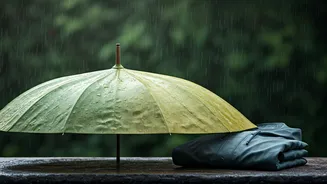
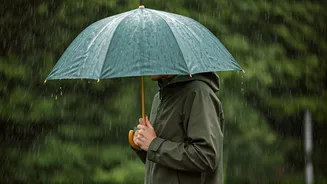
The humble umbrella is also receiving a sustainable makeover. Instead of flimsy metal and virgin plastic, brands are turning to more renewable resources. Handles crafted from bamboo, a fast-growing and biodegradable material, are becoming a hallmark of eco-friendly design. The canopies are also changing, with many now made from recycled PET fabric, just like their raincoat counterparts. These umbrellas are often built with stronger frames, featuring materials like fiberglass, to ensure they withstand gusty winds and don't end up in a landfill after one storm. The focus is on longevity and responsible materials, making a sustainable umbrella a wise investment for many monsoons to come.
Footwear for Puddles and Planet
Monsoon footwear has always been about function, but now it’s also about sustainability. Traditional rubber and plastic footwear is being challenged by greener alternatives. Cork, a renewable and biodegradable material, is being used to create lightweight and water-resistant sandals that offer excellent grip on wet surfaces. Another key material is EVA (ethylene-vinyl acetate), which is being used to craft durable, waterproof, and quick-drying footwear perfect for navigating rainy streets. Unlike fabrics that get waterlogged, these modern materials are designed for open constructions that drain instantly and dry in minutes, preventing the mould and odour common in the humid monsoon climate.
Waterproof Bags with a Purpose
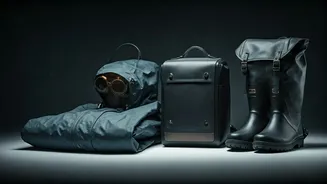
Protecting your belongings during a downpour is a top priority, and sustainable bags are rising to the occasion. Brands are now offering a range of waterproof backpacks, totes, and slings made from recycled materials. Similar to rainwear, recycled polyester is a popular choice, providing a durable and water-resistant shell that keeps laptops, phones, and wallets safe and dry. These bags often feature thoughtful designs with sealed seams and multiple compartments, proving that you don't have to sacrifice style or functionality to make an eco-friendly choice. By opting for a bag made from recycled content, you're not only weather-proofing your commute but also contributing to a circular economy.