


The End of the Anonymous Home
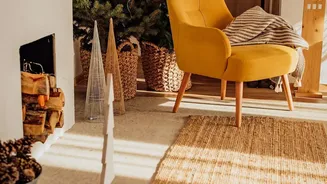
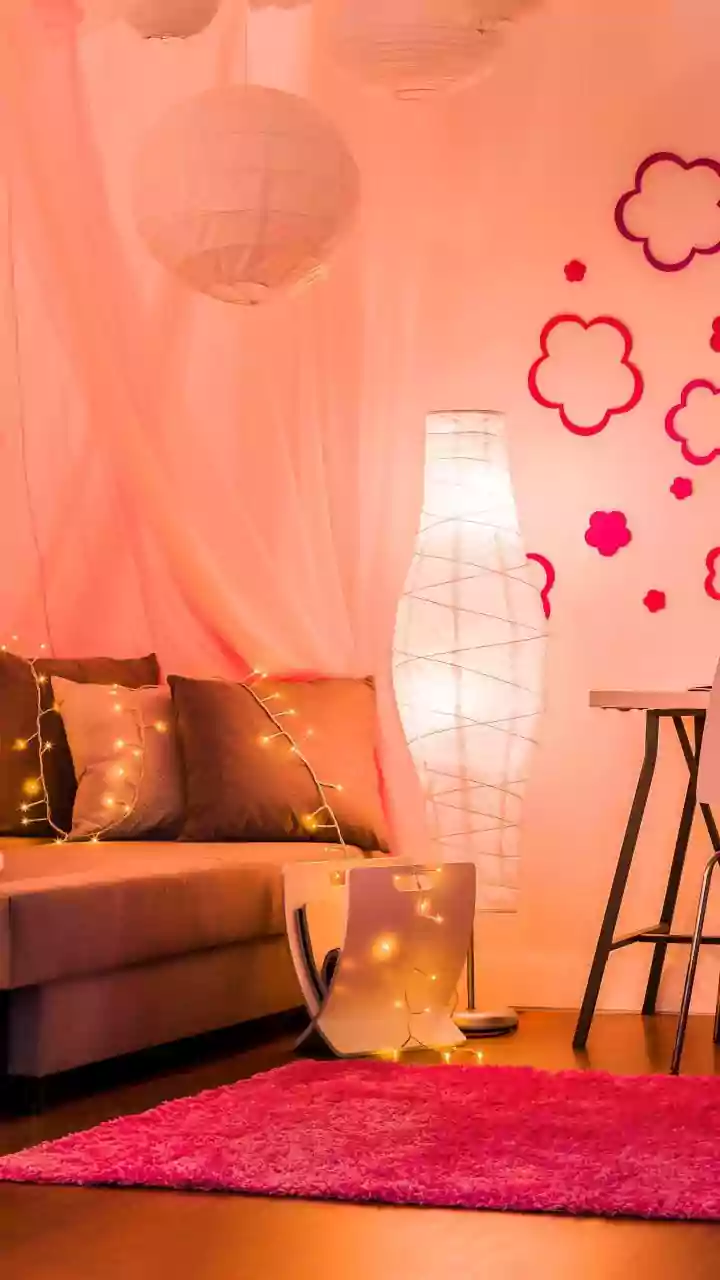
For years, the goal for festive decor was a kind of flawless, glossy perfection, easily replicable from a high-end store catalogue. Matching cushion sets, uniform lighting, and mass-produced ornaments created homes that were beautiful but often anonymous.
This 'showroom look' offered a clean, aspirational aesthetic but lacked a personal touch. Now, a distinct shift is underway. Homeowners across India are increasingly rejecting this one-size-fits-all approach. The focus is moving from creating a space that looks styled for a photograph to one that feels authentic and lived-in, even during the peak of celebrations.
What 'Personal' Actually Looks Like
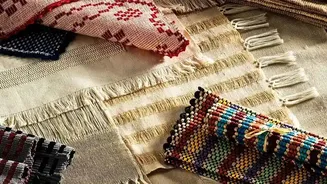
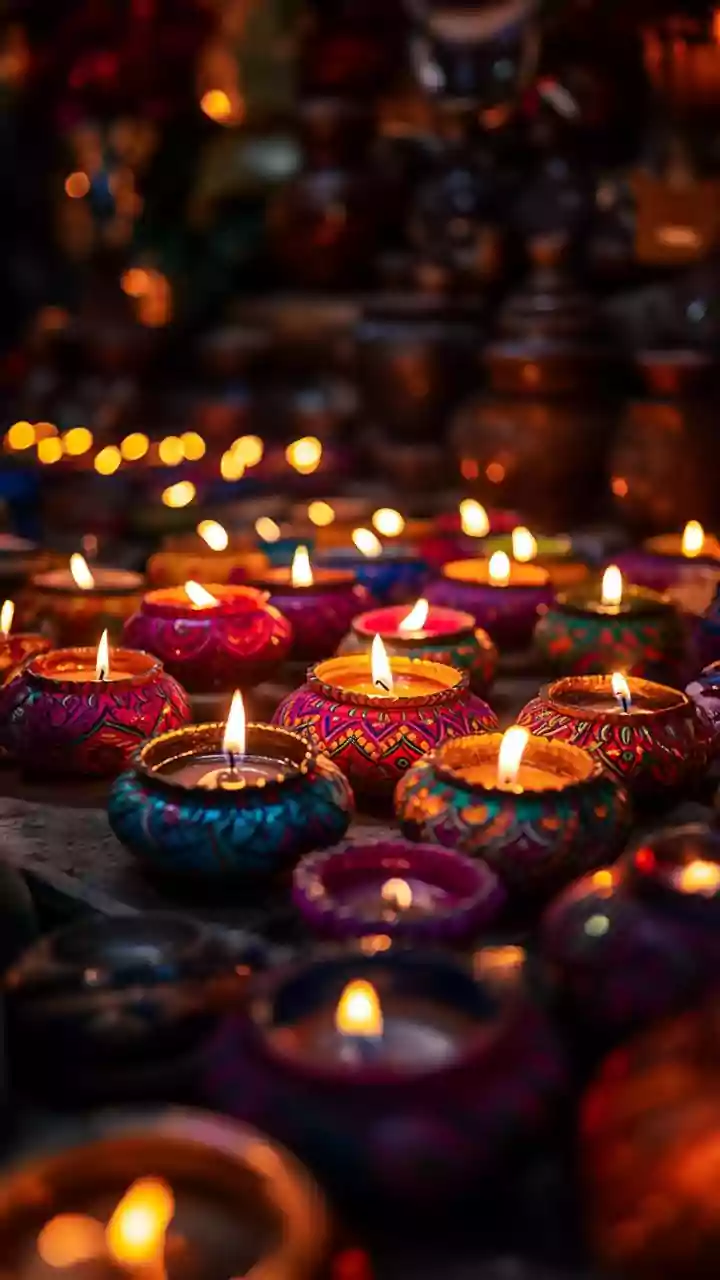
So what is replacing the showroom aesthetic? The new festive interior is a rich tapestry woven from individual stories and meaningful objects. It’s about bringing out grandmother's vintage Kanjeevaram sari and repurposing it as a stunning table runner or wall hanging. It means displaying a collection of brass lamps inherited and collected over generations, each with its own history. It's about creating rangoli not with synthetic powders, but with fresh flower petals, rice, and pulses from the kitchen, a nod to both tradition and nature. Instead of identical store-bought diyas, people are opting for hand-painted terracotta lamps, upcycled coconut shells, or even hollowed-out orange peels that fill the air with a citrus scent. This trend is about 'mindful minimalism'—not empty spaces, but rooms filled with fewer, more intentional pieces that carry emotional weight.
Driven by Authenticity and Nostalgia
This movement is fueled by a deeper desire for connection and authenticity. In a fast-paced, globalised world, decorating the home for festivals has become an act of reclaiming personal and cultural identity. Displaying heirloom pieces, like a vintage wooden chest or a traditional painting, is a way to honour family history and create a tangible link to the past. It's a conscious choice to build a home's festive character slowly, over years, rather than buying a new 'look' every season. This approach sees the home not as a static display but as an evolving narrative, where every object has a story and contributes to a sense of belonging. The result is a space that feels uniquely comforting and deeply rooted in family memory.
Sustainability Meets Sentimentality
The trend towards personalization is beautifully intertwined with a growing consciousness around sustainability. Many of the most personal touches are also the most eco-friendly. Choosing to create DIY decorations from recycled materials—like making 'torans' (door hangings) from old greeting cards or fabric scraps—reduces waste and adds a unique, handcrafted charm. Upcycling glass jars into candle holders or using old textiles for gift wrapping are other popular examples. This approach doesn't just make environmental sense; it infuses the decor with effort and love, making it more valuable than the most expensive store-bought item. This blend of sentimentality and sustainability is creating a new definition of festive luxury, one that values creativity and conscience over consumption.
Making Your Festive Decor Your Own
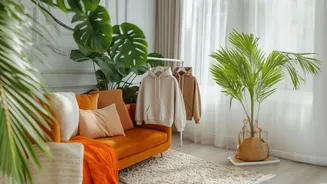
Embracing this trend doesn't require a complete overhaul. Start small by focusing on one corner or one tradition. Look for items you already own that tell a story—be it a collection of brass bells, old family photographs, or hand-embroidered textiles. Instead of hiding away slightly worn heirlooms, find a way to showcase them. A vintage sari can be draped over a modern sofa, or a traditional wooden panel can become a striking piece of wall art in a minimalist living room. Mix these personal elements with simple, natural decor like fresh flowers and earthen diyas. The goal is not perfection but personality. Let your home reflect your journey, your heritage, and the joy of the season in a way that is unmistakably yours.