

The End of the Off-Season
For decades, the Indian travel calendar was predictable: summer for the mountains, winter for the beaches, and monsoon as a quiet off-season. That pattern is officially broken. Recent travel industry reports show a staggering 140% year-on-year increase
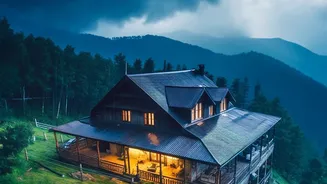
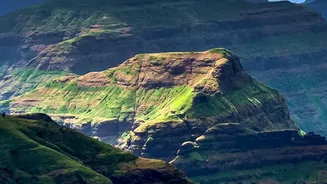
in bus bookings during the monsoon season, with hotel bookings also jumping by nearly 54%. This isn't just about off-season discounts anymore; it's a fundamental shift in how Indians perceive leisure. Travellers are now intentionally planning getaways to experience rain-washed landscapes, from the misty hills of the Western Ghats to the vibrant greens of the Northeast. This trend has transformed the monsoon from a travel industry lull into a powerful new peak season, driven by a desire for shorter, more frequent, nature-based breaks.
Why Buses Are the Monsoon Favourite
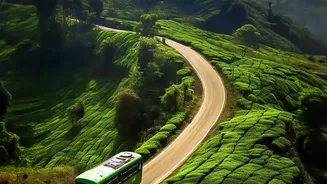
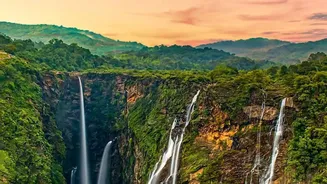
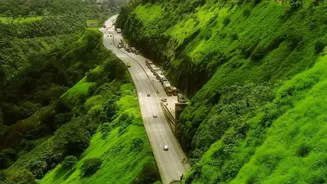
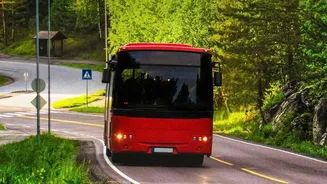
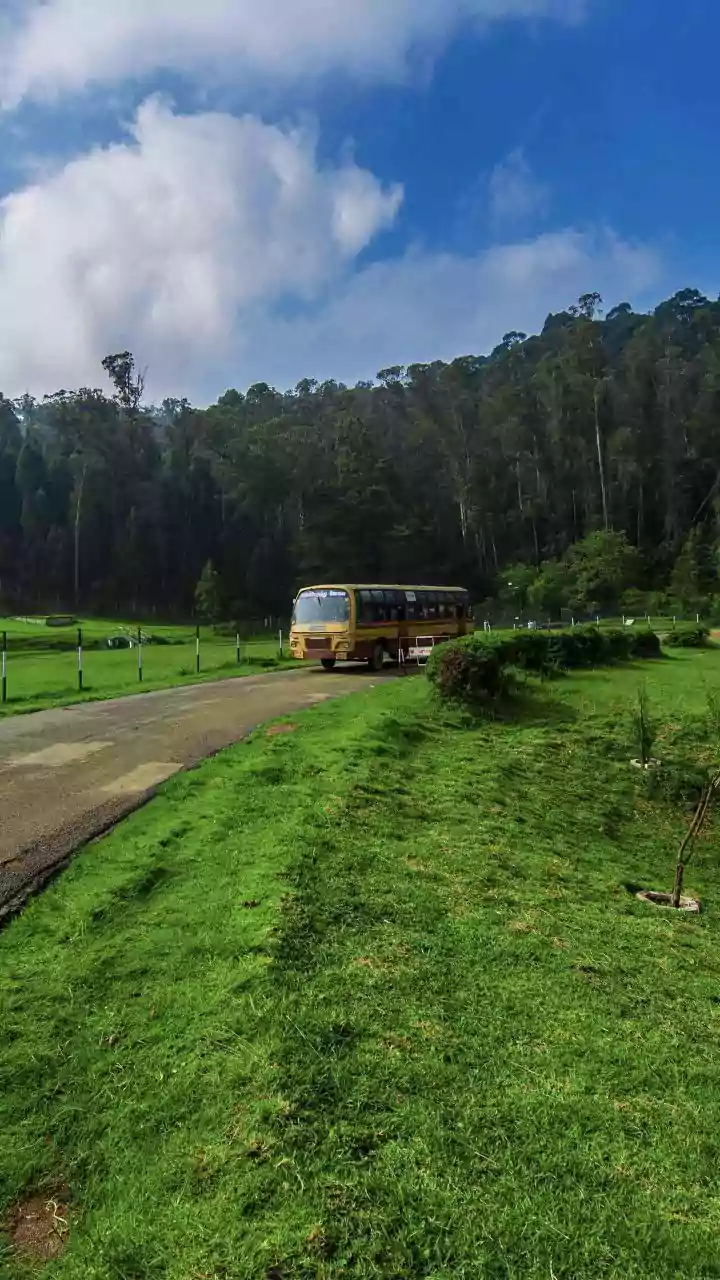
The dramatic spike in bus travel highlights a growing preference for road trips to savour the journey itself. Buses offer distinct advantages during the rains. They provide last-mile connectivity to destinations that may be difficult to reach by train or flight, especially in hilly terrain. Modern AC sleeper and Volvo services make even long overnight journeys comfortable, allowing travellers to wake up to misty mountain views. For many, the appeal lies in the journey itself—watching the countryside transform, with waterfalls appearing on previously bare rock faces and fields turning a vibrant green. It’s a cost-effective and convenient way to access popular monsoon circuits, with frequent services from major hubs like Mumbai, Bengaluru, and Delhi to nearby scenic getaways.
The Digital Downpour Driving Demand
Technology is a major catalyst for this trend. Online travel agencies (OTAs) have made planning a spontaneous monsoon trip easier than ever. Platforms like Cleartrip, AbhiBus, and ixigo are not just facilitating bookings; they are actively promoting monsoon travel through curated packages, discounts, and social media campaigns that showcase the beauty of destinations in the rain. With over 70% of travel bookings now happening online in India, the ability to compare routes, check real-time availability, and book a ticket in minutes has empowered a new generation of travellers. This digital ecosystem has also brought lesser-known destinations and smaller local operators to a national audience, democratising travel and fuelling exploration beyond the usual hotspots.
Chasing the Rains: Top Monsoon Routes
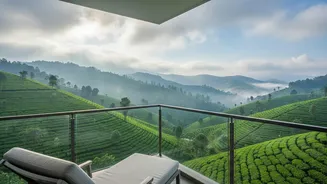
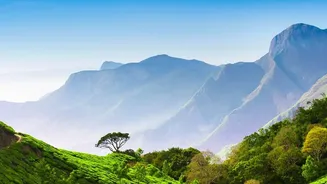
While destinations across the country are seeing a rise in visitors, a few key regions have emerged as monsoon favourites for bus travellers. In the west, routes from Mumbai and Pune to Lonavala and Mahabaleshwar are incredibly popular for their dramatic valley views and overflowing dams. Lonavala alone has seen bookings jump by over 100%. In the south, destinations in the Western Ghats are a major draw. Routes from Bengaluru and Chennai to Coorg, Munnar, Ooty, Kodaikanal, and Wayanad are buzzing with travellers eager to see the tea plantations and coffee estates enveloped in mist. Munnar and Wayanad have seen booking growth of over 100%. Further north, hill stations like Rishikesh, Manali, and Nainital are easily accessible by bus from Delhi, offering views of the rain-washed Himalayan foothills. Even the Northeast, particularly Nagaland and Arunachal Pradesh, has seen a surprising surge in interest.
What It Means for Travellers and Economies
This trend signifies a more discerning Indian traveller—one who seeks experiences over checklists and is willing to embrace the unpredictability of the monsoon for the reward of fewer crowds and stunning landscapes. For local economies in these destinations, the shift is a welcome boon. What was once a lean period with minimal income is now a steady revenue stream, supporting hotels, restaurants, and local businesses. While traditionally a time for lower tariffs, the sustained demand means prices in popular spots like Goa are becoming more resilient even during the rains. This year-round tourism helps create more stable employment and encourages investment in better infrastructure. As more Indians choose to chase the monsoon, it's clear that the rhythm of travel in the country has changed for good.