






A Crisis of Unseen Losses
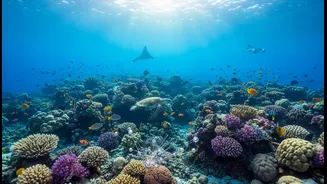
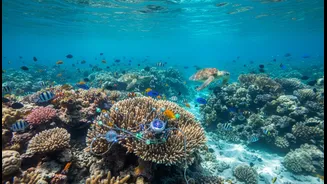
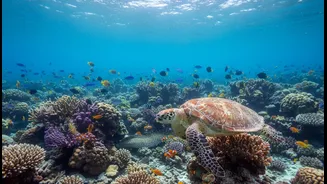
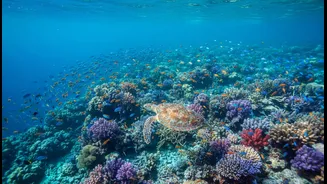
Recent years have been catastrophic for marine life. We are witnessing the fourth global coral bleaching event, the most widespread ever recorded, which has already impacted a vast majority of the world's reefs, including those in the Indian Ocean. This
isn't just about coral; chronic ocean heating is causing fish populations to decline, and marine heatwaves are becoming more frequent and intense. Critical ecosystems like mangroves and seagrass beds are deteriorating, and pollution, from plastics to industrial runoff, is creating vast 'dead zones' where oxygen is too low to support life. A recent UN assessment described the situation as a "deepening crisis" driven by the cumulative impact of climate change, overfishing, and pollution.
Operating in the Dark
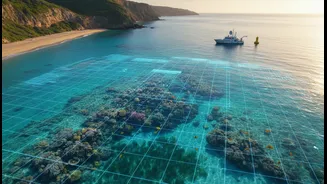
A key reason this crisis has escalated is that we are effectively flying blind. While satellites give us a good picture of the ocean's surface, more than 80% of the ocean remains unexplored and unmapped. Direct observations cover as little as 3% of the total ocean. Our understanding of what happens in the deep ocean, which plays a crucial role in regulating our climate, is especially poor. Scientists argue that without comprehensive data on where species are located, how ecosystems are changing, and which human activities cause the most harm, our conservation efforts are severely hampered. We cannot protect what we do not properly measure.
The Call for a 'Digital Ocean'
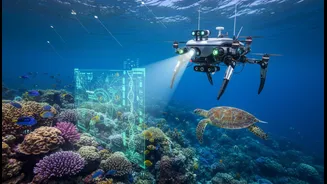
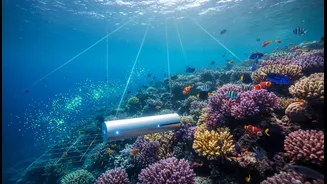
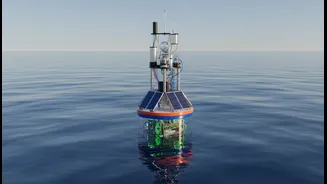
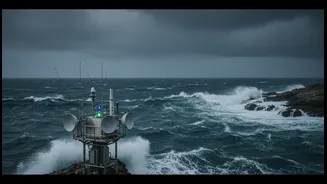
The scientific community is calling for a technological revolution in oceanography. This involves deploying a new generation of sensors and autonomous platforms to gather data from the surface to the seafloor. Technologies like robotic submarines (AUVs), marine drones, and smart buoys can monitor water chemistry, temperature, and track marine life in real-time. The goal is to create a 'digital ocean' where vast amounts of data are integrated and analysed using Artificial Intelligence (AI) to produce accurate, predictive models of ocean health. This would allow for early warnings of events like heatwaves and help pinpoint the sources of pollution and illegal fishing.
Why This Matters for India
For India, with its 7,500-kilometre coastline and heavy reliance on the sea, these global issues have direct and severe consequences. The health of the Indian Ocean is inextricably linked to the monsoon, which is the lifeblood of the nation's agriculture. A decline in phytoplankton, the base of the marine food web, has already been observed in the western Indian Ocean. This, combined with overfishing and habitat degradation, threatens the livelihoods of millions of people in coastal communities who depend on the fisheries industry. Furthermore, better ocean data is critical for protecting coastal cities from sea-level rise and forecasting the intensity of cyclones, making this a matter of national security and economic stability.