







Meet the Haritha Karma Sena
They are officially known as the Haritha Karma Sena (HKS), or 'Green Action Force', a professional team tasked with creating a garbage-free Kerala. Comprised mainly of women from the Kudumbashree self-help group network, these trained 'Green Technicians'
are more than just waste collectors. They are the grassroots agents of the state's ambitious waste management policy. Formed to manage the door-to-door collection of non-biodegradable waste for a nominal user fee, their role has expanded significantly. They are now central to a system designed to turn waste into a resource, with collected materials being segregated and sent for recycling, including plastics that are shredded for road tarring. The HKS operates in partnership with local self-governments, the Suchitwa Mission, and the Clean Kerala Company, forming a comprehensive network aimed at overhauling waste handling at its source.
The Source of the Confusion
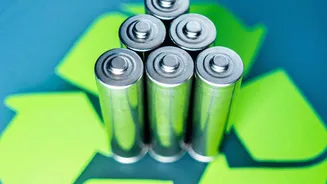
The confusion for many citizens stems from recent changes in waste management regulations. In early 2026, Kerala began enforcing the new central government Solid Waste Management Rules, which supersede the previous 2016 framework. These rules mandate a stricter four-category segregation of waste at the source: wet (biodegradable), dry (recyclable), sanitary, and a new category of domestic hazardous waste. This fourth category, which includes items like used bulbs, batteries, and expired medicines, has introduced a new layer of complexity for households. While officials state that Kerala has been practising multi-level segregation for years, the formal implementation of these new, stricter rules, complete with penalties under the 'polluter pays' principle, has left many residents seeking clarity on what goes where and when it will be collected. The High Court has also noted challenges in the system, including illegal dumping and the need for better monitoring of collection agencies.
Bridging the Information Gap
This is where the Green Marshals' primary role comes into focus. Their mandate extends beyond collection to include education and awareness. As part of their duties, HKS members visit hundreds of households, not just to pick up waste but also to explain the new four-category segregation system directly to residents. They clarify which items belong in each bin, explain the collection schedule, and reinforce the importance of not mixing different types of waste. This direct, door-to-door engagement is designed to be far more effective than public service announcements alone. By serving as a direct point of contact, they can answer specific questions, address concerns, and build community participation, transforming their role from a simple service provider to that of an environmental educator and community facilitator.
More Than Just Guidance
While education is key, the Green Marshals are also empowered to ensure compliance. The new rules grant them more authority to enforce waste management protocols at the household level. This includes ensuring that waste is properly segregated before collection and that households are paying the mandatory user fees. While the term 'Marshal' might suggest a purely enforcement-driven role, the approach is layered. In a separate but related initiative focused on tourism, the government is also deploying 'Green Marshals' in popular destinations like Munnar and Kovalam to tackle littering and promote responsible behaviour among tourists, indicating a statewide push towards proactive environmental stewardship. For the residential Haritha Karma Sena, their authority is a backstop to their primary mission of education, ensuring that the system functions for everyone and that the 'polluter pays' principle is upheld when necessary.