




Safety Above All Else
Before you choose a stylish pet bed, do a safety sweep of your home from your pet's perspective. Are there dangling electrical cords they might chew on? Secure them with cable organisers or conceal them behind furniture. Many common houseplants, like
lilies and money plants, are toxic to cats and dogs. Opt for pet-safe alternatives like areca palms or spider plants. In city apartments, balconies and windows are a major hazard. Ensure you have strong mesh or grilles installed. Finally, keep cleaning supplies, human medications, and toxic foods like chocolate and onions stored securely in high cabinets, far out of reach of curious paws and noses.
Flooring and Furniture Fundamentals
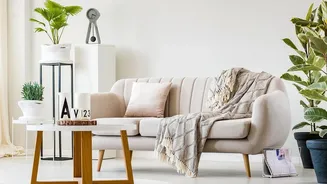
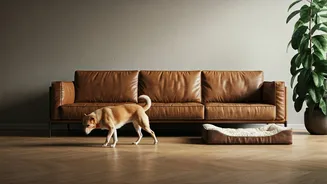
Your pet spends most of its life on your floors, so choose wisely. While plush carpets feel nice, they are a magnet for fur, dander, and stains, and can be difficult to truly clean. Instead, consider durable and non-porous options like vitrified tiles or high-quality laminate. These are easy to wipe clean after muddy monsoon walks and don't trap odours. For furniture, look for tightly woven fabrics like canvas, denim, or microfiber, which are more resistant to claws and easier to clean. Leather can be wiped clean but scratches easily. A simple, washable throw or a dedicated furniture cover can save your sofa from wear and tear while giving your pet a designated spot to relax.
Designated Zones for Well-being
Pets, like people, thrive on routine and personal space. A 'cute corner' is a good start, but think bigger. Create distinct zones for their needs. Their food and water bowls should be in a quiet, low-traffic area where they won’t be disturbed while eating. Their bed or crate should be a safe den—a cosy, sheltered spot where they can retreat and feel secure. This shouldn't be in the middle of a busy hallway. For cats, a litter box should be in a private but accessible location, far away from their food and water. Having these dedicated, predictable zones reduces stress and helps your pet feel more at home.
Combatting Boredom with Enrichment
A bored pet is often a destructive pet, especially for those living in apartments with limited outdoor time. A truly pet-friendly home stimulates their mind. For dogs, this means a steady supply of puzzle toys, treat-dispensing balls, and durable chew toys to keep them occupied. For cats, think vertically. They are natural climbers, so installing cat trees, shelves, or a window perch gives them a space to climb, observe, and feel safe. A simple scratching post can save your furniture from ruin. Even a cardboard box or a crinkly paper bag can provide hours of entertainment. An enriched environment is crucial for their mental health and prevents behavioural issues.
A Clean Home is a Happy Home
Living with pets means dealing with fur, dander, and the occasional accident. Staying on top of cleaning is key for hygiene and comfort—for both you and your pet. Invest in a good vacuum cleaner designed to handle pet hair. An air purifier can dramatically reduce airborne allergens and pet odours. For cleaning surfaces and floors, always use pet-safe, non-toxic cleaning products, as pets can ingest harmful chemicals by licking their paws. Keep a dedicated 'paw cleaning station' near the entrance with a towel and some water to wipe down muddy feet after walks, especially during the rainy season. This simple habit can drastically reduce the amount of dirt tracked inside.