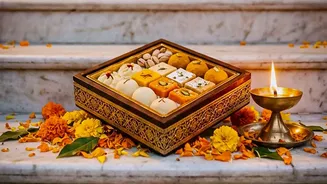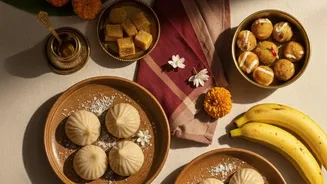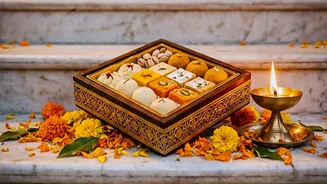

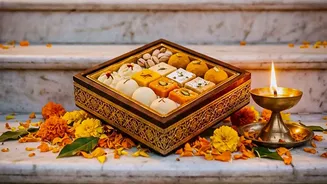
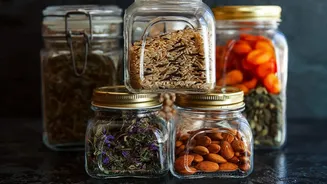
The aroma of roasting besan and simmering ghee signals Diwali's arrival. This year, the joy of traditional mithai meets modern wellness, proving you don't have to give up festive flavours to embrace a healthier, more balanced celebration.
Rethinking Sweeteners: Beyond Refined Sugar
The heart of
most mithai is its sweetness, but refined white sugar is no longer the only option. Traditional, less processed sweeteners are making a comeback. Jaggery (gur) offers an earthy, caramel-like flavour and contains minerals like iron and calcium that are absent in white sugar. It pairs wonderfully with sesame in til laddoos or in a classic atta halwa. Dates and figs (anjeer) are other excellent choices, providing natural sweetness and fibre. They can be blended into a paste to bind dry fruit laddoos, eliminating the need for any added sugar and creating a dense, nutritious treat.
Embracing Wholesome Flours and Grains
Many traditional sweets rely on refined flour (maida), but swapping it for whole grains can significantly boost nutritional value. Consider making baked gujiyas with whole wheat flour instead of the deep-fried maida version. Millets are another fantastic alternative. Ragi (finger millet), packed with fibre and calcium, can be used to make a delicious and wholesome halwa or barfi. Even classic kheer can be reimagined by replacing rice with alternatives like quinoa or millet flakes, which offer more protein and a unique texture.
Mindful Methods: Baking and Air-Frying
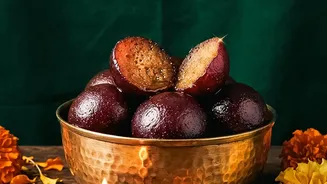
The cooking method plays a crucial role in the final calorie and fat content. Deep-frying, while delicious, causes sweets to absorb a significant amount of oil. Modern kitchens offer healthier alternatives. Baking or air-frying can achieve a satisfying crispiness with a fraction of the fat. For instance, instead of frying gulab jamuns, try baking or air-frying the khoya balls before soaking them in a lighter sugar syrup. Baked versions of snacks like samosas and gujiyas are also gaining popularity, offering the same beloved flavours without the heaviness of deep-frying.
The Art of Portion Control
A health‐conscious Diwali isn't about deprivation, but moderation. Nutritionists advise against skipping meals to 'save' calories for sweets, as this often leads to overeating later. Instead, enjoy your mithai after a balanced meal to slow down sugar absorption and prevent sharp spikes in blood sugar. Another effective strategy is to be selective. Rather than tasting everything available, pick one or two of your absolute favourite sweets and savour them mindfully. Making smaller laddoos or cutting barfi into thinner pieces also helps manage intake naturally.
The Power of Homemade Mithai
Preparing sweets at home gives you complete control over the ingredients. You can ensure the quality of the ghee, choose your preferred natural sweeteners, and incorporate nutritious additions like nuts and seeds. Homemade dry fruit laddoos made with dates, almonds, and walnuts are a popular choice and require minimal cooking. You can also experiment with recipes like oats and nuts laddoos or coconut barfi sweetened with jaggery. This approach not only makes your sweets healthier but also adds a personal touch to your festive offerings.