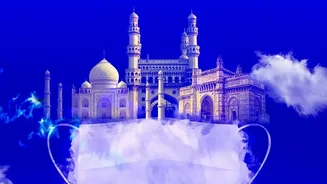

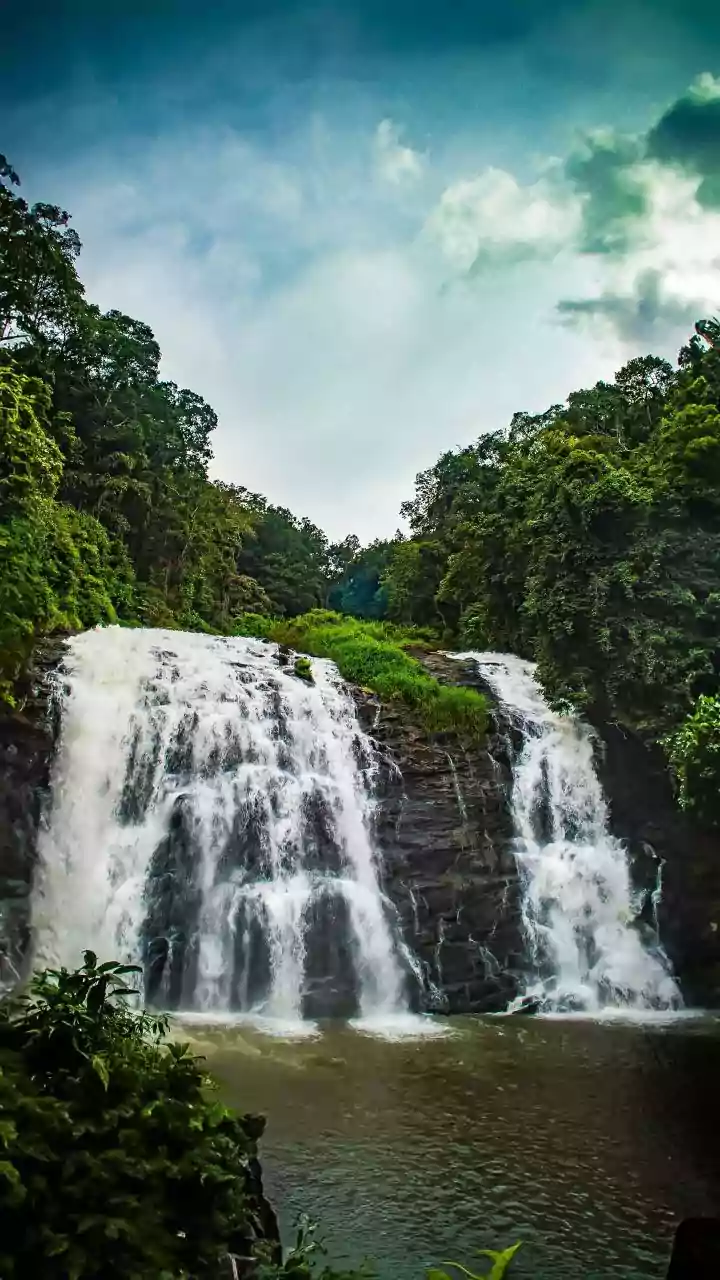


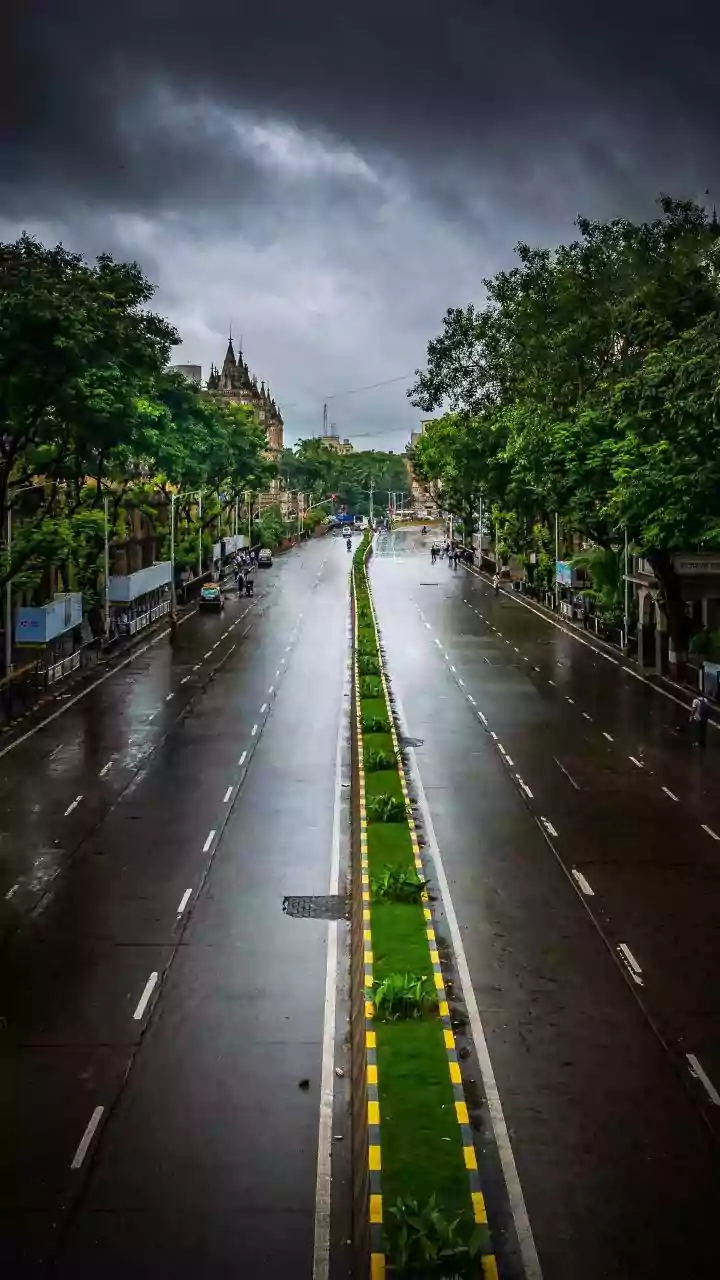
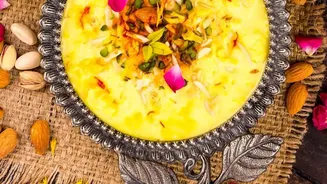

Beyond the Familiar Tourist Trail
For decades, travel in India for many has meant a predictable circuit of major monuments and cities. While magnificent, this approach often leaves the country's vast and diverse cultural landscape unexplored. Travellers miss out on the rich tapestry of regional
festivals, unique culinary traditions, and hyper-local craft forms that define the soul of countless communities. The result is a travel experience that can feel standardised, disconnected from the very authenticity many modern tourists seek. This fragmentation also means that the economic benefits of tourism remain concentrated in a few popular hubs, bypassing the artisans, farmers, and small-scale hosts who are the custodians of India's living heritage.
The Rise of the Digital Curator
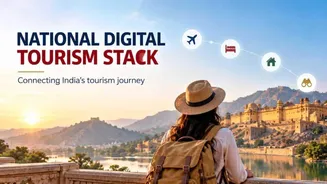
Technology is now emerging as the bridge between the curious traveller and the authentic local experience. A new generation of digital platforms is moving beyond simply booking flights and hotels. These platforms act as curators, connecting users with experiences that are otherwise difficult to discover and access. On World Tourism Day 2026, the Indian government launched the National Digital Tourism Stack, an initiative in collaboration with the Open Network for Digital Commerce (ONDC). This isn't just another travel website; it's an open, shared digital infrastructure. Its goal is to allow small-scale providers—from homestay owners to local guides and craftspeople—to list their services once and be discoverable across multiple participating apps, including those powered by AI. This levels the playing field, giving smaller players unprecedented visibility.
A Showcase for Local Artisans
For India’s artisans, this digital shift is a potential lifeline. For too long, they have been isolated from direct market access, relying on intermediaries. Platforms like IndiaHandmade, an initiative by the Ministry of Textiles, directly connect weavers and craftspeople to buyers, ensuring they receive fair compensation. Other marketplaces like iTokri, GoCoop, and AuthIndia are also empowering artisan families by managing everything from logistics to storytelling, educating consumers about the cultural significance of products like Pattachitra paintings from Odisha or Bandhani textiles from Gujarat. By integrating these craft clusters into travel itineraries, digital platforms can create a new form of cultural tourism where travellers don't just buy a product, but experience its creation and meet the maker.
Putting Agri-Tourism on the Map
The same digital revolution is transforming rural and culinary travel. The concept of agri-tourism, where visitors stay on working farms, is gaining traction through dedicated apps and websites. Platforms like Trip to Farm and Agrekoo allow travellers to book stays in orchards, tea estates, and traditional farmhouses, offering hands-on activities like harvesting and cooking farm-to-table meals. This not only provides a unique, grounding experience for urban visitors but also creates a vital new income stream for farming communities. As the Union Minister of Tourism noted, today's travellers increasingly seek authentic experiences like local cuisine and traditions that create lasting memories. Digital tools are making it easier than ever to find a home-cooked meal in a village or plan a trip around a specific regional harvest.
The Road Ahead: Challenges and Opportunities
Despite the immense potential, the road to a fully integrated digital tourism ecosystem has its challenges. Obstacles such as the digital literacy gap in rural areas and the need for reliable internet infrastructure must be addressed. Building trust through verified listings and secure payment systems is also crucial for both providers and travellers. However, the commitment is clear. The government’s ‘Dekho Apna Desh 2.0’ campaign aims to promote lesser-known destinations, and partnerships with companies like Airbnb and MakeMyTrip are focused on developing homestays and promoting unexplored villages. These efforts, combined with the power of open networks like the NDTS, signal a fundamental shift towards a more inclusive, sustainable, and authentic tourism model.