



What is Vertical Gardening?
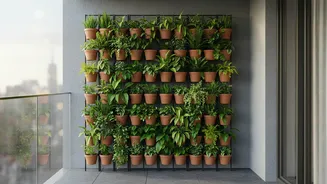
Vertical gardening is the art of growing plants upwards instead of outwards. Rather than relying on horizontal space in traditional garden beds, this method uses structures to cultivate plants on vertical surfaces. It's more than just placing a pot on a high
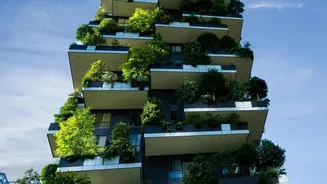
shelf; it's about creating an entire ecosystem on a wall, fence, or freestanding structure. These can range from simple trellises for climbing plants to complex, self-sufficient 'living walls' with built-in irrigation. The trend has become especially popular in urban areas like Mumbai and Bengaluru, where it offers a clever solution to the challenge of limited space.
The Benefits of Growing Up
The primary advantage of a vertical garden is its incredible space efficiency. It allows you to cultivate dozens of plants in just a few square feet, making it perfect for apartment balconies and small patios. But the benefits don't stop there. Vertical gardens add stunning aesthetic appeal, turning a plain wall into a piece of living art. They also improve air quality by filtering pollutants and converting carbon dioxide into oxygen. Having fresh herbs or vegetables within arm's reach is another major plus. Furthermore, many find the process of tending to their green wall to be a relaxing activity that reduces stress and improves overall well-being.
Types of Vertical Systems
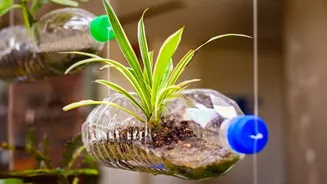
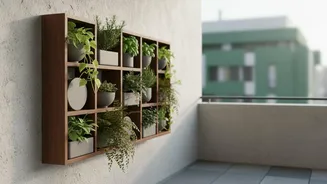
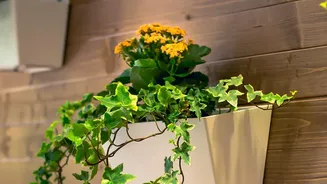
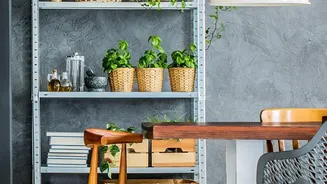
There are numerous ways to create a vertical garden, suiting all budgets and DIY skill levels. Wall-mounted pockets made of felt or fabric are a popular and affordable option for growing herbs and flowers. Repurposing items like wooden pallets or plastic bottles is a creative, eco-friendly approach. For a more structured look, you can use tiered planters or shelves to display a collection of pots. More advanced options include modular 'living wall' kits and hydroponic towers that grow plants in nutrient-enriched water instead of soil, often using up to 90% less water than traditional methods.
How to Get Started
Starting your own vertical garden is easier than you might think. First, choose a location. Most vegetables and flowering plants will need a spot that gets at least half a day of direct sunlight. Next, select a system that fits your space and budget, whether it's a DIY project or a store-bought kit. Fill your chosen containers with a high-quality potting mix that offers good drainage. One of the keys to success is regular care, especially when it comes to watering. Vertical systems can dry out faster than traditional pots, so you'll need to check the moisture level frequently. Finally, choose your plants and get growing.
Best Plants for Indian Balconies
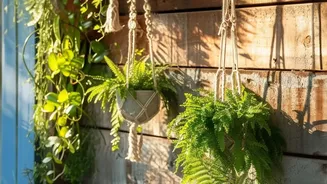
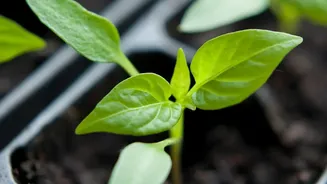
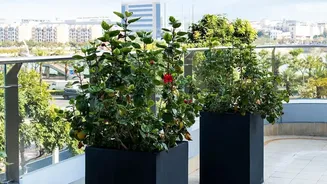
The Indian climate is suitable for a wide variety of plants that thrive in vertical setups. For sunny balconies, heat-tolerant flowers like Vinca (Sadabahar), Petunia, and Bougainvillea add vibrant colour. Herbs are a fantastic and functional choice; consider growing your own mint (pudina), coriander (dhania), holy basil (tulsi), and carom (ajwain). Many vegetables also adapt well to vertical life, including cherry tomatoes, chillies, lettuce, and spinach. For shadier spots, Money Plant (Pothos), Spider Plant, and various types of ferns are excellent low-maintenance options that create a lush, green feel.