



The Era of Aspirational Eating
Just a few years ago, the path to wellness seemed paved with exotic ingredients. Quinoa from the Andes, avocados from Mexico, and goji berries from China became staples for the health-conscious Indian. Stocking your pantry with these items wasn't just
about nutrition; it was a status symbol, a declaration that you were part of a global health trend. Supermarket aisles and online stores dedicated prime real estate to these premium products, and we eagerly added them to our carts, influenced by global wellness gurus and glossy international magazines. The belief was simple: if it was imported, expensive, and hard to pronounce, it must be better for you.
The Cracks in the 'Superfood' Crown
The honeymoon phase couldn't last forever. Consumers started noticing the significant dent these imported goods left in their wallets. A small packet of chia seeds often cost more than several kilograms of local grains. Beyond the price, questions of sustainability and ethics began to surface. What was the carbon footprint of flying avocados across the world? Was the booming demand for quinoa harming the food security of the communities that traditionally grew it? Furthermore, freshness became a concern. By the time these products reached an Indian kitchen, they had often travelled thousands of miles over many weeks, losing nutritional value along the way. The 'superfood' halo began to look a little less shiny.
Rediscovering Our Own Treasures
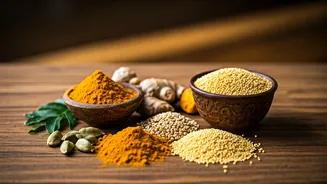
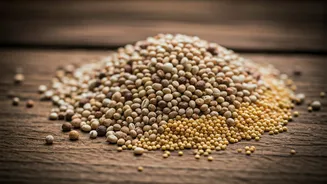
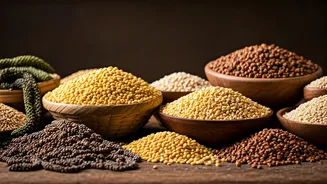
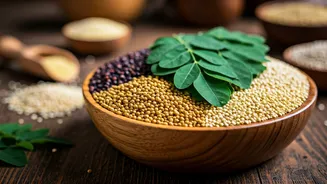
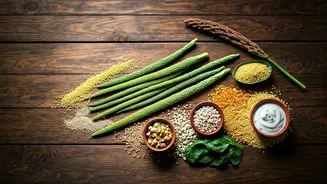
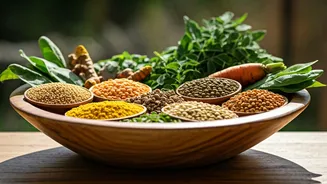
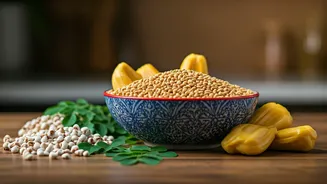
As the allure of imported foods waned, a powerful counter-movement began: looking inward. Suddenly, the ingredients our grandmothers championed were being seen in a new light. Ancient grains like ragi (finger millet), jowar (sorghum), and bajra (pearl millet) emerged as India’s own superfoods. These millets, nutritionally dense and naturally gluten-free, are perfectly suited to the Indian climate and have been a part of our diets for centuries. Similarly, seeds like amaranth (rajgira), sabja (basil seeds), and moringa (drumstick tree) were rediscovered for their incredible health benefits, from boosting immunity to improving digestion. This wasn't about discovering something new, but about remembering what we already had.
Why Local Makes Sense
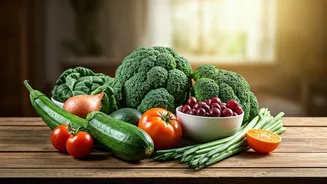
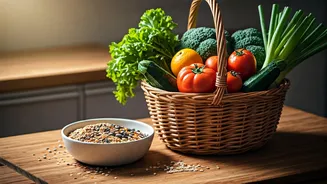
The shift is backed by both modern science and common sense. Nutritionists and dietitians are increasingly advocating for a return to local eating. Locally grown foods are fresher, more nutrient-dense, and more aligned with our genetic makeup and digestive systems. Eating seasonally available produce ensures our bodies get the specific nutrients they need to cope with the climate. Moreover, this movement has a profound economic impact. Choosing local supports Indian farmers, strengthens rural economies, and reduces our reliance on complex, fragile global supply chains. It's a win-win for personal health and the nation's well-being.
From Grandma's Kitchen to Your Instagram Feed
This trend isn't just a nostalgic return to the past; it's a modern reinterpretation of tradition. Chefs and food bloggers are getting creative, transforming humble ingredients into trendy, Instagram-worthy dishes. We're seeing ragi pancakes, jowar tacos, moringa smoothies, and amaranth energy bars. This creative fusion makes traditional foods appealing to a younger generation that values both health and aesthetics. The 'vocal for local' sentiment has found its most delicious expression in our food, proving that eating healthy doesn't have to mean eating foreign. It's about celebrating the incredible biodiversity and culinary wisdom found right in our own backyard.