


The Scale of the Price Increase
Tata Motors Passenger Vehicles (TMPV) announced on August 21, 2026, that it will increase prices across its portfolio by up to ₹25,000. This is not a flat increase. The company has clarified that the hike will vary depending on the specific model and
variant. This strategy allows the automaker to adjust pricing more granularly, ensuring that the perceived value of each vehicle remains competitive even after the increase. The change will apply to its entire range, including both traditional internal combustion engine (ICE) vehicles and the increasingly popular electric vehicle (EV) lineup.
When Do the New Prices Kick In?
The revised prices will become effective from September 1, 2026. This gives potential customers a small window to purchase a vehicle at the current prices. This is the third time Tata Motors has increased prices in 2026, following previous hikes in April and July. The July increase was up to 1.5%, while the April hike was a weighted average of 0.5% on ICE models, signaling a consistent trend of upward price adjustments throughout the year.
Why Are Prices Going Up Again?
The primary reason cited by Tata Motors is the need to partially offset rising input costs and sustained inflationary pressures. Automakers across the board have been grappling with increased prices for raw materials like steel and plastics, as well as rising commodity costs. In a regulatory filing, Tata explained that while the company continues to absorb a significant portion of these increased costs to protect customers, passing on a part of the burden has become necessary. This latest move is seen as a measure to protect its operational margins, which were heavily impacted in the first quarter of the fiscal year.
Which Models Will Be Affected?
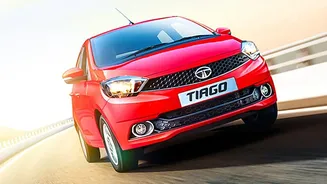
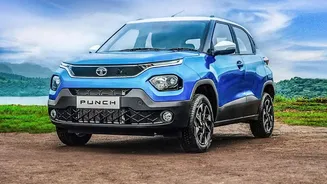
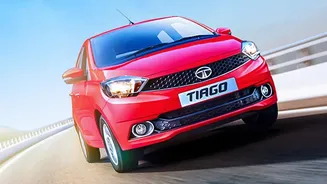
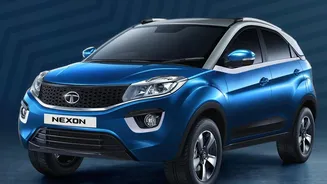
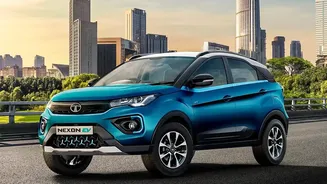
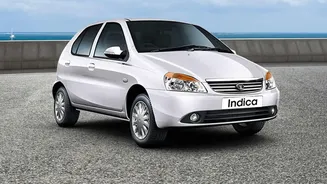
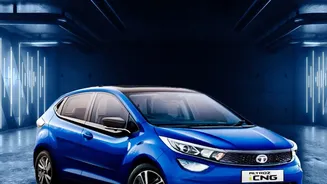
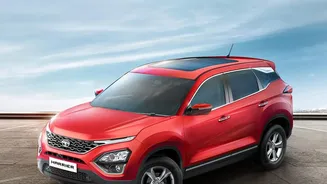
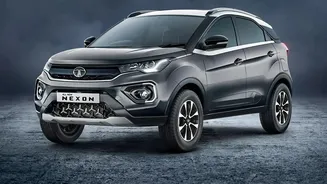
The price hike is portfolio-wide, meaning all of Tata's passenger vehicles will see an increase. This includes popular models such as the Nexon, Punch, Harrier, Safari, Altroz, Tiago, and Tigor, along with their EV derivatives where applicable. While the company has confirmed the hike applies to both ICE and EV models, it has not yet released a detailed, variant-wise list of the new prices. Buyers interested in a specific model will need to check with their local dealerships for the exact increase closer to the effective date.
Is This an Industry-Wide Trend?
Yes, Tata Motors is not alone in this decision. Other major players in the Indian auto market have also recently announced price increases. Maruti Suzuki initiated a price hike of up to ₹30,000 in August, its second of the quarter. Similarly, Hyundai Motor India announced it would raise prices by up to 1% from September, also citing rising input and commodity costs. This collective action from the country's top automakers indicates a broader industry response to persistent economic pressures rather than an isolated move by one company.
What This Means for Car Buyers
For anyone considering a new Tata vehicle, the announcement creates a clear deadline. Purchasing before September 1 will lock in the pre-hike price. However, even with the increase, the actual on-road price difference might be manageable for many, as the hike is capped at ₹25,000 and will be lower for many variants. The news also reinforces the reality of the current auto market, where costs are steadily climbing. While this might be disappointing for those hoping for discounts, it's a calculated move by manufacturers to maintain financial health amidst challenging economic conditions. For now, buyers should weigh the urgency of their purchase against the impending price change and explore any available financing or dealer-level offers that might help offset the increase.