





Launch and Spacecraft Engineering
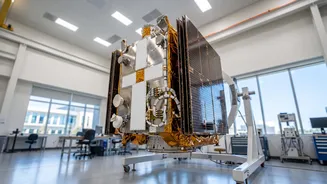
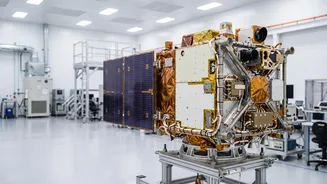
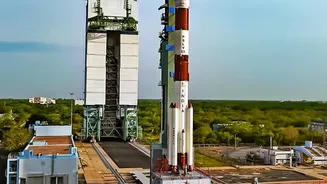
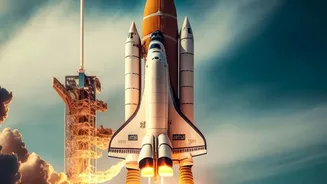
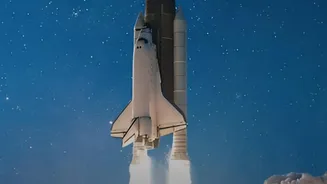
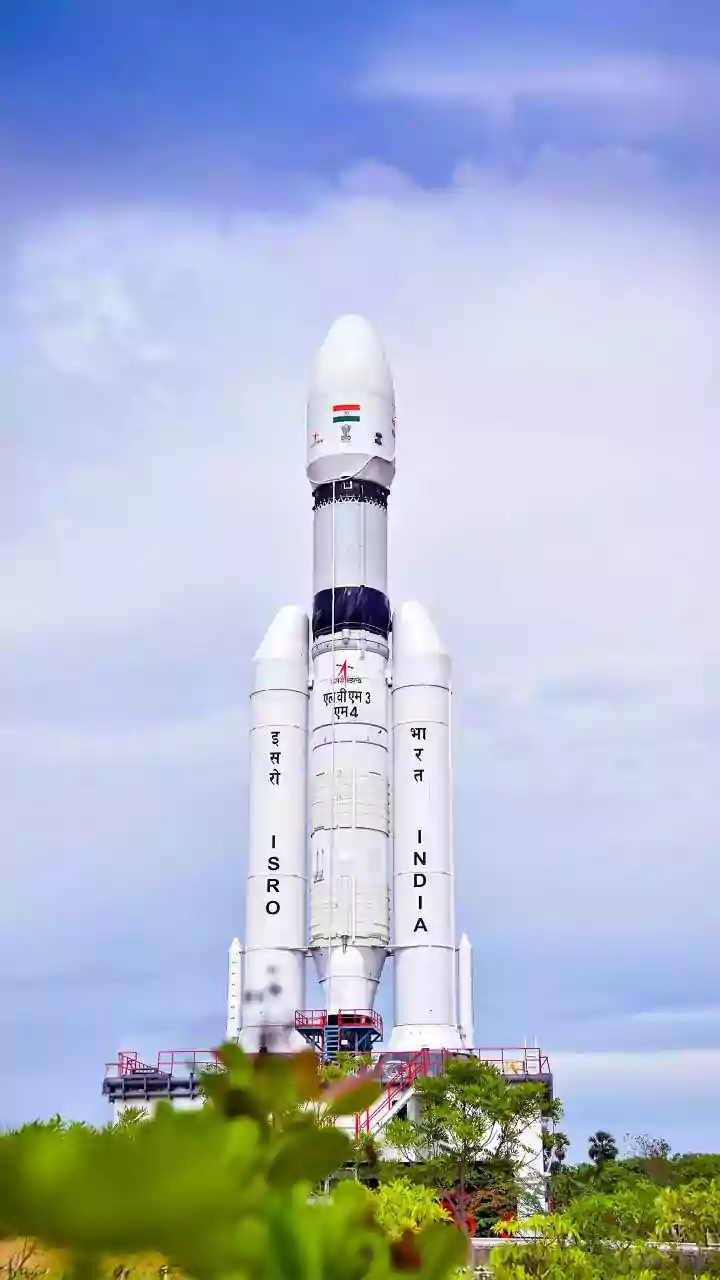
This is the classic, foundational role of the space industry. Engineers in this domain design, build, and test the rockets and satellites that are the backbone of the entire space economy. It involves a wide range of specialisations, from propulsion engineers
working on next-generation rocket engines to systems engineers integrating all the complex components of a satellite. Companies like Skyroot Aerospace and Agnikul Cosmos are pioneering private launch vehicles in India, creating a huge demand for mechanical, aerospace, and electronics engineers. These roles require a strong understanding of physics, materials science, and systems integration. The work is crucial; without reliable launch and robust spacecraft, no data can be collected, and no services can be offered from orbit.
Satellite Data Scientist and Analyst
Some of the fastest-growing careers in the space industry don't involve going to space at all; they involve making sense of the data sent back to Earth. Every day, satellites collect terabytes of imagery and signals. A Satellite Data Scientist uses machine learning and AI to turn this raw data into valuable insights. These insights power applications in agriculture (monitoring crop health), urban planning (tracking city growth), disaster management, and climate science. Companies like SatSure and Pixxel are leaders in this 'downstream' segment. A student with strong skills in computer science, Python, and data analytics can find massive opportunities here, applying their expertise to solve real-world problems using information from space.
Aerospace Software and AI Engineering
Modern spacecraft are as much about software as they are about hardware. Aerospace Software Engineers build the critical code that runs everything, from on-board flight systems and autonomous navigation to mission planning algorithms on the ground. This field is considered one of the fastest-growing tracks because it combines the rigour of space engineering with the rapid innovation of the software industry. As missions become more complex and satellites are required to operate more autonomously, the demand for developers proficient in languages like C++ and Python, and with experience in embedded systems, is skyrocketing across both ISRO and private firms.
Space Robotics and Automation
As ambitions grow towards in-orbit servicing, planetary exploration, and even space-based manufacturing, the need for advanced robotics is becoming paramount. Space Robotics Engineers design and build robotic systems that can operate in the harsh environment of space. This could include robotic arms for satellite repair, autonomous rovers for exploring the Moon or Mars, or automated systems for future space stations. This is a highly specialised field that combines mechanical engineering, electronics, and artificial intelligence. While still emerging in the Indian private sector, it's a critical area for future missions like Gaganyaan and long-term planetary exploration plans, making it a forward-looking career choice for students with a passion for mechatronics.
Space Policy and Law Specialist
You don't need to be an engineer to build a career in space. As the space domain gets more crowded with commercial players, the need for legal and policy experts is growing rapidly. A Space Policy and Law Specialist works on issues like international space treaties, radio frequency coordination, orbital debris mitigation, and commercial launch contracts. With India's 2023 space policy encouraging private participation and a new FDI policy liberalising investment, navigating the regulatory landscape has become a critical business function. This career path is perfect for students with a background in law, public policy, or international relations who are fascinated by the unique challenges of governing activities in outer space.