



Why the New Rules Are So Strict
This year, authorities are leaving nothing to chance. A spate of accidents in previous monsoons, including drownings and falls, has prompted a shift from advisories to strict enforcement. For the 2026 season, prohibitory orders are being issued under
Section 163 of the Bharatiya Nagarik Suraksha Sanhita (BNSS), which carries penalties of detention and prosecution, not just fines. Expect to see CCTV monitoring, drone patrols, and even plain-clothes officers at high-risk trailheads and waterfalls. The goal is to manage the huge influx of trekkers, protect fragile ecosystems, and prevent tragedies.
Know the Banned and Restricted Zones
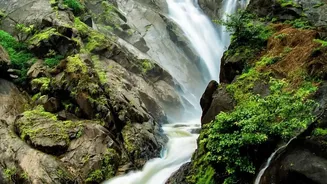
Before you plan your trip, be aware that many popular spots are off-limits. District collectors in Pune, Thane, Raigad, and Nashik have issued sweeping bans on hundreds of trails, forts, and waterfalls through September 2026. In the Lonavala region, Section 163 is in effect, prohibiting entry to waterfalls and dams. Goa has closed the highly popular railway track route to Dudhsagar Falls, while Karnataka has seasonally shut down the Kumara Parvatha trek and Kerala has closed Agasthyakoodam. Always check with local district and forest department websites for the latest list of closures before you travel.
The Golden Rule: No Guide, No Trek
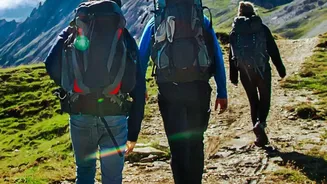
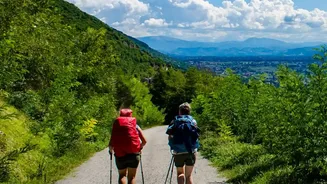
The era of spontaneous, unplanned treks in many parts of the Ghats is over. In Karnataka, a certified nature guide is now mandatory for every approved route, with a strict ratio of one guide per ten trekkers. These spots are booked online and sell out within minutes for popular trails. In Maharashtra, even popular routes like the Malshej Ghat Kalu Waterfall trek can only be attempted legally through a registered agency with a guide; solo attempts are banned. This ensures groups stay on marked paths and have an experienced leader who can handle emergencies.
Universal Rules for Every Trekker
Beyond state-specific bans, a common code of conduct applies everywhere. Solo trekking on any Western Ghats sanctuary trail during the monsoon is now broadly prohibited. Entering plunge pools of waterfalls is forbidden, as is taking selfies near cliff edges or dam walls. Alcohol is strictly banned on trails and at base villages. Many trails have a daily cut-off time for entry, often between 10 a.m. and noon, so an early start is non-negotiable. Finally, single-use plastics are banned within national parks and wildlife sanctuaries, so pack reusable containers.
Essential Gear and Preparation
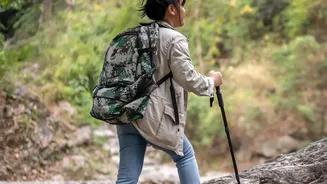
The right gear can make the difference between a memorable adventure and a miserable ordeal. Sturdy hiking shoes with excellent grip are your most important asset for slippery, muddy trails. A waterproof jacket and a poncho are essential, as are dry bags or zip-lock pouches to protect electronics and a change of clothes. Carry high-energy snacks and at least two litres of water. A basic first-aid kit with antiseptic, bandages, and medication for common ailments is a must. Given the poor network coverage in many areas, a fully charged power bank and a flashlight are also crucial.
What to Do in an Emergency
In Karnataka, many registered treks now require you to install a mobile app that helps officials track your route. Guides are also equipped with GPS walkie-talkies to communicate with base camps. For trekkers in Maharashtra, the Forest Department has a toll-free helpline, 1926, for emergencies like accidents, getting lost, or wildlife encounters. Save these numbers and inform a reliable contact about your itinerary before you begin your trek. Following the rules is the best way to ensure that if you need help, it can reach you.