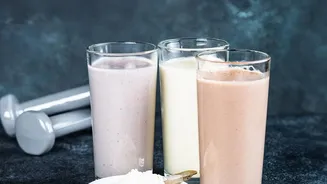







Tired of the endless cycle of blending and chugging protein shakes? There's a world beyond the shaker bottle. By learning a few simple techniques, you can transform your favourite everyday meals into protein-packed dishes.
Why Bother Cooking with Protein Powder?
Integrating protein powder into
your cooking and baking is about more than just avoiding 'shake fatigue'. It’s a strategic way to make the foods you already love work harder for you. A scoop added to pancake batter, a morning bowl of oats, or even a hearty soup can significantly increase the meal's protein content. This helps with satiety, keeping you fuller for longer, and supports muscle repair and growth. It's a simple method to enhance the nutritional profile of your meals, turning a standard breakfast or a simple dessert into a more balanced and functional part of your diet.
Choosing the Right Powder for the Job
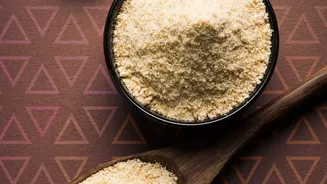
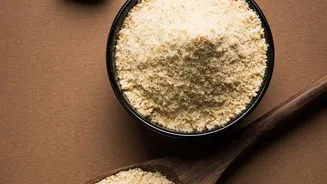
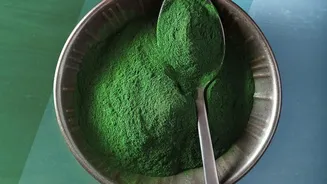
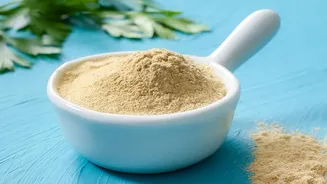
Not all protein powders are created equal, especially when it comes to cooking. Different types behave differently under heat and can drastically alter the texture of your dish. Whey protein, a popular choice, can sometimes make baked goods dry or rubbery if overused. Casein protein absorbs more liquid and is great for creating thicker consistencies, like in puddings or creamy sauces. Plant-based proteins, such as pea or brown rice, tend to be denser and can work wonderfully in recipes, though they often require more liquid. For savoury dishes, an unflavoured protein powder is essential to avoid a strange, sweet aftertaste in your soup or pasta sauce.
The Golden Rules of Protein Baking
Baking with protein powder can be tricky, often resulting in dry, dense, or rubbery creations. The biggest mistake is treating it like a direct substitute for flour. As a rule of thumb, you should only replace about one-third of the flour in a recipe with protein powder to maintain proper structure. Because protein powder is very absorbent, you must increase the moisture content. Add extra liquid like milk or water, or incorporate moisture-rich ingredients such as Greek yoghurt, mashed banana, applesauce, or nut butters to keep your bakes from drying out. It's also wise to lower your oven temperature by about 10-15°C, as protein-based batters tend to brown and cook faster.
Beyond the Sweet: Savoury Applications
Thinking protein powder is just for sweets is a common misconception. Unflavoured varieties are incredibly versatile and can be a 'stealth ingredient' in your main courses. To avoid clumps, create a slurry by whisking the powder with a small amount of cold liquid (like water or broth) before adding it to a hot dish. This technique works perfectly for thickening soups, stews, and gravies without altering the taste. You can also blend a scoop into dips like hummus or guacamole, mix it into meatball or veggie burger mixtures, or even stir it through a tomato sauce in the final minutes of cooking.
Easy Ideas to Get You Started
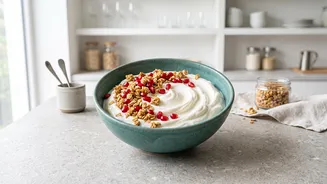
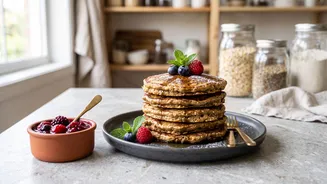
Ready to start? Begin with simple, no-bake recipes or breakfast staples. Energy balls are a great starting point; just mix protein powder with oats, nut butter, and a little honey or maple syrup. For a morning boost, stir a scoop into your oatmeal after it's cooked, which prevents clumping. Upgrade your breakfast by adding protein powder to pancake or waffle batter, remembering to add a little extra liquid to get the consistency right. You can also make a simple, highprotein dip by blending unflavoured powder with Greek yoghurt and herbs to serve with fresh vegetables.