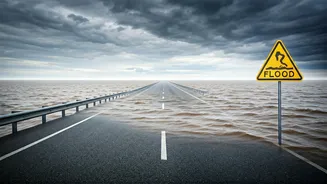









An Avoidable Annual Tragedy
While Kerala is geographically prone to heavy rainfall, the recurring devastation is increasingly a man-made crisis. The cycle of destruction, displacement, and death is not an inevitability but a direct consequence of flawed development and poor foresight.
For decades, experts have warned that unchecked urbanisation, illegal quarrying in the Western Ghats, and the destruction of natural floodplains like wetlands and paddy fields have been compromising the state's natural defences. Rapid expansion of cities like Kochi and Thiruvananthapuram has replaced absorbent soil with concrete, increasing surface runoff and overwhelming outdated drainage systems. Every intense downpour now carries the threat of inundation, turning bustling urban centres into waterlogged disaster zones. The catastrophic floods of 2018, which affected over five million people, should have been a final wake-up call, but the lessons seem to be only partially learned.
Ignoring the Writing on the Wall
A significant part of the problem lies in the collective failure to heed scientific advice. The 2011 report by the Western Ghats Ecology Expert Panel (WGEEP), chaired by Madhav Gadgil, provided a clear blueprint for sustainable development. It recommended classifying the region into Ecologically Sensitive Zones with strict regulations on activities like mining, dam construction, and large-scale development in the most vulnerable areas. However, the report was largely shelved, criticised as being too restrictive and impractical to implement. A subsequent, more diluted report by the Kasturirangan committee also faced resistance. This reluctance to implement ecological safeguards has proven costly. In the aftermath of the 2018 floods, Gadgil himself noted that the disaster was partly man-made, and its scale could have been minimised had environmental laws been followed.
What 'Smarter Planning' Actually Means
Smarter planning is not about halting development, but about guiding it intelligently. It involves a shift from reactive disaster response to proactive risk reduction. First, there must be strict enforcement of land-use regulations that protect floodplains and fragile slopes from construction. Urban areas like Kochi have already begun piloting 'sponge city' concepts, which use green infrastructure like permeable pavements, pocket parks, and restored wetlands to absorb stormwater naturally. This approach needs to be scaled up across the state. Second, dam management requires a modern, coordinated strategy. Uncoordinated reservoir releases were a major factor in worsening the 2018 floods. Since then, updated protocols and better coordination have been put in place, but they must be rigorously maintained. Finally, empowering local bodies and communities is essential. A bottom-up approach to governance, as suggested by the Gadgil report, where local communities have a say in their environment, fosters greater accountability and resilience.
The Challenge of Political Will
The path to a flood-resilient Kerala is paved with political and economic challenges. The pressure for short-term economic growth often leads to compromises on environmental regulations. However, the economic losses from a single major flood, which can run into thousands of crores, far outweigh the perceived benefits of unregulated construction and quarrying. Since the 2018 floods, Kerala has made some progress. The state has overhauled its disaster governance, improved early-warning systems, and started rebuilding infrastructure to more resilient standards. A revised 'Orange Book' for monsoon preparedness aims to give local bodies more power. But these measures must be part of a larger, unwavering commitment to sustainable planning. The state must move beyond a cycle of annual panic and ad-hoc measures towards a long-term vision where development and environmental security are not seen as conflicting goals, but as two sides of the same coin.