





From Over-Tourism to Authentic Exchange
The traditional model of tourism has long been a double-edged sword. While it brings money into a region, much of that revenue often flows out to large hotel chains and tour operators, bypassing the local population. This can lead to overcrowded hotspots
where the very culture and environment that attract visitors are put under strain. Disconnected from the local way of life, tourists become spectators rather than participants. But today’s traveller, particularly younger generations, is increasingly seeking something more. They are looking for authenticity, connection, and the knowledge that their travel spending is making a positive impact. This evolving mindset is driving a fundamental change, pushing the industry towards models that are more sustainable and equitable.
The Homestay Revolution
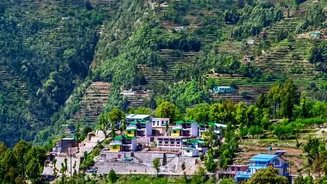
At the forefront of this movement is the rise of the community homestay. Once a niche option, staying in a local family’s home has become one of the fastest-growing segments in Indian travel. Unlike a standardised hotel room, a homestay offers an immersive experience: sharing home-cooked meals, learning about local customs, and engaging in genuine conversations. This model provides direct economic benefits to families, often empowering women who become hosts and micro-entrepreneurs with minimal upfront investment. In places like the Spiti Valley in Himachal Pradesh or villages in Sikkim, rotational systems have been set up to ensure tourism income is distributed fairly among households, preventing dependency and fostering collective ownership.
Experiences Beyond Accommodation
This community-centric approach extends far beyond just a place to sleep. The new wave of tourism invites travellers to participate in the local economy in myriad ways. Initiatives are emerging across the country where visitors can join craft-based workshops, like learning pottery or block-printing from artisans who have perfected their skills over generations. In states like Kerala, travellers can take cooking classes led by local women, visit spice plantations with community guides, or watch traditional performances. This not only creates multiple streams of income within a village but also helps preserve cultural heritage by giving it a living, interactive platform. The traveller, in turn, goes home with not just a souvenir, but a skill and a story.
A Push from the Top Down
This grassroots movement is being met with government support. Recognizing the potential of this model, national and state policies are increasingly designed to promote sustainable and responsible tourism. Schemes like 'Swadesh Darshan 2.0' and the 'Dekho Apna Desh' campaign are actively working to develop theme-based tourist circuits and promote lesser-known destinations, aiming to distribute tourist traffic more evenly. Initiatives like the National Mission for Alternative Destinations specifically focus on developing infrastructure and bookable experiences in emerging locations, with an emphasis on homestays and community businesses. This top-down support helps create the enabling environment for community-led enterprises to thrive.
Navigating the Challenges Ahead
Of course, this shift is not without its challenges. As community tourism becomes more popular, there is a risk of commercialisation that could dilute the very authenticity that makes it special. Ensuring that the benefits are distributed equitably and that the cultural and environmental fabric of a place is protected requires careful planning and management. Issues like inadequate infrastructure in remote areas and the need for training in hospitality and service quality are real hurdles. The key will be to empower communities to manage tourism on their own terms, giving them the tools and training to grow sustainably without losing the essence of their home.