




The Quest for Complete Protein
To understand the magic of this food pairing, we first need to talk about protein. Proteins are essential macronutrients, often called the 'building blocks of life', crucial for repairing tissues, building muscle, and supporting countless bodily functions.
Proteins themselves are made of smaller units called amino acids. Our bodies need 20 different amino acids to function, but nine of them, known as 'essential amino acids', cannot be produced by the body and must come from our food. A food source that contains all nine of these essential amino acids in adequate amounts is called a 'complete protein'.
The Plant Protein Puzzle
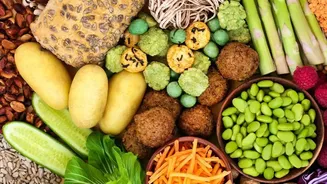
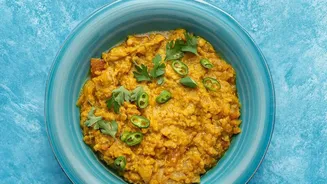
Most animal-based foods like meat, eggs, and dairy are naturally complete proteins. However, most individual plant-based foods are considered 'incomplete'. This doesn't mean they are bad; it simply means they are low in one or more of the nine essential amino acids. Lentils, or dals, are a fantastic source of plant-based protein, but they tend to be low in two specific essential amino acids: methionine and cysteine. This means that while dal is incredibly nutritious, on its own, it doesn't provide the full set of protein building blocks your body needs.
How Curd Completes the Picture
This is where humble curd (dahi) enters the scene. As a dairy product, curd is an animal-based food and, therefore, a source of complete protein. It contains all nine essential amino acids, including the ones that dal is missing in sufficient quantities. When you eat dal and curd in the same meal, the amino acids from each food complement each other. The lysine that dal has in abundance, and the methionine that curd provides, join forces. This principle is known as protein complementation. Together, they deliver a full profile of essential amino acids, effectively creating a high-quality, complete protein meal right on your plate.
A Partnership Beyond Protein
The benefits of combining dal and curd extend beyond just protein. Curd is a well-known probiotic, containing live bacteria that are beneficial for gut health. These probiotics can aid in digestion, making the nutrients in the entire meal, including the dal, easier for your body to absorb. Lentils are packed with fibre, which is great for long-term gut health, but can sometimes be difficult for sensitive stomachs to digest. The cooling, soothing properties of curd, combined with its digestive enzymes, can help soothe the digestive tract and reduce issues like bloating. Furthermore, curd is a rich source of calcium, which is vital for bone health.
Traditional Wisdom, Modern Science
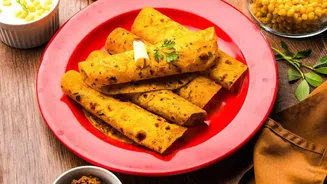
This concept of pairing foods to create complete proteins is deeply embedded in traditional Indian culinary wisdom. It’s the same scientific principle that makes other classic combinations like dal and rice, rajma and rice, or roti and dal so nutritionally sound. Grains like rice and wheat are typically low in the amino acid lysine but contain methionine, while lentils are high in lysine and low in methionine. By combining them, our ancestors created meals that were not only affordable and delicious but also nutritionally balanced by design. The addition of curd to these meals acts as a further nutritional enhancer, boosting the overall quality and digestibility of the food.