



Why Pan Size Is the Secret Ingredient
Baking is a science of heat and chemistry. A recipe developer tests their creation using a specific pan size for a reason. The pan's dimensions—its length, width, and importantly, its depth—dictate the batter's surface area and thickness. These factors
directly influence how heat penetrates the food, how moisture evaporates, and how the internal structure sets. Using a different pan without making adjustments is like changing a key variable in a science experiment; the results are bound to be different, and often, disastrous. The final height, texture, and moisture of your bake are all dependent on the vessel it's cooked in.
The Problem with a Pan That's Too Big
When you pour batter into a pan that is larger than the recipe recommends, you spread the batter thin. More surface area means faster evaporation. This can lead to a baked good that is dry, thin, and sad. The edges will likely cook much faster than the centre, potentially burning before the middle is even properly set. Instead of a lofty cake or a fudgy brownie, you'll have something that resembles a flat, overcooked biscuit. A larger pan means a quicker bake, so you'll need to start checking for doneness much earlier than the recipe states, often 10 to 15 minutes sooner.
The Danger of a Pan That's Too Small
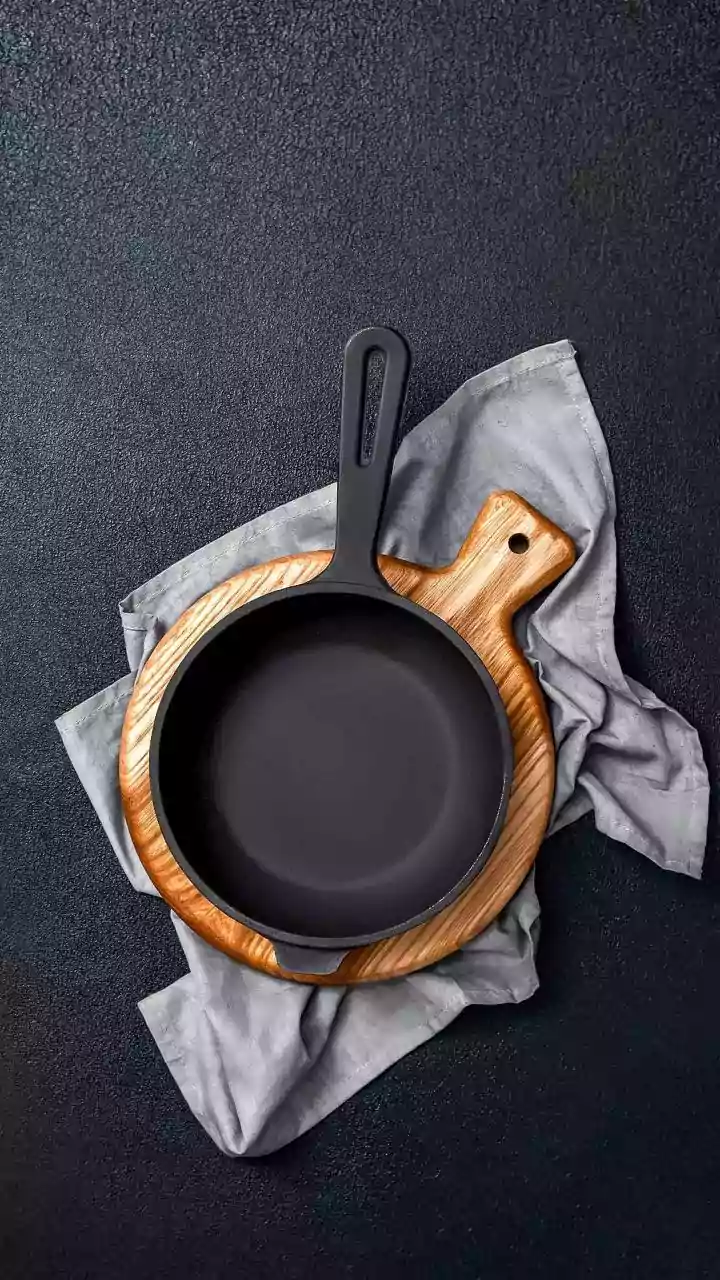
Going smaller might seem safer, but it comes with its own set of problems. Pouring the correct amount of batter into a smaller pan means the batter will be deeper. The most immediate risk is overflow, creating a sticky, burnt mess on the floor of your oven. Even if it doesn't spill over, the increased depth poses a significant challenge. The outside of the cake will cook and set long before the heat can penetrate the dense, deep centre. This often results in a frustrating outcome: burnt, dark edges and a raw, gummy middle that may sink as it cools. A smaller pan requires a longer baking time, and often a slightly lower temperature to allow the centre to cook through without incinerating the crust.
How to Compare and Convert Pan Sizes
The key to successfully swapping pans is to compare their volume. Don't just compare the diameter; a 9-inch round pan has about 26% more volume than an 8-inch round pan, a much bigger difference than the diameter suggests. The most reliable way to know if your pans are interchangeable is to calculate their volume. For square or rectangular pans, simply multiply length by width by height. For round pans, the formula is π times the radius squared, times the height. An even simpler method is the water test: fill the pan your recipe calls for with water, measuring as you go. Then pour that water into the pan you want to use. If it fits comfortably—filling it about halfway to two-thirds full—you have a good substitute.
Tips for Adjusting Time and Temperature
If you must use a different pan, adjustments are necessary, though there is no single magic formula. As a general rule, if your batter is shallower (in a larger pan), consider increasing the oven temperature slightly and decreasing the baking time. If your batter is deeper (in a smaller pan), lower the oven temperature by about 15°C (25°F) and expect to increase the baking time to allow the centre to cook through. Regardless of the pan, always trust your senses. Start checking for doneness early with a cake tester or toothpick. When it comes out clean, your bake is ready, no matter what the clock says.