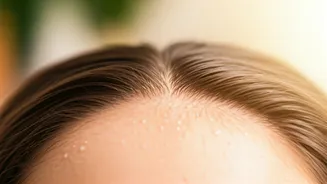









What Exactly Is Scalp Build-Up?
Scalp build-up is the accumulation of various substances on the surface of your scalp and at the base of your hair follicles. It's typically a mixture of sebum (your scalp's natural oil), dead skin cells, sweat, and residue from hair products like shampoos,
conditioners, and stylers. Over time, this combination can form a stubborn layer that clogs follicles, leading to symptoms like itchiness, greasy or waxy flakes, redness, and hair that feels perpetually dirty or weighed down even after washing. In some cases, if left untreated, this blockage can lead to inflammation of the follicles, a condition known as folliculitis, which may even cause hair loss.
The Seasonal Connection: Why It's Worse Now
If you've noticed your scalp issues flaring up recently, the current weather is a likely factor. High humidity, a common feature of the Indian monsoon season, is a major trigger. The moist air prevents sweat from evaporating efficiently, leaving it to linger on the scalp where it mixes with oils and pollutants. This warm, damp environment is the perfect breeding ground for bacteria and yeast, which can disrupt your scalp's natural microbiome. Furthermore, heat and humidity can stimulate the sebaceous glands to produce more oil, adding to the problem and creating a vicious cycle of greasiness and build-up.
Is It Build-Up or Dandruff?
It's easy to confuse scalp build-up with dandruff, but they are different conditions requiring different approaches. Dandruff is a medical condition often caused by a yeast-like fungus called Malassezia or skin conditions like seborrheic dermatitis. Dandruff flakes are typically smaller, drier, white or yellowish, and fall easily from the hair. Build-up flakes, on the other hand, tend to be larger, feel greasy or waxy, and stick to the scalp and hair. A key difference is how your scalp feels after washing: a thorough cleanse will often temporarily remove build-up, leaving the scalp feeling clean, whereas dandruff symptoms like itching and flaking might persist.
A Simple Plan to Clear and Reset Your Scalp
Getting rid of stubborn build-up involves a two-pronged approach: removal and rebalancing. Start by incorporating a clarifying shampoo into your routine once a week. These shampoos are designed to deep-cleanse and dissolve stubborn residue from products and oils. Follow this with scalp exfoliation. You can use a gentle scrub with small particles or simply massage your scalp thoroughly with your fingertips (not nails) while shampooing to loosen debris. An occasional rinse with diluted apple cider vinegar can also help break down residue and restore the scalp's pH balance. Finally, ensure you rinse your hair meticulously every time you wash to prevent new product from accumulating.
Prevention: The Key to a Healthy Scalp
Once your scalp is clean, the goal is to keep it that way. Wash your hair regularly, but not so often that you strip it of its natural oils, which can cause an overproduction of sebum to compensate. Be mindful of the hair products you use; avoid heavy silicones, waxes, or oils that are not easily water-soluble. During humid months, opt for lightweight products. Brushing your hair regularly helps distribute natural oils away from the scalp, preventing them from accumulating in one area. Also, ensure your scalp is completely dry after washing; leaving it damp, especially during monsoon, can encourage fungal growth.