


What Exactly is Arrowroot?
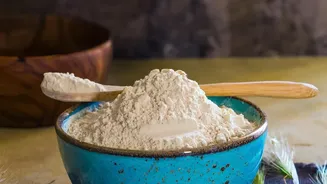
Arrowroot flour, also known as arrowroot starch, is a fine, white powder derived from the rhizomes of the Maranta arundinacea plant. It is naturally gluten-free, grain-free, and has a neutral flavour, meaning it won't alter the taste of your recipes.
Its primary claim to fame is its exceptional thickening power. When heated, it creates a clear, glossy gel, making it a superior choice for fruit sauces and glazes compared to cornstarch, which can leave a cloudy finish. It's also easily digestible, making it suitable for young children and those with sensitive stomachs. Whether you are looking for a healthier alternative to cornstarch or a secret weapon for gluten-free cooking, arrowroot is an essential pantry staple.
1. The Perfect Thickener for Curries and Soups
One of the most practical uses for arrowroot flour in an Indian kitchen is as a thickener for gravies, curries, and soups. Unlike cornstarch or wheat flour, arrowroot thickens at a lower temperature and creates a silky, smooth texture without any chalky taste. To use it, simply make a 'slurry' by mixing a teaspoon or two of arrowroot powder with a few tablespoons of cold water until smooth. Pour this mixture into your simmering curry or soup towards the end of the cooking time and stir until it thickens. Be careful not to boil it for too long, as prolonged high heat can cause it to lose its thickening ability. The result is a beautifully glossy sauce that clings perfectly to your ingredients.
2. Crispier, Lighter Bhajis and Pakoras
For an extra crispy coating on your favourite fried snacks, arrowroot is the answer. Using arrowroot flour as part of the coating for vegetables, chicken, or tofu before frying yields an incredibly light and crispy finish. You can substitute a portion of the gram flour (besan) in your standard bhaji or pakora batter with arrowroot flour. This addition helps create a delicate, crunchy texture that doesn't feel heavy or oily. The neutral flavour ensures that the taste of your spices and vegetables shines through. It's a simple switch that can elevate your teatime snacks from good to unforgettable.
3. Silky Smooth Arrowroot Halwa
Arrowroot halwa, also known as Tapkir halwa, is a popular dessert, especially during fasting periods like Navratri. This sweet treat has a uniquely chewy, glossy, and translucent texture that sets it apart from other halwas. The process involves creating a sugar syrup and separately mixing arrowroot flour with water. The two are then combined and cooked with ghee and flavourings like cardamom until the mixture thickens and pulls away from the sides of the pan. While it requires continuous stirring, the delightful result is well worth the effort, offering a melt-in-your-mouth experience.
4. Delicate and Crumbly Cookies
In baking, arrowroot flour helps create a wonderfully light and tender crumb. It is a fantastic ingredient for gluten-free cookies, often used in combination with other flours like almond or coconut flour to improve texture. Arrowroot biscuits are known for their delicate, melt-in-the-mouth quality. You can make simple arrowroot cookies by combining the flour with butter, sugar, and an egg. The dough comes together quickly and produces a cookie that is less dense than those made with only wheat flour. These are perfect for a light snack alongside a cup of tea or coffee.
5. Fluffy Gluten-Free Pancakes
Start your day with light, fluffy pancakes that are completely gluten-free. By using arrowroot flour, either on its own or mixed with another gluten-free flour like almond flour, you can create a pancake batter that is airy and tender. Simply whisk arrowroot flour with eggs, milk (dairy or plant-based), a little bit of a sweetener, and a leavening agent like baking powder. Cook them on a hot griddle, and you'll find they are just as satisfying as their traditional counterparts, but with a lighter feel. They are the perfect canvas for your favourite toppings, from fresh fruit to a drizzle of honey.