


Cumin: The Earthy Foundation
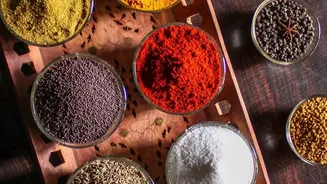
Known as 'jeera', cumin is the warm, earthy soul of countless Indian dishes, from simple dals to complex biryanys. It provides a foundational flavour upon which other spices are layered. The magic of cumin lies in understanding its two primary forms:
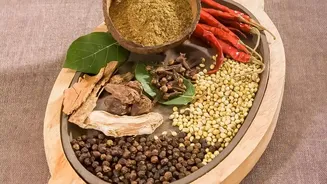
whole seeds and ground powder. Whole seeds are often the first spice to hit hot oil in a technique called 'tadka', infusing the entire dish with their aroma from the start. Ground cumin, especially when freshly roasted and ground, offers a deeper, more uniform flavour that melds seamlessly into gravies, marinades, and spice blends like garam masala. Using both in a single dish—whole seeds at the beginning and powder in the middle—is a classic technique for building remarkable depth.
Tips for Perfect Cumin Flavour
To truly master cumin, timing is everything. When using whole seeds for a tadka, ensure the oil or ghee is hot enough for them to sizzle and crackle for about 15-30 seconds. This 'blooming' process unlocks their essential oils. Be careful not to burn them, which results in a bitter taste; they should be fragrant and a shade darker. When using ground cumin, add it mid-way through cooking, typically after sautéing onions but before adding wet ingredients like tomatoes or yogurt. This allows the powder to cook and lose its raw edge. For a final touch, a sprinkle of roasted cumin powder over raita, chaat, or even a simple salad provides an instant, aromatic lift.
Tamarind: The Soulful Tang
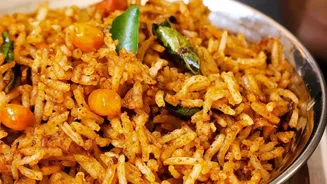
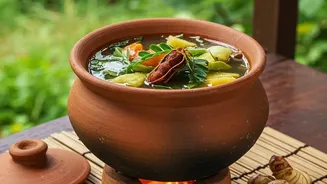
Tamarind, or 'imli', is a tropical fruit that delivers a distinctive sweet-and-sour punch essential to many regional Indian cuisines. Available as a pressed block, whole pods, or a ready-to-use paste, its primary role is to cut through richness and add a bright, tangy dimension. The flavour is often described as a mix of 'khatta' (sour) and 'meetha' (sweet). This balancing act is crucial in dishes like sambar, rasam, and countless chutneys. To use a block, soak a small piece in hot water, mash it with your fingers, and strain the resulting liquid to get a flavourful pulp free of seeds and fibres. Tamarind paste is a convenient shortcut, offering concentrated flavour right out of the jar.
Using Tamarind Without Overpowering
The golden rule with tamarind is to start small. Its potent flavour can easily dominate a dish, so it's better to add a little, taste, and then adjust. If you find your dish is too sour, balance it with a sweetener like jaggery or sugar, which is a classic pairing that creates a more rounded, complex flavour. For the best effect, stir tamarind paste or pulp in towards the end of the cooking process, as prolonged cooking can diminish its bright notes. Beyond curries, tamarind is a fantastic meat tenderiser, making it a brilliant ingredient for marinades where its acidity helps break down tougher cuts.
Chutney: More Than a Condiment
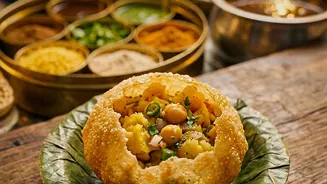
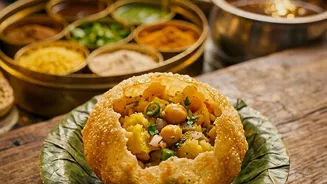
In India, chutney is not just a side dish; it's an integral part of the meal, designed to enhance, balance, and complete the dining experience. The word itself derives from the Hindi 'chatna', meaning 'to lick'. Chutneys are incredibly diverse, ranging from fresh, herb-based purées like mint-coriander to slow-cooked, preserve-like sauces such as sweet and tangy tamarind chutney. Originally conceived in ancient Ayurveda as digestive aids, they evolved to become complex flavour enhancers. A well-made chutney can elevate anything from a simple samosa to an elaborate feast, providing a burst of sweet, sour, spicy, or pungent notes.
Elevating Your Chutney Game
The secret to a show-stopping chutney is balance. For a classic sweet and sour tamarind chutney, simmering tamarind pulp with jaggery is key to mellowing the tartness. The addition of spices like roasted cumin powder, ginger powder, and a pinch of black salt ('kala namak') adds layers of warmth and complexity. Don't be afraid to innovate. For a refreshing twist, add fresh mint to a tamarind base. For a richer flavour, blend in soaked dates. When making any chutney, taste as you go, adjusting the sweet, sour, and salt levels until you achieve a perfect harmony. Remember, a great chutney can be the single element that makes your meal truly memorable.