


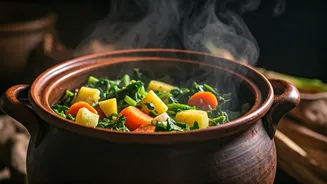


A Return to Generational Wisdom
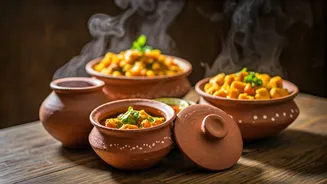
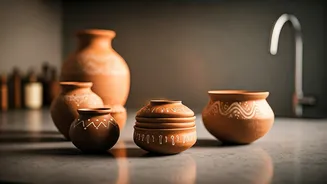
Once a staple in every Indian household, clay pot cooking was largely replaced by the convenience of stainless steel and non-stick cookware. [9] For decades, the *mitti ki handi* was relegated to rural areas or became a nostalgic memory. [9] Now, a growing
consciousness around health, sustainability, and authentic flavour is fuelling its resurgence. [9, 12] This trend is visible everywhere, from celebrity chef kitchens to urban households, driven by a desire for mindful, chemical-free cooking. [10, 16] People are looking past modern convenience and taking inspiration from how their grandparents cooked, recognising the inherent wisdom in these traditional vessels. [10]
The Science Behind the Slow Simmer
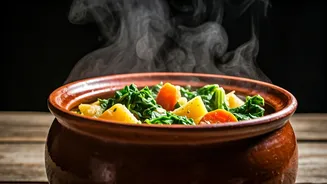
The magic of earthen pots lies in their unique physical properties. Made from natural clay, these pots are porous, allowing heat and moisture to circulate slowly and evenly throughout the vessel. [2, 12] This gentle, uniform cooking process prevents food from burning and helps retain nutrients that are often lost in high-heat metal pans. [6, 19] Furthermore, clay is naturally alkaline. When it interacts with the acidity in foods like tomatoes, it neutralises the pH balance, making the meal easier to digest and gentler on the stomach. [2, 5, 10] This slow cooking method also requires significantly less oil, making dishes naturally lower in fat. [3, 8, 19]
An Unmistakable Earthy Flavour
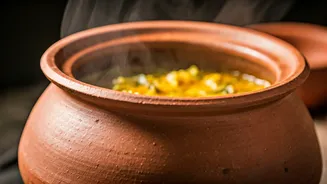
Beyond the health benefits, the most celebrated feature of clay pot cooking is the taste it imparts. The porous nature of the clay allows the pot to breathe, locking in the natural aromas of the ingredients while infusing the dish with a subtle, earthy flavour that is impossible to replicate in metal cookware. [6, 19] This is why dishes like biryani, fish curry, and dal, when prepared in a *handi*, have a richer, more complex taste profile. [24, 27] The slow maturation of spices and juices creates a depth of flavour that speaks of tradition and care, a hallmark of cooking styles like *dum pukht*, which traditionally uses sealed clay pots. [29]
A Sustainable and Mindful Choice
The comeback of earthenware is also part of a larger movement towards sustainable living. [9] Unlike mass-produced plastic or coated pans that can release chemicals and have a limited lifespan, clay pots are made from a natural, abundant resource. [4, 6] They are biodegradable and can return to the earth without causing pollution. [5, 21] Choosing to cook in earthenware often means supporting local artisans who have preserved this craft for generations. [25] This shift represents a move away from a disposable culture towards investing in durable, eco-friendly kitchen tools that are kind to both our bodies and the planet. [4, 5]
Getting Started with Your First Clay Pot
Adopting clay pot cooking requires a little know-how. It's crucial to season a new, unglazed pot before its first use to prevent it from cracking and to remove any raw clay taste. [13, 17] The process typically involves soaking the pot in water overnight, sometimes followed by a rub-down with oil or treating it with starchy water from washed rice. [3, 17] When cooking, always start on a low flame and increase the heat gradually, as sudden temperature changes can damage the pot. [13, 20] For cleaning, avoid harsh soaps and detergents, which can get absorbed into the porous clay. Instead, use hot water, a stiff brush, and natural abrasives like baking soda or rock salt for stubborn stains. [3]